
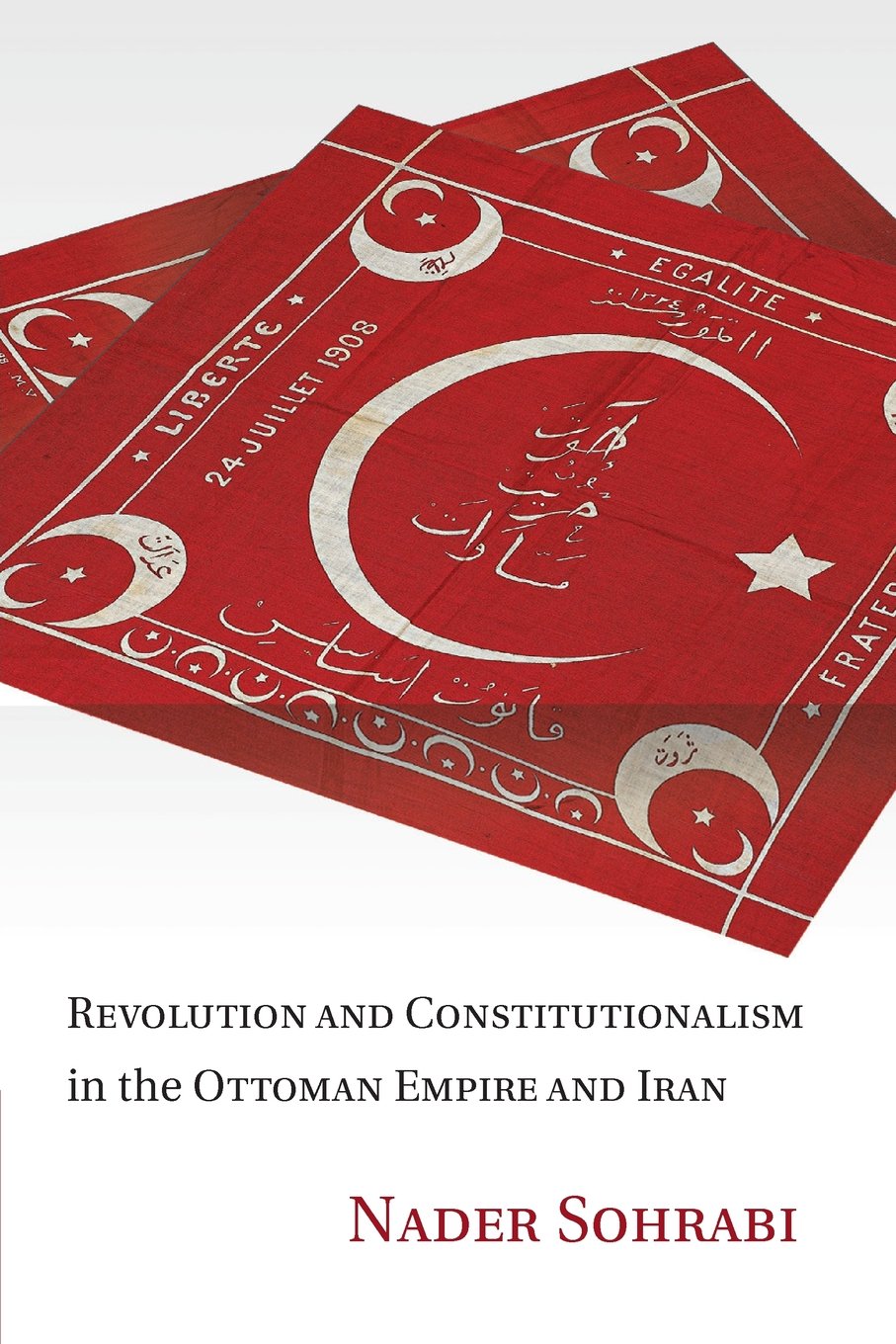
Title
Revolution and Constitutionalism in the Ottoman Empire and Iran,Used
Sold by Ergodebooks, an authorized reseller.
Returns accepted within 30 days | support@ergodebooks.com
Shipping Information
- Free Standard Shipping — United States only
- Processing Time: 3–5 business days
- Estimated Delivery: 6–10 business days after dispatch
- Double-boxed, fully insured & discreetly packaged
- Tracking number sent via email once dispatched
Returns & Refund
Returns accepted within 30 days of delivery.
Damaged or Defective Item
Free return shipping + replacement or full refund
Wrong Item Received
Free return shipping + replacement or full refund
Change of Mind
Return shipping at customer's expense · 25% restocking fee applies
Payment Option

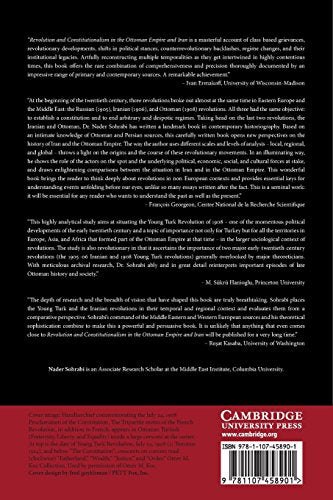
As a wave of democratic social movements, under the influence of velvet revolutions, is sweeping the Middle East, this book calls attention to an earlier wave that swept the region a century ago. In his book on constitutional revolutions in the Ottoman Empire and Iran, Nader Sohrabi considers global diffusion of institutions and ideas, their regional and local networking, and the longterm consequences for adaptation to local exigencies. There are lessons to be learned here. The revolutions, despite the differing social structures of the societies in which they happened, shared the same objectives and demands. Furthermore, the suddenness and simultaneity of their appearance point to a commonality that transcended the localities. Arguing that revolutions are timebound phenomena whose forms follow global models in vogue at particular historical junctures, the book challenges the ahistorical and purely local understanding of them. Furthermore, it provides a strong case that macrostructural preconditions alone cannot explain the occurrence of revolutions; rather, global waves, intervention of agency, and additional contingent events work together to bring them about in competition with other possible outcomes. Beyond concern for how and why revolutions happen, the book offers a comparative account of the process of institutionalizing constitutionalism in two settings. The comparison highlights many similarities in the powers struggles, including the paradox inherent in the constitutional revolutions. Comparison also affords exploration of a key difference: the reason for greater resilience of democratic institutions in the Ottoman Empire and modern Turkey in contrast to Iran. In making his case, Sohrabi draws on a wide array of archival and primary sources that afford a minute look at the revolutions as they unfold.
⚠️ WARNING (California Proposition 65):
This product may contain chemicals known to the State of California to cause cancer, birth defects, or other reproductive harm.
For more information, please visit www.P65Warnings.ca.gov.