
Title
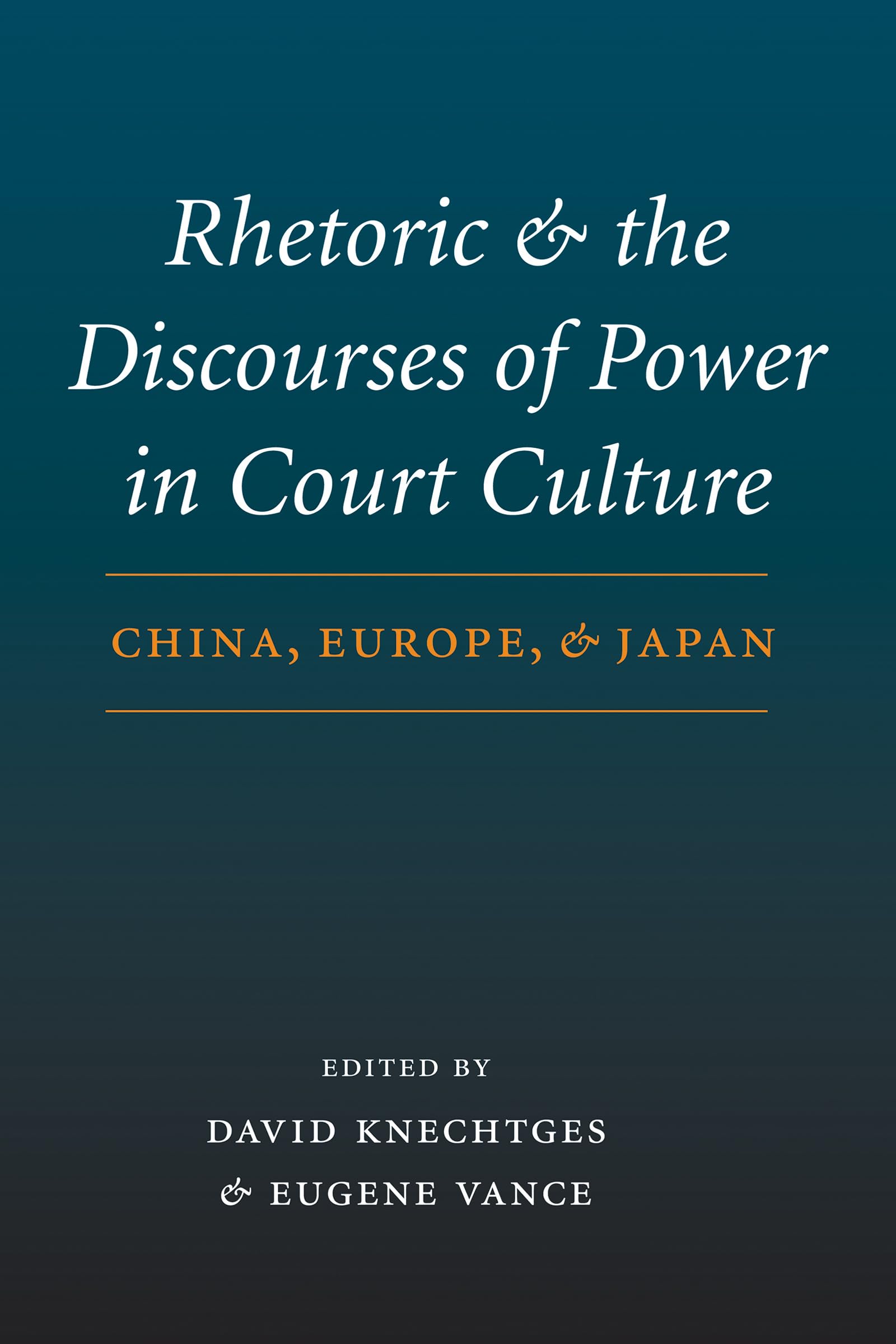
Rhetoric and the Discourses of Power in Court Culture: China, Europe, and Japan,Used
Sold by Ergodebooks, an authorized reseller.
Returns accepted within 30 days | support@ergodebooks.com
Shipping Information
- Free Standard Shipping — United States only
- Processing Time: 3–5 business days
- Estimated Delivery: 6–10 business days after dispatch
- Double-boxed, fully insured & discreetly packaged
- Tracking number sent via email once dispatched
Returns & Refund
Returns accepted within 30 days of delivery.
Damaged or Defective Item
Free return shipping + replacement or full refund
Wrong Item Received
Free return shipping + replacement or full refund
Change of Mind
Return shipping at customer's expense · 25% restocking fee applies
Payment Option

Key imperial and royal courtsin Han, Tang, and Song dynasty China; medieval and renaissance Europe; and Heian and Muromachi Japanare examined in this comparative and interdisciplinary volume as loci of power and as entities that establish, influence, or counter the norms of a larger society. Contributions by twelve scholars are organized into sections on the rhetoric of persuasion, taste, communication, gender, and natural nobility. Writing from the perspectives of literature, history, and philosophy, the authors examine the use and purpose of rhetoric in their respective areas.In Rhetoric of Persuasion, we see that in both the thirdcentury court of the last Han emperor and the fourteenthcentury court of Edward II, rhetoric served to justify the deposition of a ruler and the establishment of a new regime. Rhetoric of Taste examines the courts influence on aesthetic values in China and Japan, specifically literary tastes in ninthcentury China, the melding of literary and historical texts into a sort of national history in fifteenthcentury Japan, and the embrace of literati painting innovations in twelfthcentury China during a time when the literati themselves were out of favor. Rhetoric of Communication considers official communications to the throne in thirdcentury China, the importance of secret communications in Charlemagnes court, and the implications of the use of classical Chinese in the Japanese court during the eighth and ninth centuries. Rhetoric of Gender offers the biography of a former Han emperors favorite consort and studies the metaphorical possibilities of Tang palace plaints. Rhetoric of Natural Nobility focuses on Dantes efforts to confirm his nobility of soul as a poet, surmounting his nonnoble ancestry, and the development of the texts that supported the political ideologies of the fifteenthcentury Burgundian dukes Philip the Good and Charles the Bold.
⚠️ WARNING (California Proposition 65):
This product may contain chemicals known to the State of California to cause cancer, birth defects, or other reproductive harm.
For more information, please visit www.P65Warnings.ca.gov.