
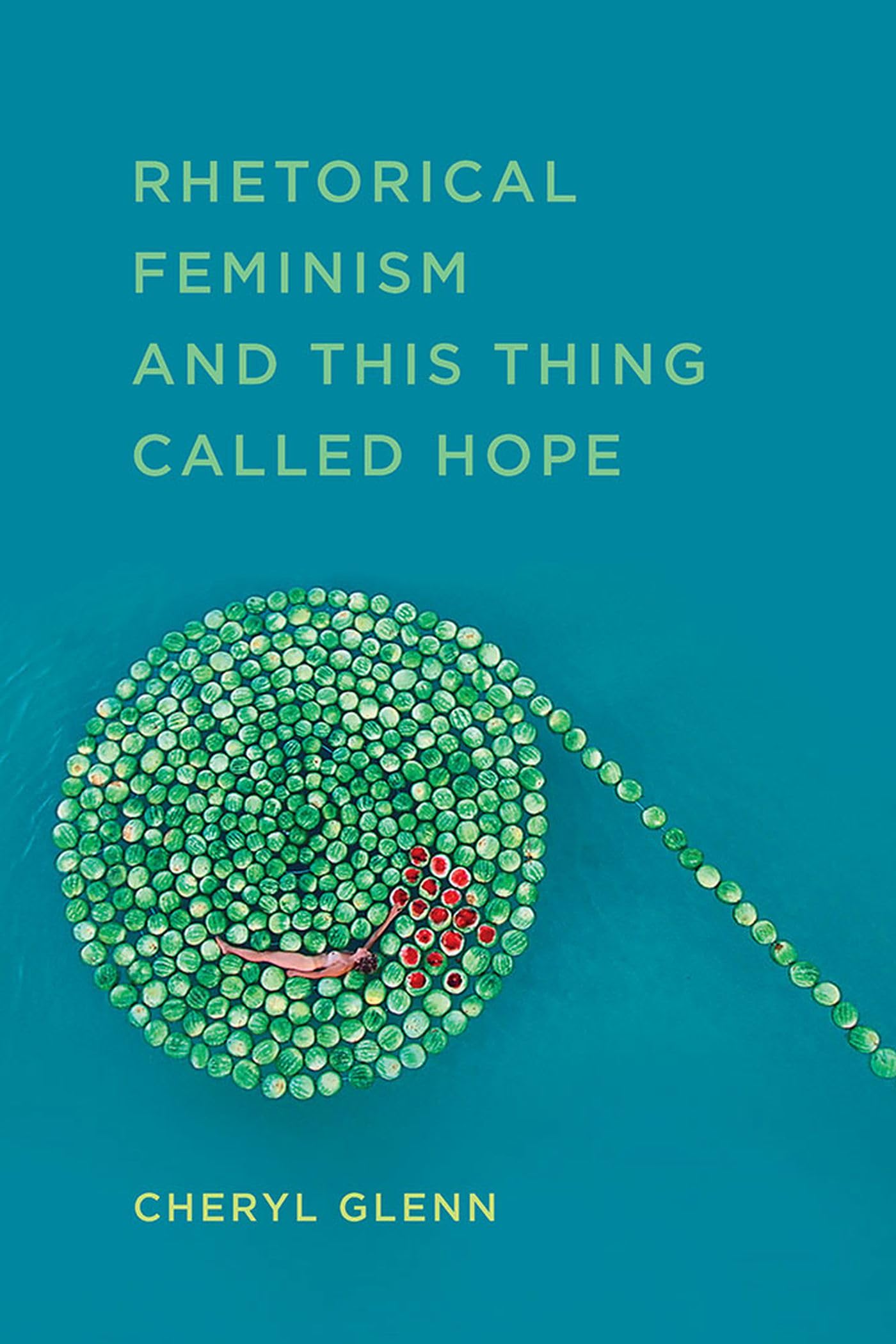
Title
Rhetorical Feminism And This Thing Called Hope (Studies In Rhetorics And Feminisms),Used
Sold by Ergodebooks, an authorized reseller.
Returns accepted within 30 days | support@ergodebooks.com
Shipping Information
- Free Standard Shipping — United States only
- Processing Time: 3–5 business days
- Estimated Delivery: 6–10 business days after dispatch
- Double-boxed, fully insured & discreetly packaged
- Tracking number sent via email once dispatched
Returns & Refund
Returns accepted within 30 days of delivery.
Damaged or Defective Item
Free return shipping + replacement or full refund
Wrong Item Received
Free return shipping + replacement or full refund
Change of Mind
Return shipping at customer's expense · 25% restocking fee applies
Payment Option

Rhetoric and feminism have yet to coalesce into a singular recognizable field. In this book, author Cheryl Glenn advances the feminist rhetorical project by introducing a new theory of rhetorical feminism. Clarifying how feminist rhetorical practices have given rise to this innovative approach, Rhetorical Feminism and This Thing Called Hope equips the field with tools for a more expansive and productive dialogue.Glenns rhetorical feminism offers an alternative to hegemonic rhetorical histories, theories, and practices articulated in Western culture. This alternative theory engages, addresses, and supports feminist rhetorical practices that include openness, authentic dialogue and deliberation, interrogation of the status quo, collaboration, respect, and progress. Rhetorical feminists establish greater representation and inclusivity of everyday rhetors, disidentification with traditional rhetorical practices, and greater appreciation for alternative means of delivery, including silence and listening. These tenets are supported by a cogent reconceptualization of the traditional rhetorical appeals, situating logos alongside dialogue and understanding, ethos alongside experience, and pathos alongside valued emotion.Threaded throughout the book are discussions of the key features of rhetorical feminism that can be used to negotiate crossboundary mis/understandings, inform rhetorical theories, advance feminist rhetorical research methods and methodologies, and energize feminist practices within the university. Glenn discusses the power of rhetorical feminism when applied in classrooms, the specific ways it inspires and sustains mentoring, and the ways it supports administrators, especially directors of writing programs. Thus, the innovative theory of rhetorical feminisma theory rich with tactics and potentially broad applicationsopens up a new field of research, theory, and practice at the intersection of rhetoric and feminism.
⚠️ WARNING (California Proposition 65):
This product may contain chemicals known to the State of California to cause cancer, birth defects, or other reproductive harm.
For more information, please visit www.P65Warnings.ca.gov.