
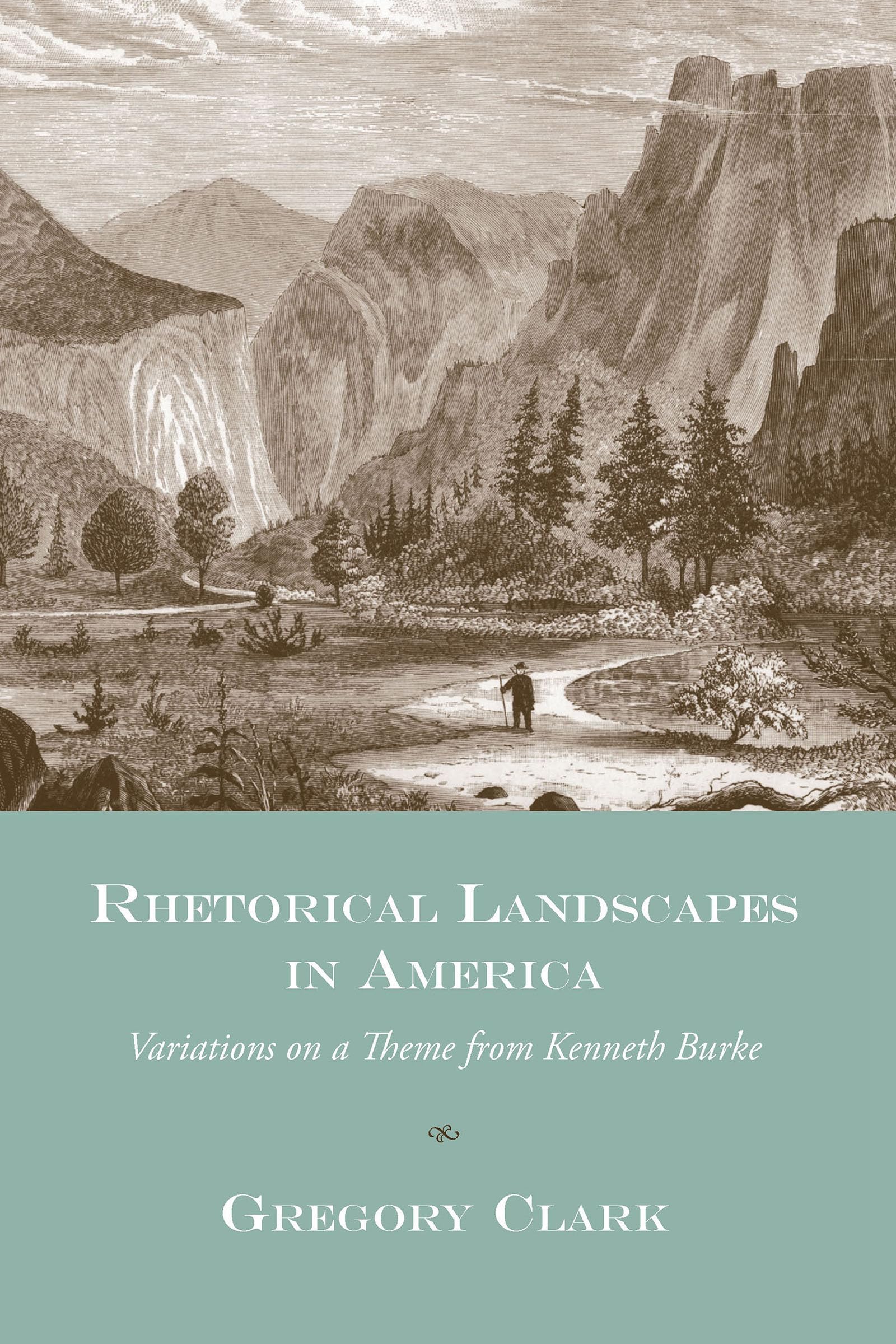
Title
Rhetorical Landscapes in America: Variations on a Theme from Kenneth Burke (Studies in Rhetoric/Communication),New
Sold by Ergodebooks, an authorized reseller.
Returns accepted within 30 days | support@ergodebooks.com
Shipping Information
- Free Standard Shipping — United States only
- Processing Time: 3–5 business days
- Estimated Delivery: 6–10 business days after dispatch
- Double-boxed, fully insured & discreetly packaged
- Tracking number sent via email once dispatched
Returns & Refund
Returns accepted within 30 days of delivery.
Damaged or Defective Item
Free return shipping + replacement or full refund
Wrong Item Received
Free return shipping + replacement or full refund
Change of Mind
Return shipping at customer's expense · 25% restocking fee applies
Payment Option

A panoramic explanation of 'civic tourism' and the shaping of a national identityAt the same time a reading of Kenneth Burke and of tourist landscapes in America, Gregory Clark's new study explores the rhetorical power connected with American tourism. Looking specifically at a time when citizens of the United States first took to rail and then highway to become sightseers in their own country, Clark traces the rhetorical function of a wideranging set of tourist experiences. He explores how the symbolic experiences Americans share as tourists have helped residents of a vast and diverse nation adopt a national identity. In doing so he suggests that the rhetorical power of a national culture is wielded not only by public discourse but also by public experiences.Clark examines places in the American landscape that have facilitated such experiences, including New York City, Shaker villages, Yellowstone National Park, the Lincoln Highway, San Francisco's 1915 PanamaPacific International Exposition, and the Grand Canyon. He examines the rhetorical power of these sites to transform private individuals into public citizens, and he evaluates a national culture that teaches Americans to experience certain places as potent symbols of national community.Invoking Burke's concept of 'identification' to explain such rhetorical encounters, Clark considers Burke's lifelong study of symbolslinguistic and otherwiseand their place in the construction and transformation of individual identity. Clark turns to Burke's work to expand our awareness of the rhetorical resources that lead individuals within a community to adopt a collective identity, and he considers the implications of nineteenth and twentiethcentury tourism for both visual rhetoric and the rhetoric of display.
⚠️ WARNING (California Proposition 65):
This product may contain chemicals known to the State of California to cause cancer, birth defects, or other reproductive harm.
For more information, please visit www.P65Warnings.ca.gov.