If you have any questions, you are always welcome to contact us. We'll get back to you as soon as possible, withing 24 hours on weekdays.
Customer service
All questions about your order, return and delivery must be sent to our customer service team by e-mail at yourstore@yourdomain.com
Sale & Press
If you are interested in selling our products, need more information about our brand or wish to make a collaboration, please contact us at press@yourdomain.com
Help
If you have any questions, you are always welcome to contact us. We'll get back to you as soon as possible, withing 24 hours on weekdays.
Customer service
All questions about your order, return and delivery must be sent to our customer service team by e-mail at yourstore@yourdomain.com
Sale & Press
If you are interested in selling our products, need more information about our brand or wish to make a collaboration, please contact us at press@yourdomain.com
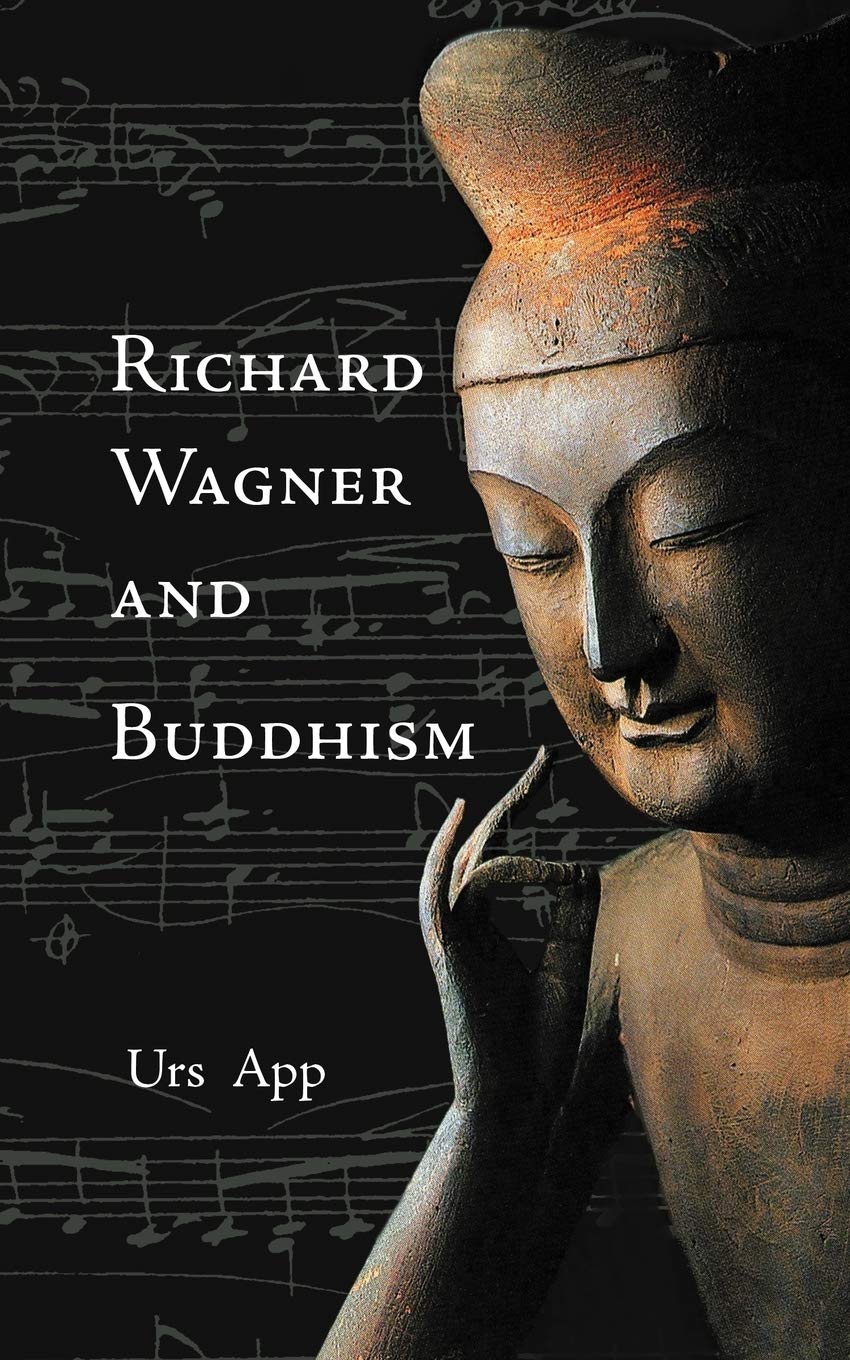
It is little known that Richard Wagner was among the very first Westerners to appreciate Buddhism and that he was the first major European artist to be inspired by this religion. In 1856, in the prime of his creativity, the 33yearold artist read his first book about Buddhism. Madly in love with Mathilde Wesendonck, a beautiful but happily married woman, he conceived two deeply connected opera projects: Tristan und Isolde which he went on to compose and stage, and Die Sieger (The Victors), an opera scenario based on an Indian Buddha legend translated from Sanskrit. These two projects mirrored Wagner's burning desire for the consummation of his love and the necessity of renunciation. This Buddhist opera project occupied Wagner's mind for decades until his death in 1883. Indeed, the composer's last words were about the Buddha figure of his scenario and his relationship with women. Urs App, the author of The Birth of Orientalism (University of Pennsylvania Press) and the world's foremost authority on the early Western reception of Buddhism, tells the story of Richard Wagner's creative encounter with Buddhism and explains the composer's last words.
⚠️ WARNING (California Proposition 65):
This product may contain chemicals known to the State of California to cause cancer,
birth defects, or other reproductive harm.
For MAP (Minimum Advertised Price) violations and Intellectual Property (IP) or Trademark concerns, please contact:
support@ergodebooks.com
⚠️ California Proposition 65 Warning: Some products sold on this website may expose you to chemicals known to the State of California to cause cancer, birth defects, or other reproductive harm. For more information, visit www.P65Warnings.ca.gov.