
Title
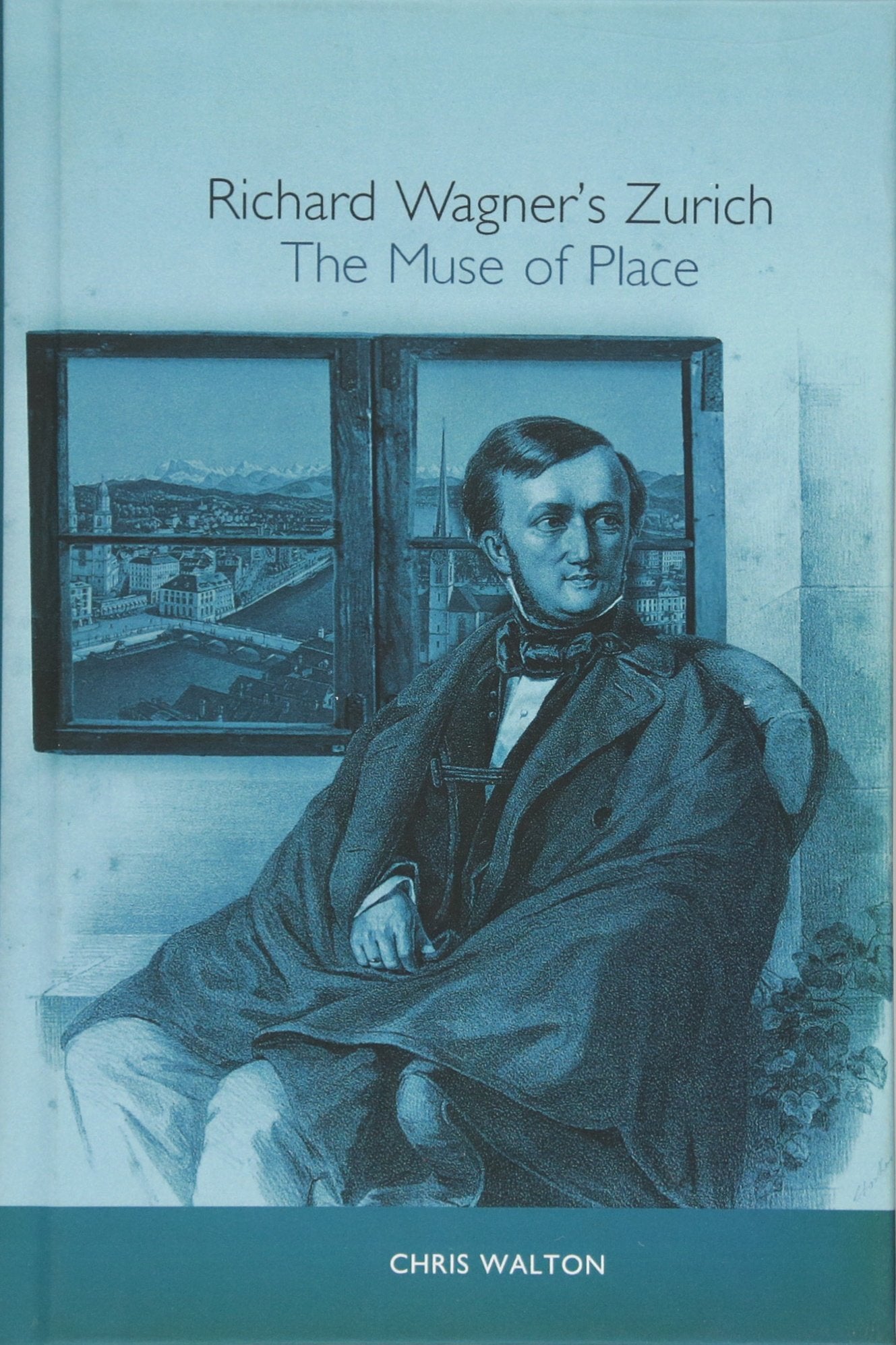
Richard Wagner's Zurich: The Muse of Place (Studies in German Literature Linguistics and Culture, 11),New
Sold by Ergodebooks, an authorized reseller.
Returns accepted within 30 days | support@ergodebooks.com
Shipping Information
- Free Standard Shipping — United States only
- Processing Time: 3–5 business days
- Estimated Delivery: 6–10 business days after dispatch
- Double-boxed, fully insured & discreetly packaged
- Tracking number sent via email once dispatched
Returns & Refund
Returns accepted within 30 days of delivery.
Damaged or Defective Item
Free return shipping + replacement or full refund
Wrong Item Received
Free return shipping + replacement or full refund
Change of Mind
Return shipping at customer's expense · 25% restocking fee applies
Payment Option

An investigation of the considerable influence of Wagner's stay in Zurich from 1849 to 1858 a period often discounted by scholars on his career.When the people of Dresden rose up against their king in May 1849, Richard Wagner went from Royal Kapellmeister to republican revolutionary overnight. He gambled everything, but the rebellion failed, and he lost all. Now a wantedman in Germany, he fled to Zurich. Years later, he wrote that the city was 'devoid of any public art form' and full of 'simple people who knew nothing of my work as an artist.' But he lied: Zurich boasted arguably the world's greatest concentration of radical intellectuals and a vibrant music scene. Wagner was accepted with open arms. This book investigates Wagner's affect on the musical life of the city and the city's impact on him. Mathilde Wesendonck emerges not as Wagner's passive muse but as a selfassured woman who exploited gender expectations to her own benefit. In 1858, Wagner had to flee Zurich after again gambling everything this time on Mathilde and again losing.But it was in Zurich that Wagner wrote his major theoretical works; composed Das Rheingold, Die Walkre, and parts of Siegfried and Tristan und Isolde; first planned Parsifal; held the first festival of his music; and conceived of a theater to stage his own works. If Wagner had been free in 1849 to choose a city in which to seek heightened intellectual stimulation among the likeminded and the similarly gifted, he could have come to nomore perfect place.Chris Walton teaches music history at the Musikhochschule Basel in Switzerland. He is the recipient of the 2010 Max Geilinger Prize honoring exemplary contributions to the literary and cultural relationship between Switzerland and the Englishspeaking world.
⚠️ WARNING (California Proposition 65):
This product may contain chemicals known to the State of California to cause cancer, birth defects, or other reproductive harm.
For more information, please visit www.P65Warnings.ca.gov.