
Title
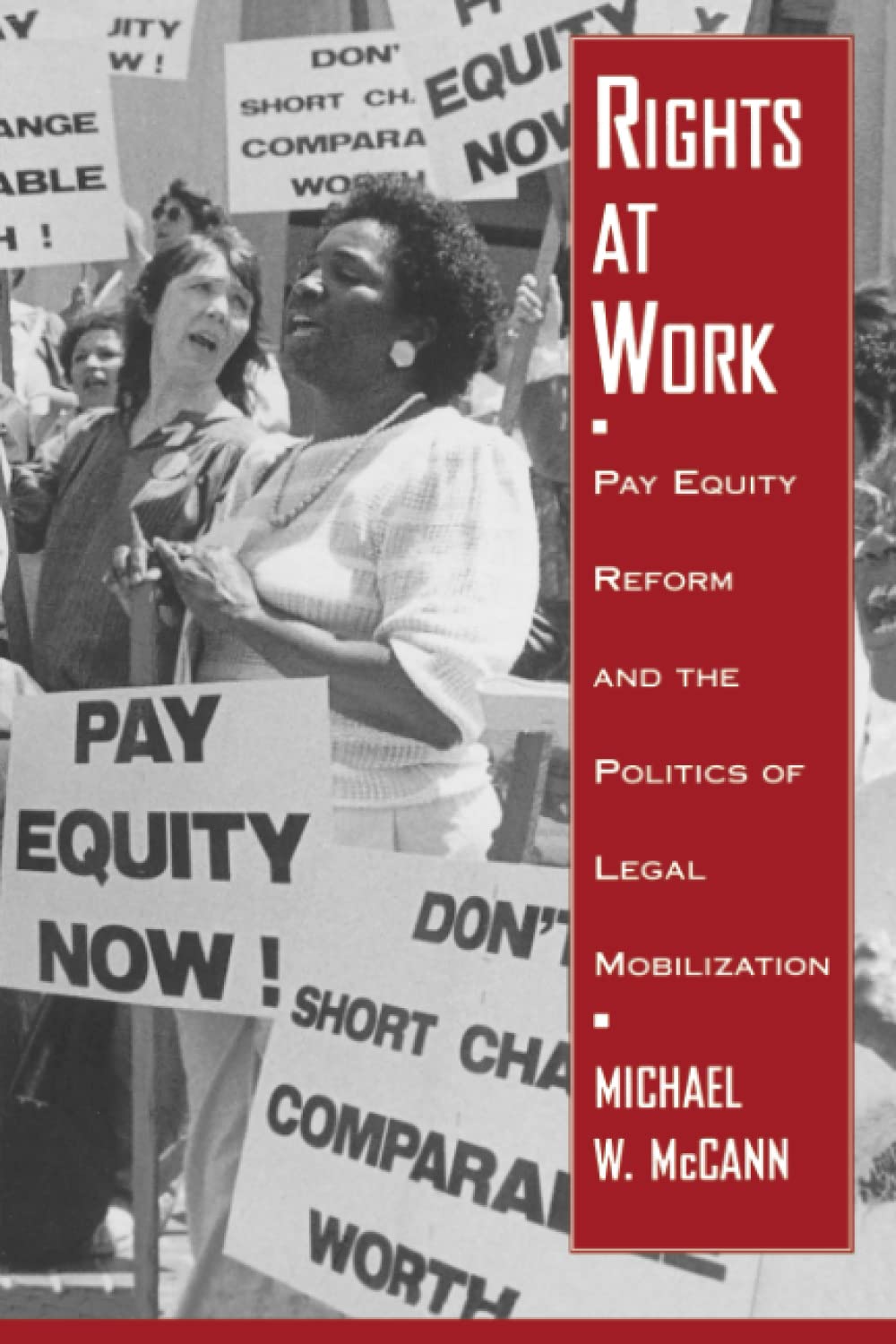
Rights At Work: Pay Equity Reform And The Politics Of Legal Mobilization (Chicago Series In Law And Society)
Sold by Ergodebooks, an authorized reseller.
Returns accepted within 30 days | support@ergodebooks.com
Shipping Information
- Free Standard Shipping — United States only
- Processing Time: 3–5 business days
- Estimated Delivery: 6–10 business days after dispatch
- Double-boxed, fully insured & discreetly packaged
- Tracking number sent via email once dispatched
Returns & Refund
Returns accepted within 30 days of delivery.
Damaged or Defective Item
Free return shipping + replacement or full refund
Wrong Item Received
Free return shipping + replacement or full refund
Change of Mind
Return shipping at customer's expense · 25% restocking fee applies
Payment Option

What Role Has Litigation Played In The Struggle For Equal Pay Between Women And Men? In Rights At Work, Michael W. Mccann Explains How Wage Discrimination Battles Have Raised Public Legal Consciousness And Helped Reform Activists Mobilize Working Women In The Pay Equity Movement Over The Past Two Decades.Rights At Work Explores The Political Strategies In More Than A Dozen Pay Equity Struggles Since The Late 1970S, Including Battles Of State Employees In Washington And Connecticut, As Well As City Employees In San Jose And Los Angeles. Relying On Interviews With Over 140 Union And Feminist Activists, Mccann Shows That, Even When The Courts Failed To Correct Wage Discrimination, Litigation And Other Forms Of Legal Advocacy Provided Reformers With The Legal Discoursethe Understanding Of Legal Rights And Their Constraintsfor Defining And Advancing Their Cause.Rights At Work Offers New Insight Into The Relation Between Law And Social Changethe Ways In Which Grass Roots Social Movements Work Within Legal Rights Traditions To Promote Progressive Reform.
⚠️ WARNING (California Proposition 65):
This product may contain chemicals known to the State of California to cause cancer, birth defects, or other reproductive harm.
For more information, please visit www.P65Warnings.ca.gov.
- Q: How many pages are in the book Rights at Work? A: There are three hundred seventy-two pages in Rights at Work. This extensive length allows for a thorough exploration of pay equity reform and legal mobilization.
- Q: What is the binding type of Rights at Work? A: The binding type is paperback. This makes it lightweight and easy to handle for readers who prefer portable options.
- Q: What are the dimensions of the book Rights at Work? A: The dimensions are six inches by nine inches by zero point nine one inches. This size is standard for paperback books, making it convenient for reading.
- Q: How do I read Rights at Work effectively? A: To read Rights at Work effectively, approach it with an interest in social justice and legal reform. Engaging with the interviews and case studies will enhance your understanding.
- Q: Is Rights at Work suitable for academic research? A: Yes, Rights at Work is suitable for academic research. It provides insights into legal mobilization and pay equity, making it a valuable resource for students and scholars.
- Q: What audience is Rights at Work intended for? A: Rights at Work is intended for readers interested in labor issues, social movements, and legal studies. It’s particularly relevant for activists and scholars in these fields.
- Q: How should I store Rights at Work to keep it in good condition? A: Store Rights at Work in a cool, dry place away from direct sunlight. This helps preserve the paperback binding and prevents damage to the pages.
- Q: Can I clean Rights at Work if it gets dirty? A: Yes, you can clean Rights at Work if it gets dirty. Use a soft, dry cloth to gently wipe the cover and avoid using water or cleaning products on the pages.
- Q: Is Rights at Work safe for all readers? A: Yes, Rights at Work is safe for all readers. However, it does discuss themes related to legal battles and social justice that may be more relevant to adult audiences.
- Q: What should I do if Rights at Work arrives damaged? A: If Rights at Work arrives damaged, contact the seller for a return or exchange. Most retailers have policies in place to address such issues promptly.
- Q: Does Rights at Work offer a comparison to other books on legal mobilization? A: Yes, Rights at Work offers a unique perspective compared to other books on legal mobilization. It focuses specifically on the pay equity movement, making it distinct in its approach.
- Q: Is Rights at Work a good choice for someone new to labor studies? A: Yes, Rights at Work is a good choice for someone new to labor studies. Its accessible writing and engaging case studies make complex topics easier to understand.
- Q: Can I find case studies in Rights at Work? A: Yes, Rights at Work includes multiple case studies. These case studies illustrate the real-world implications of legal mobilization in the pay equity movement.
- Q: Does Rights at Work provide insights into women's rights? A: Yes, Rights at Work provides valuable insights into women's rights, particularly regarding wage discrimination and the role of legal advocacy in promoting equity.
- Q: What if I have questions about the content of Rights at Work? A: If you have questions about the content of Rights at Work, consider discussing it with peers or seeking additional resources. Engaging in discussions can enhance your understanding.