If you have any questions, you are always welcome to contact us. We'll get back to you as soon as possible, withing 24 hours on weekdays.
Customer service
All questions about your order, return and delivery must be sent to our customer service team by e-mail at yourstore@yourdomain.com
Sale & Press
If you are interested in selling our products, need more information about our brand or wish to make a collaboration, please contact us at press@yourdomain.com
Help
If you have any questions, you are always welcome to contact us. We'll get back to you as soon as possible, withing 24 hours on weekdays.
Customer service
All questions about your order, return and delivery must be sent to our customer service team by e-mail at yourstore@yourdomain.com
Sale & Press
If you are interested in selling our products, need more information about our brand or wish to make a collaboration, please contact us at press@yourdomain.com
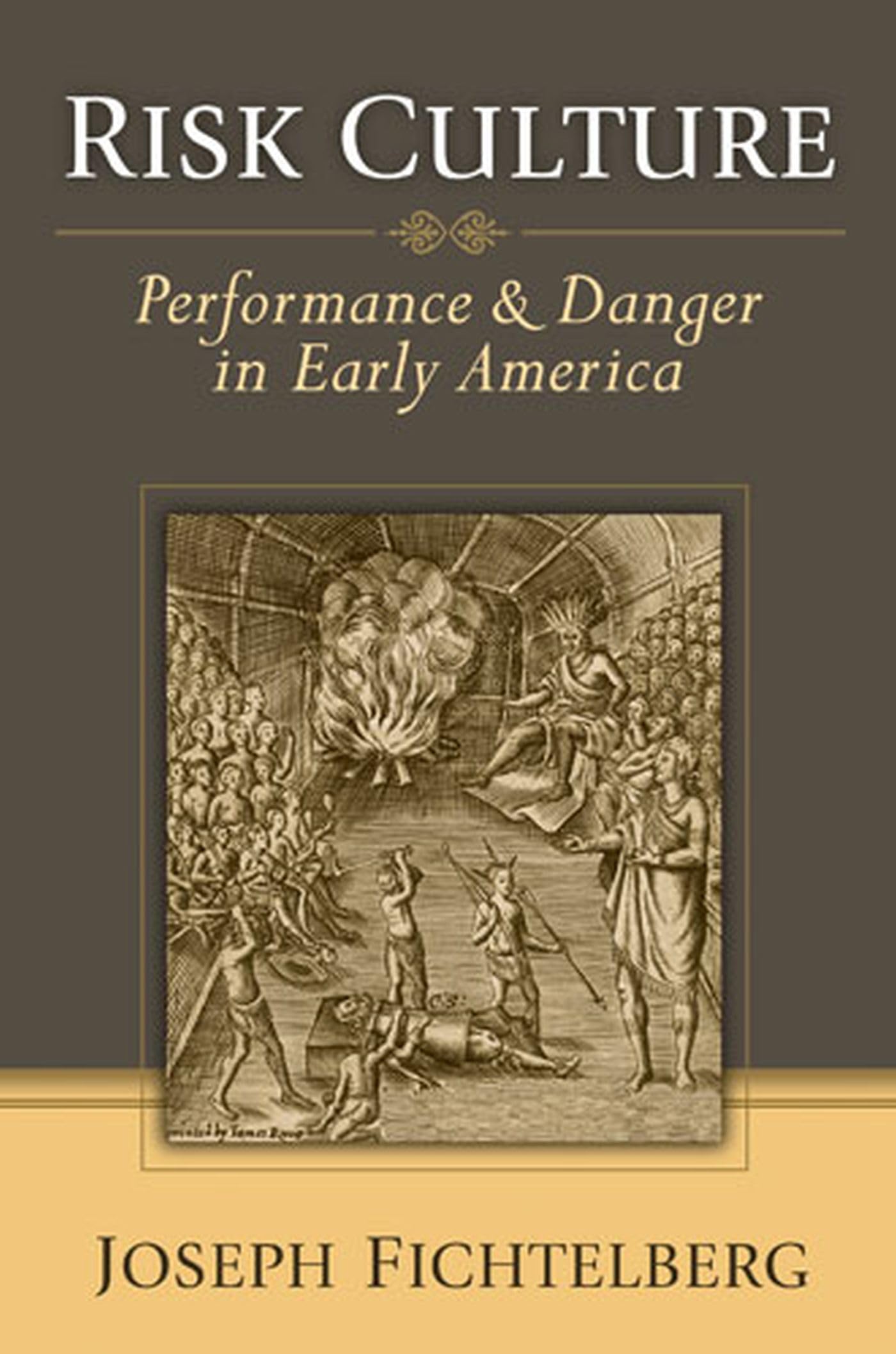
As a number of recent studies have shown, the north European commercial world made the precise calculation of risk a central concern of the intellectual project of exploration, trade, and colonization. The great merit of Fichtelberg's book is systematizing the imaged world of dangers, and charting the various kinds of ritual and discursive performances marshaled to deal with the pressure of the unspeakable in early America from the 17th into the early 19th century. The readings of texts are invariably careful, and the points made, persuasive.' David Shields, University of South Carolina Risk Culture is the first scholarly book to explore how strategies of performance shaped American responses to modernity. By examining a variety of early American authors and cultural figures, from John Smith and the Salem witches to Phillis Wheatley, Susanna Rowson, and Aaron Burr, Joseph Fichtelberg shows how early Americans created and resisted a dangerously liberating new world. The texts surveyed confront change through a variety of performances designed both to imagine and deter menaces ranging from Smith's hostile Indians, to Wheatley's experience of slavery, to Rowson's fear of exposure in the public sphere. Fichtelberg combines a variety of scholarly approaches, including anthropology, history, cultural studies, and literary criticism, to offer a unique synthesis of literary close reading and sociological theory in the service of cultural analysis. Joseph Fichtelberg is Professor of English and Chair of the English Department at Hofstra University.
⚠️ WARNING (California Proposition 65):
This product may contain chemicals known to the State of California to cause cancer,
birth defects, or other reproductive harm.
For MAP (Minimum Advertised Price) violations and Intellectual Property (IP) or Trademark concerns, please contact:
support@ergodebooks.com
⚠️ California Proposition 65 Warning: Some products sold on this website may expose you to chemicals known to the State of California to cause cancer, birth defects, or other reproductive harm. For more information, visit www.P65Warnings.ca.gov.