
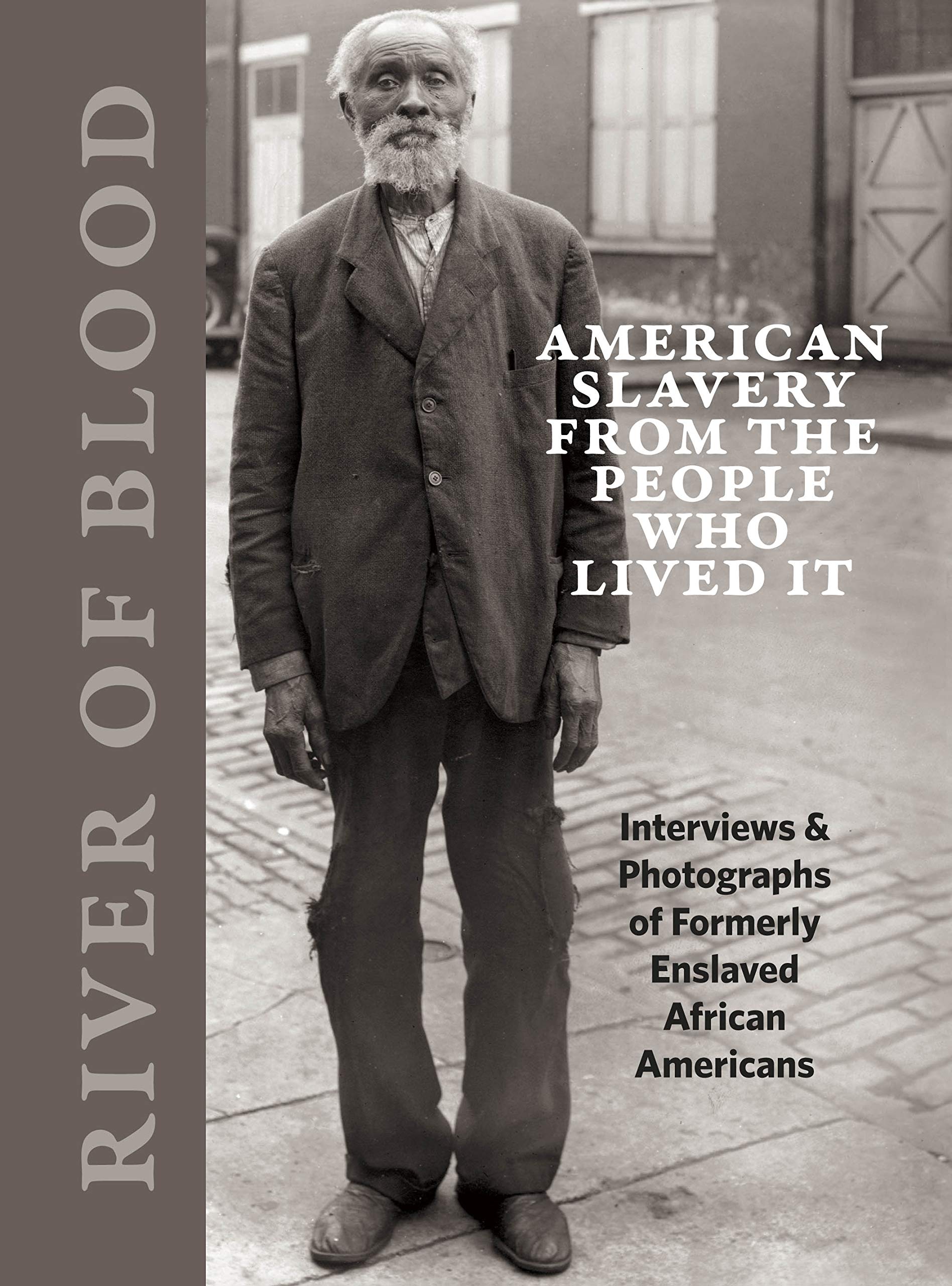
Title
River Of Blood: American Slavery From The People Who Lived It: Interviews & Photographs Of Formerly Enslaved African Americans
Sold by Ergodebooks, an authorized reseller.
Returns accepted within 30 days | support@ergodebooks.com
Shipping Information
- Free Standard Shipping — United States only
- Processing Time: 3–5 business days
- Estimated Delivery: 6–10 business days after dispatch
- Double-boxed, fully insured & discreetly packaged
- Tracking number sent via email once dispatched
Returns & Refund
Returns accepted within 30 days of delivery.
Damaged or Defective Item
Free return shipping + replacement or full refund
Wrong Item Received
Free return shipping + replacement or full refund
Change of Mind
Return shipping at customer's expense · 25% restocking fee applies
Payment Option

In The Late 1930S, The Federal Government Embarked On An Unusual Project. As A Part Of The Works Progress Administration'S Efforts To Give Jobs To Unemployed Americans, Government Workers Tracked Down 3,000 Men And Women Who Had Been Enslaved Before And During The Civil War. The Workers Asked Them Probing Questions About Slave Life. What Did They Think About Their Slaveholders? What Songs Did They Sing? What Games Did They Play? Did They Always Think About Escaping?The Result Was A Remarkable Compilation Of Interviews Known As The Slave Narratives.This Book Highlights Those Narrativescondensing Tens Of Thousands Of Pages Into Short Excerpts From About 100 Former Slaves And Pairs Their Accounts With Their Photographs, Taken By The Workers Sent To Record Their Stories.The Book Documents What Slaves Saw And Remembered, And Explains How They Lived. It Is An Eyeopening Account That Details What It Was Like To Be A Slavefrom Everyday Life To The Overwhelming Fear They Harbored For Their Lives And For The Lives Of Their Family And Loved Ones. Their Stories Are Clear And Stirring.For Some Reason, The 700 Photographs Taken For The Slave Narrative Collection Have Been Largely Overlooked. The Negatives Are Missing And The Paperclip Impressions Used To Attach The Small Prints To The Typewritten Interviews Indicates That The Photos Were Never Valued Or Treated As Art.By Pairing 100 Narratives And Photographs, The Material Takes On A New Life.Every Word From Every Former Slave Comes Alive When The Reader Can See Exactly Who Told These Accounts. The Photographswith The Storiesare Essential In Helping Us Understand The Humanity Behind These Stories. The Words Take On New Meeting Paired With The Photographs. When You Hear Bill Homer Explain That He Was Given As A Wedding Present At The Age Of Ten In 1860 And Look At His Photograph As A Proud Old Man, The True Meaning Of Slavery Starts To Sinks In.This Book Is Designed So That All Americans Will Better Understand This Issue That Plays Such An Important Role In Present Day Society. The Words And The Photographs Are Profound.
⚠️ WARNING (California Proposition 65):
This product may contain chemicals known to the State of California to cause cancer, birth defects, or other reproductive harm.
For more information, please visit www.P65Warnings.ca.gov.
- Q: How many pages does this book have? A: This book contains two hundred forty pages. It provides a comprehensive look into the narratives of formerly enslaved African Americans.
- Q: What is the binding type of this book? A: This book is a hardcover edition. The durable binding enhances its longevity for readers.
- Q: What are the dimensions of this book? A: The book measures seven point three inches in length, one inch in width, and nine point five inches in height. These dimensions make it easy to handle and store.
- Q: Who is the author of this book? A: The author of this book is Richard Cahan. He compiles crucial narratives to shed light on American slavery through personal stories.
- Q: What category does this book fall under? A: This book is categorized under Essays & Correspondence. It provides a unique perspective on historical events through personal narratives.
- Q: Is this book suitable for children? A: This book is not specifically designed for children. It contains mature themes related to American slavery that may be better suited for older readers.
- Q: How do I read this book? A: You can read this book by simply opening it and following the narratives. It presents interviews and photographs, making it a visual and textual experience.
- Q: Is there an age recommendation for this book? A: This book is recommended for readers aged thirteen and above. The themes discussed may require a mature understanding of historical contexts.
- Q: Can I use this book for academic purposes? A: Yes, this book can be used for academic purposes. It offers valuable insights into the history of American slavery and can serve as a reference.
- Q: How should I store this book? A: You should store this book in a cool, dry place. Keeping it upright on a shelf will help maintain its shape and condition.
- Q: What is the best way to care for this book? A: To care for this book, avoid exposing it to direct sunlight and moisture. Clean it gently with a soft, dry cloth if necessary.
- Q: Is there a warranty for this book? A: Books typically do not come with warranties. However, if the book arrives damaged, you should contact the retailer for assistance.
- Q: What should I do if my book arrives damaged? A: If your book arrives damaged, you should contact customer support for a return or replacement. Most retailers have policies in place for such situations.
- Q: How does this book compare to other historical narratives? A: This book offers a unique perspective by combining personal narratives with photographs. It stands out for its firsthand accounts from formerly enslaved individuals.
- Q: Is this book a good choice for someone interested in American history? A: Yes, this book is an excellent choice for those interested in American history. It provides intimate insights into the lives of enslaved individuals.
- Q: Are there any photographs included in this book? A: Yes, this book includes photographs of the interviewees. These images complement the narratives, providing a visual context to their stories.