
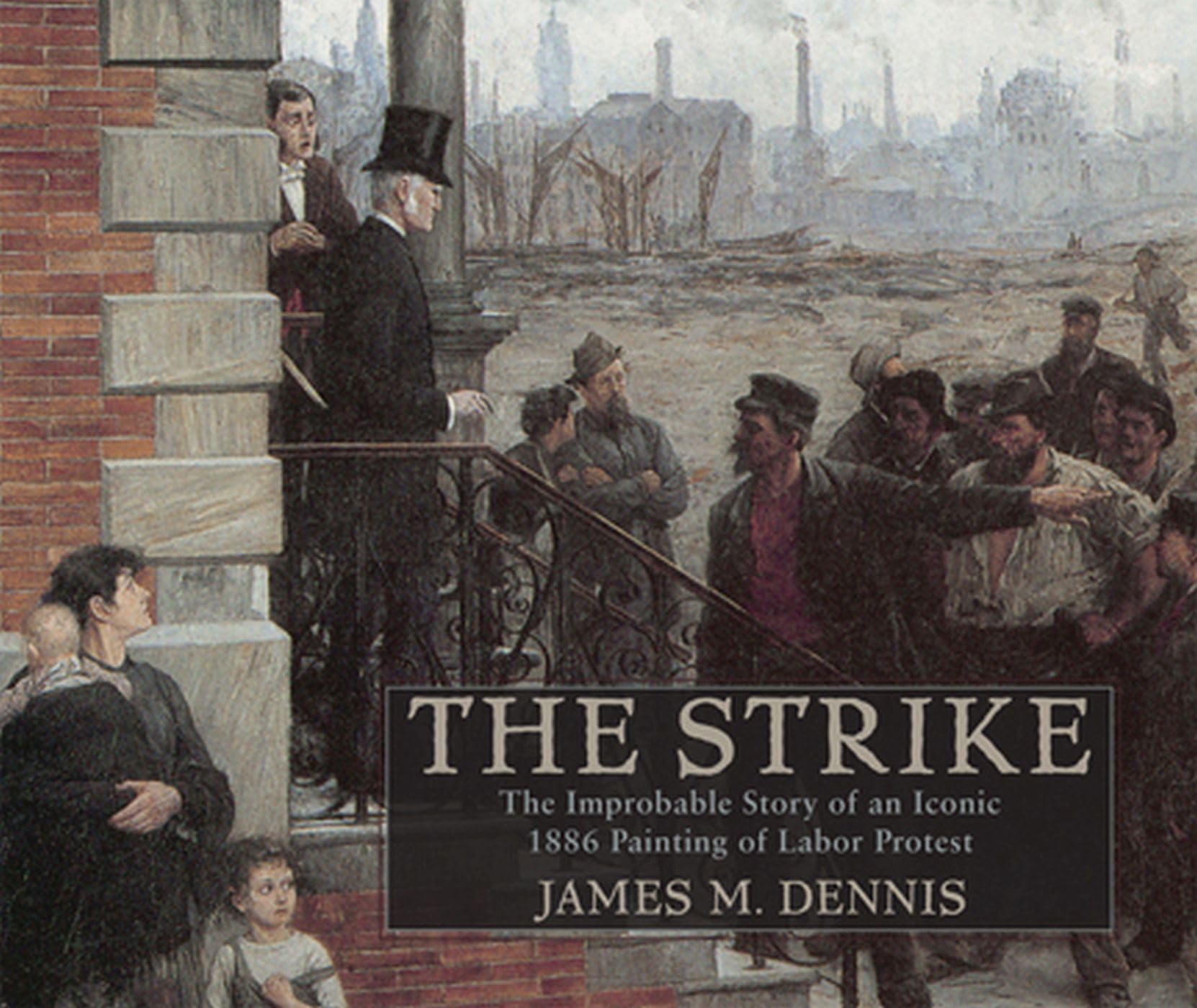
Title
Robert Koehlers The Strike: The Improbable Story of an Iconic 1886 Painting of Labor Protest (Studies in American Thought and Cu,Used
Sold by Ergodebooks, an authorized reseller.
Returns accepted within 30 days | support@ergodebooks.com
Shipping Information
- Free Standard Shipping — United States only
- Processing Time: 3–5 business days
- Estimated Delivery: 6–10 business days after dispatch
- Double-boxed, fully insured & discreetly packaged
- Tracking number sent via email once dispatched
Returns & Refund
Returns accepted within 30 days of delivery.
Damaged or Defective Item
Free return shipping + replacement or full refund
Wrong Item Received
Free return shipping + replacement or full refund
Change of Mind
Return shipping at customer's expense · 25% restocking fee applies
Payment Option

Every work of art has a story behind it. In 1886 the German American artist Robert Koehler painted a dramatic wideangle depiction of an imagined confrontation between factory workers and their employer. He called this oil painting The Strike. It has had a long and tumultuous international history as a symbol of class struggle and the cause of workers rights. First exhibited just days before the tragic Chicago Haymarket riot, The Strike became an inspiration for the labor movement. In the midst of the campaign for an eighthour workday, it gained international attention at expositions in Paris, Munich, and the 1893 Chicago Worlds Fair. Though the painting fell into obscurity for decades in the early twentieth century, The Strike lived on in woodengraved reproductions in labor publications. Its purchase, restoration, and exhibition by New Left activist Lee Baxandall in the early 1970s launched it to international fame once more, and collectors and galleries around the world scrambled to acquire it. It is now housed in the Deutsches Historisches Museum in Berlin, Germany.Art historian James M. Dennis has crafted a compelling biography of Koehlers painting: its exhibitions, acclaim, neglect, and rediscovery. He introduces its Germanborn creator and politically diverse audiences and traces the paintings acceptance and rejection through the years, exploring how class and sociopolitical movements affected its reception. Dennis considers the significance of key figures in the painting, such as the woman asserting her presence in the center of action. He compellingly explains why The Strike has earned its identity as the iconic painting of the industrial labor movement.
⚠️ WARNING (California Proposition 65):
This product may contain chemicals known to the State of California to cause cancer, birth defects, or other reproductive harm.
For more information, please visit www.P65Warnings.ca.gov.