
Title
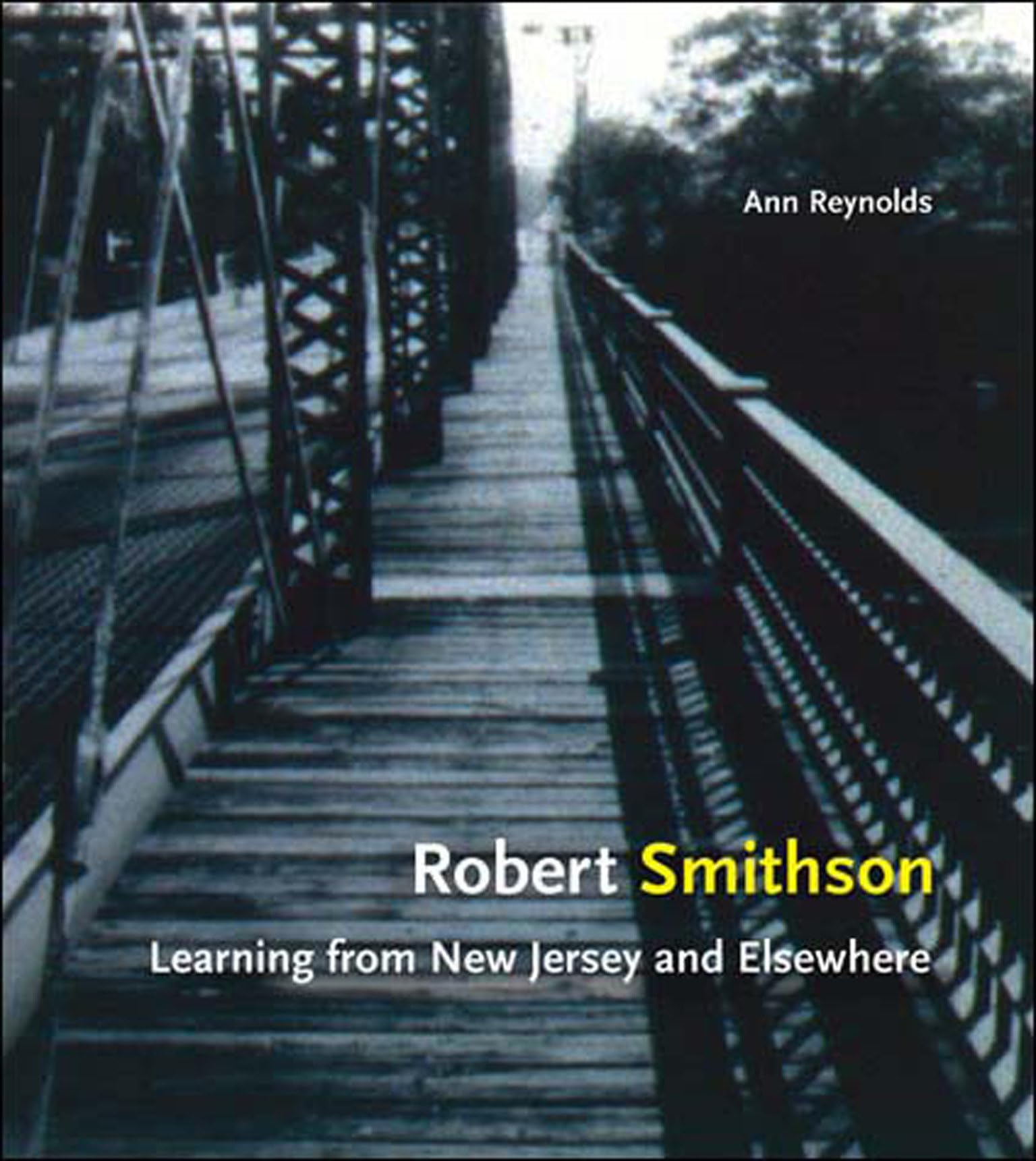
Robert Smithson: Learning from New Jersey and Elsewhere,Used
Sold by Ergodebooks, an authorized reseller.
Returns accepted within 30 days | support@ergodebooks.com
Shipping Information
- Free Standard Shipping — United States only
- Processing Time: 3–5 business days
- Estimated Delivery: 6–10 business days after dispatch
- Double-boxed, fully insured & discreetly packaged
- Tracking number sent via email once dispatched
Returns & Refund
Returns accepted within 30 days of delivery.
Damaged or Defective Item
Free return shipping + replacement or full refund
Wrong Item Received
Free return shipping + replacement or full refund
Change of Mind
Return shipping at customer's expense · 25% restocking fee applies
Payment Option

An examination of the interplay between cultural context and artistic practice in the work of Robert Smithson.Robert Smithson (19381973) produced his bestknown work during the 1960s and early 1970s, a period in which the boundaries of the art world and the objectives of artmaking were questioned perhaps more consistently and thoroughly than any time before or since. In Robert Smithson, Ann Reynolds elucidates the complexity of Smithson's work and thought by placing them in their historical context, a context greatly enhanced by the vast archival materials that Smithson's widow, Nancy Holt, donated to the Archives of American Art in 1987. The archive provides Reynolds with the remnants of Smithson's working lifemagazines, postcards from other artists, notebooks, and perhaps most important, his libraryfrom which she reconstructs the physical and conceptual world that Smithson inhabited. Reynolds explores the relation of Smithson's artmaking, thinking about artmaking, writing, and interaction with other artists to the articulated ideology and discreet assumptions that determined the parameters of artistic practice of the time. A central focus of Reynolds's analysis is Smithson's fascination with the blind spots at the center of established ways of seeing and thinking about culture. For Smithson, New Jersey was such a blind spot, and he returned there again and againalone and with fellow artiststo make art that, through its location alone, undermined assumptions about what and, more important, where, art should be. For those who guarded the integrity of the established art world, New Jersey was 'elsewhere'; but for Smithson, 'elsewheres' were the defining, if often forgotten, locations on the map of contemporary culture.
⚠️ WARNING (California Proposition 65):
This product may contain chemicals known to the State of California to cause cancer, birth defects, or other reproductive harm.
For more information, please visit www.P65Warnings.ca.gov.