
Title
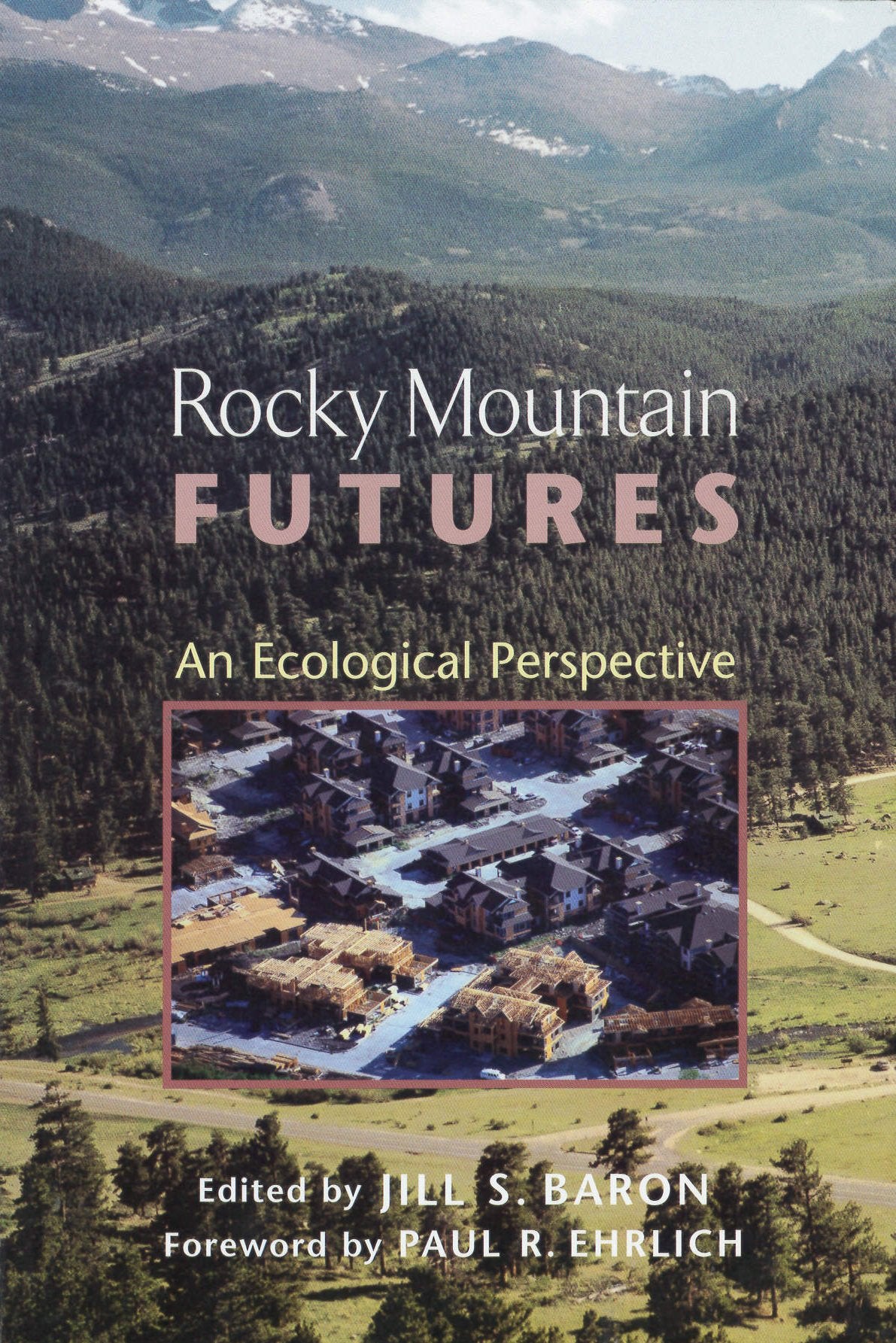
Rocky Mountain Futures: An Ecological Perspective,Used
Sold by Ergodebooks, an authorized reseller.
Returns accepted within 30 days | support@ergodebooks.com
Shipping Information
- Free Standard Shipping — United States only
- Processing Time: 3–5 business days
- Estimated Delivery: 6–10 business days after dispatch
- Double-boxed, fully insured & discreetly packaged
- Tracking number sent via email once dispatched
Returns & Refund
Returns accepted within 30 days of delivery.
Damaged or Defective Item
Free return shipping + replacement or full refund
Wrong Item Received
Free return shipping + replacement or full refund
Change of Mind
Return shipping at customer's expense · 25% restocking fee applies
Payment Option

The Rocky Mountain West is largely arid and steep, with ecological scars from past human use visible for hundreds of years. Just how damaging were the past 150 years of activity? How do current rates of disturbance compare with past mining, grazing, and water diversion activities? In the face of constant change, what constitutes a 'natural' ecosystem? And can a high quality of life be achieved for both human and natural communities in this region.Rocky Mountain Futures presents a comprehensive and wideranging examination of the ecological consequences of past, current, and future human activities in the Rocky Mountain region of the United States and Canada. The book brings together 32 leading ecologists, geographers, and other scientists and researchers to present an objective assessment of the cumulative effects of human activity on the region's ecological health and to consider changes wrought by past human use. This combined view of past and present reveals where Rocky Mountain ecosystems are heading, and the authors project what the future holds based upon current economic and social trends and the patterns that emerge from them. The book: examines the biogeographic and paleoenvironmental setting and historical climate that have shaped Rocky Mountain ecosystems traces the direct human influences on landscapes and ecosystems over the past 150 years explores the cumulative effects of past, present, and projected future human activities on tundra, subalpine and montane forests, valleys, grasslands, and waters offers case studies that illustrate specific examples of human influence and current efforts to restore the environment Case studies focus on northern New Mexico; Summit County, Colorado; Flathead Valley, Montana; and Alberta, Canada. Among the contributors are Craig D. Allen, N. Thompson Hobbs, Linda L. Joyce, Robert E. Keane, David Schindler, Timothy R. Seastedt, David Theobald, Diana Tomback, William Travis, Cathy Whitlock, and Jack Stanford.The United Nations has proclaimed 2002 as the International Year of Mountains to increase international awareness of the global importance of mountain ecosystems. The casebased multidisciplinary approach of this book constitutes an important new model for understanding the implications of landuse practices and economic activity on mountains, and will serve a vital role in improving decisionmaking both in the Rocky Mountains and in other parts of the world that face similar challenges.
⚠️ WARNING (California Proposition 65):
This product may contain chemicals known to the State of California to cause cancer, birth defects, or other reproductive harm.
For more information, please visit www.P65Warnings.ca.gov.