

Title
Rod Machado's Instrument Pilot's Survival Manual,New
Sold by Ergodebooks, an authorized reseller.
Returns accepted within 30 days | support@ergodebooks.com
Shipping Information
- Free Standard Shipping — United States only
- Processing Time: 3–5 business days
- Estimated Delivery: 6–10 business days after dispatch
- Double-boxed, fully insured & discreetly packaged
- Tracking number sent via email once dispatched
Returns & Refund
Returns accepted within 30 days of delivery.
Damaged or Defective Item
Free return shipping + replacement or full refund
Wrong Item Received
Free return shipping + replacement or full refund
Change of Mind
Return shipping at customer's expense · 25% restocking fee applies
Payment Option

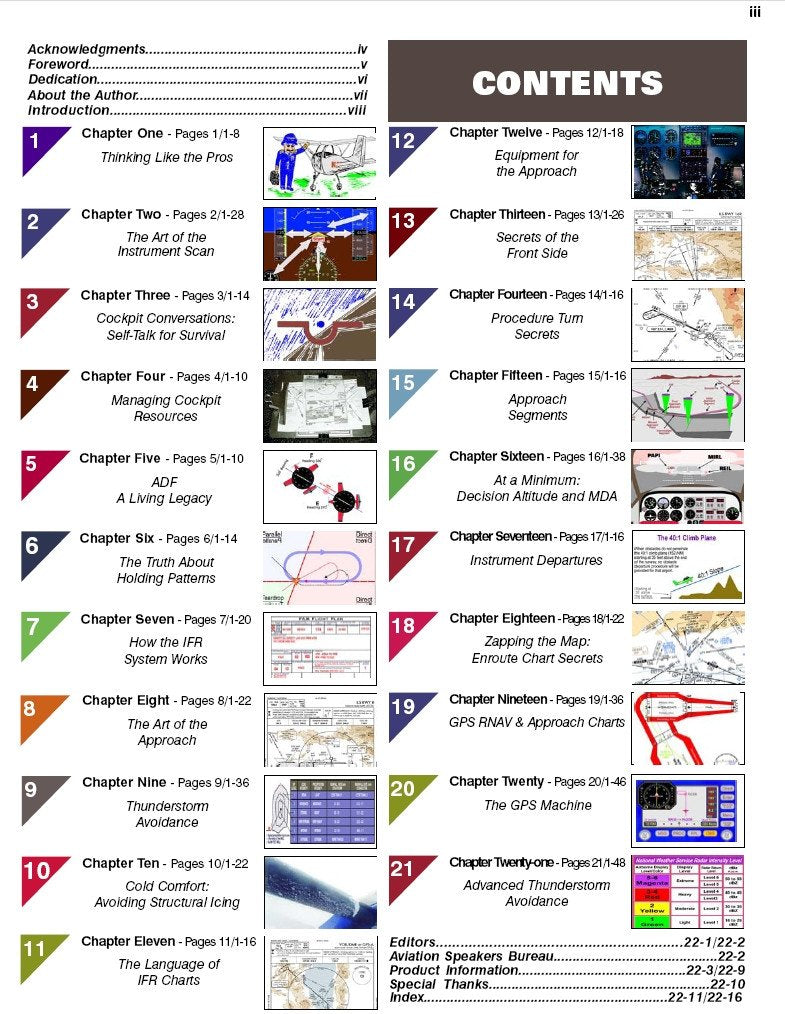
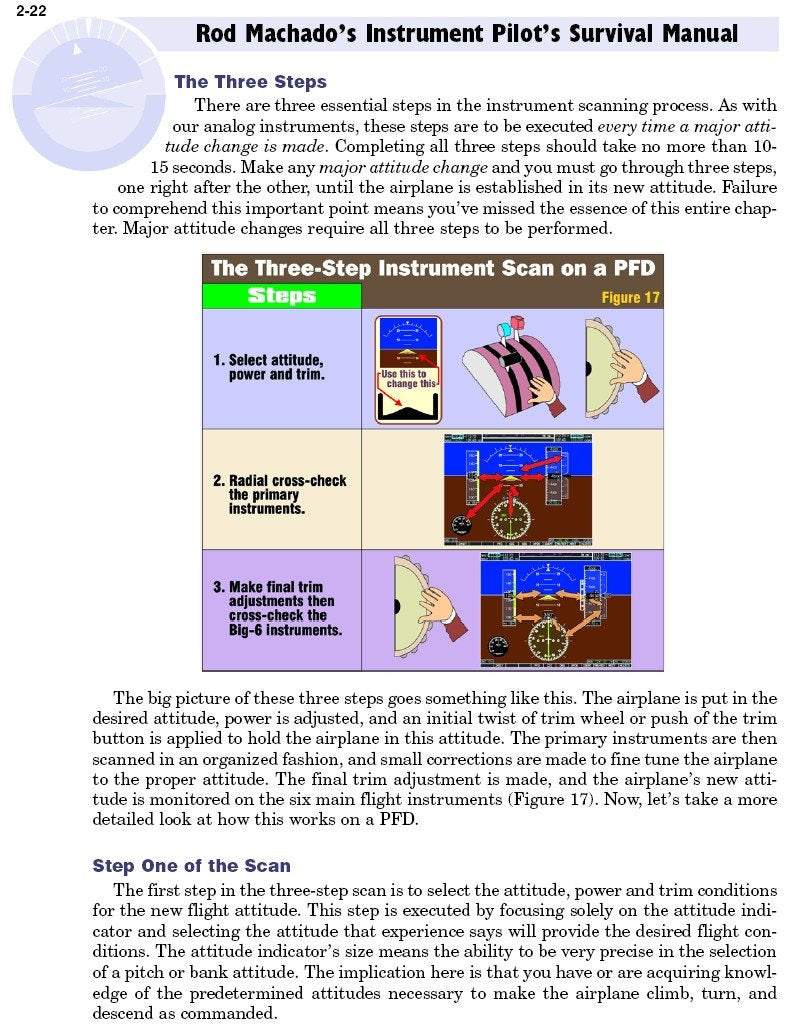
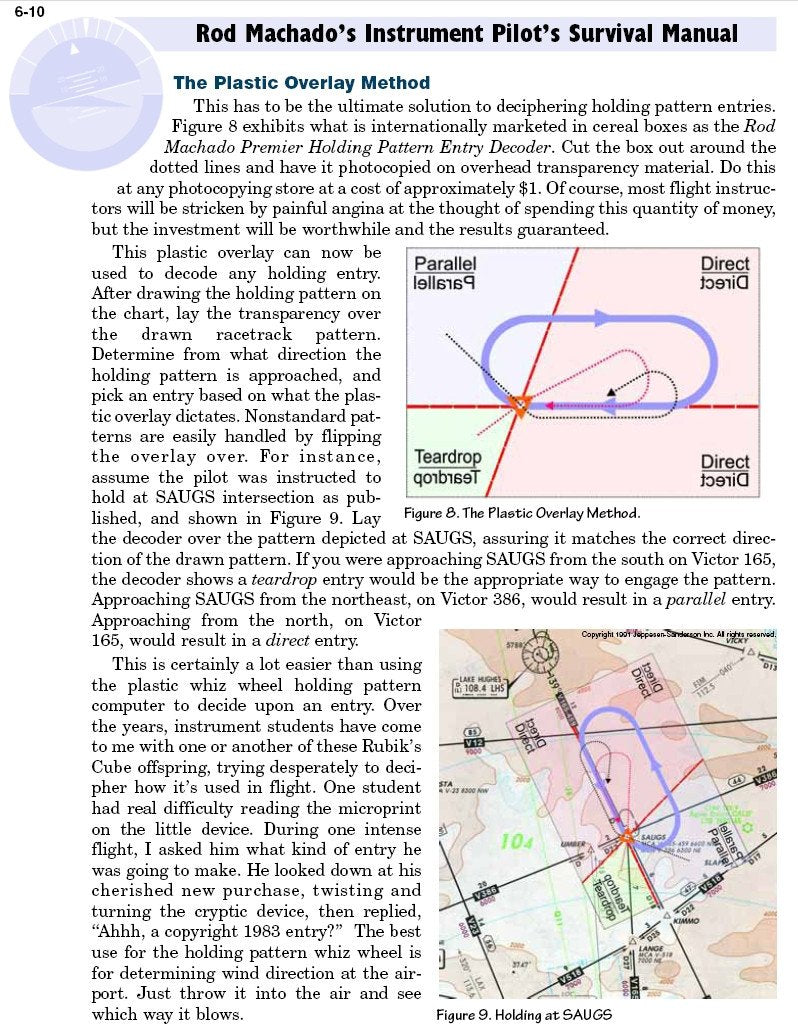
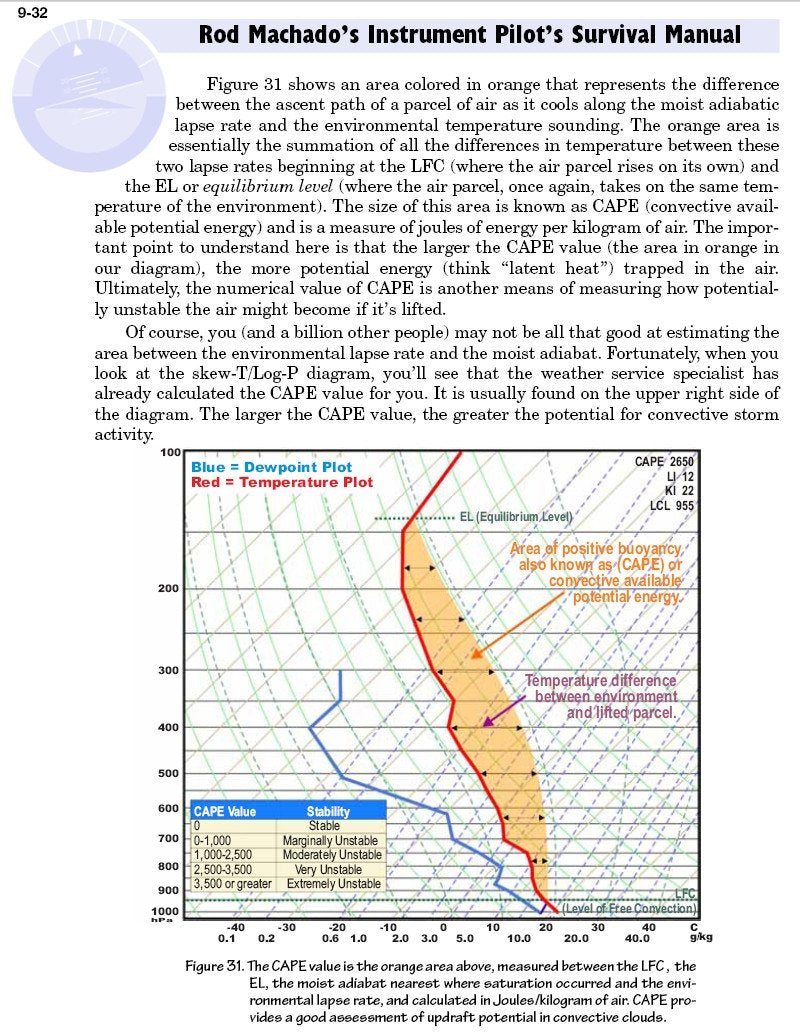
Rod Machado's Instrument Pilot's Survival Manual is written to answer the instrument pilot's most important and frequently unanswered questions. For the cost of about an hour's worth of dual instruction, you will find answers to the following *How do I know if a cloud contains a thunderstorm? *How can I use Center and Approach radar to avoid ice and convective activity? *Is there a good way to estimate visibility while at DH or MDA? *Can I increase the efficiency of my scan and reduce my cockpit workload? *How do I interpret and use all those symbols on approach charts? *How do I interpret GPS approach charts? *What's the best way to fly GPS approaches? *How GPS approaches are built differently from regular instrument approaches and why you need to know about it *And much, much more!
⚠️ WARNING (California Proposition 65):
This product may contain chemicals known to the State of California to cause cancer, birth defects, or other reproductive harm.
For more information, please visit www.P65Warnings.ca.gov.
- Q: What is the binding type of the book? A: This book has a paperback binding. Paperback bindings are lightweight and flexible, making them easy to handle and ideal for casual reading.
- Q: How many pages does the book have? A: The book does not specify the number of pages. However, it is designed to be a comprehensive guide for instrument pilots.
- Q: What are the dimensions of the book? A: The book measures eight point two seven inches in length, one point two six inches in width, and ten point five one inches in height. This size makes it convenient for storage and travel.
- Q: Is this book suitable for beginner pilots? A: Yes, this book is suitable for beginner pilots. It addresses fundamental questions that all instrument pilots face, making it an excellent resource for those just starting.
- Q: How can I use this manual effectively? A: You can use this manual by reading it as a guide while practicing instrument flying. It provides essential answers to common questions, enhancing your learning experience.
- Q: Is there a specific reading level for this book? A: The book is written for pilots with a basic understanding of aviation concepts. It is designed to be accessible to both novice and experienced pilots.
- Q: How should I store this book to keep it in good condition? A: Store this book in a cool, dry place away from direct sunlight. Keeping it on a shelf upright will help prevent damage to the spine.
- Q: Can I clean the book if it gets dirty? A: Yes, you can clean the book by gently wiping the cover with a dry cloth. Avoid using liquids, as they can damage the pages.
- Q: What if the book arrives damaged? A: If the book arrives damaged, you should contact the seller for return or exchange options. Most sellers will have a return policy in place.
- Q: Is this book a good resource for advanced instrument training? A: Yes, this book is a good resource for advanced instrument training. It covers complex topics that even seasoned pilots may find beneficial.
- Q: How does this book compare to other flight manuals? A: This book stands out by addressing frequently unanswered questions, providing practical advice that is often overlooked in other flight manuals.
- Q: What topics does the book cover? A: The book covers topics such as weather phenomena, radar usage, and GPS approaches, making it a comprehensive guide for instrument pilots.
- Q: Does this book contain illustrations or charts? A: While specific details about illustrations are not provided, flight manuals typically include charts and diagrams to enhance understanding.
- Q: Is the author experienced in aviation? A: Yes, Rod Machado is a well-known aviation educator with extensive experience, making his insights valuable for pilots.
- Q: What is the focus of the manual? A: The focus of the manual is to answer critical questions for instrument pilots, enhancing their knowledge and skills in flight operations.