
Title

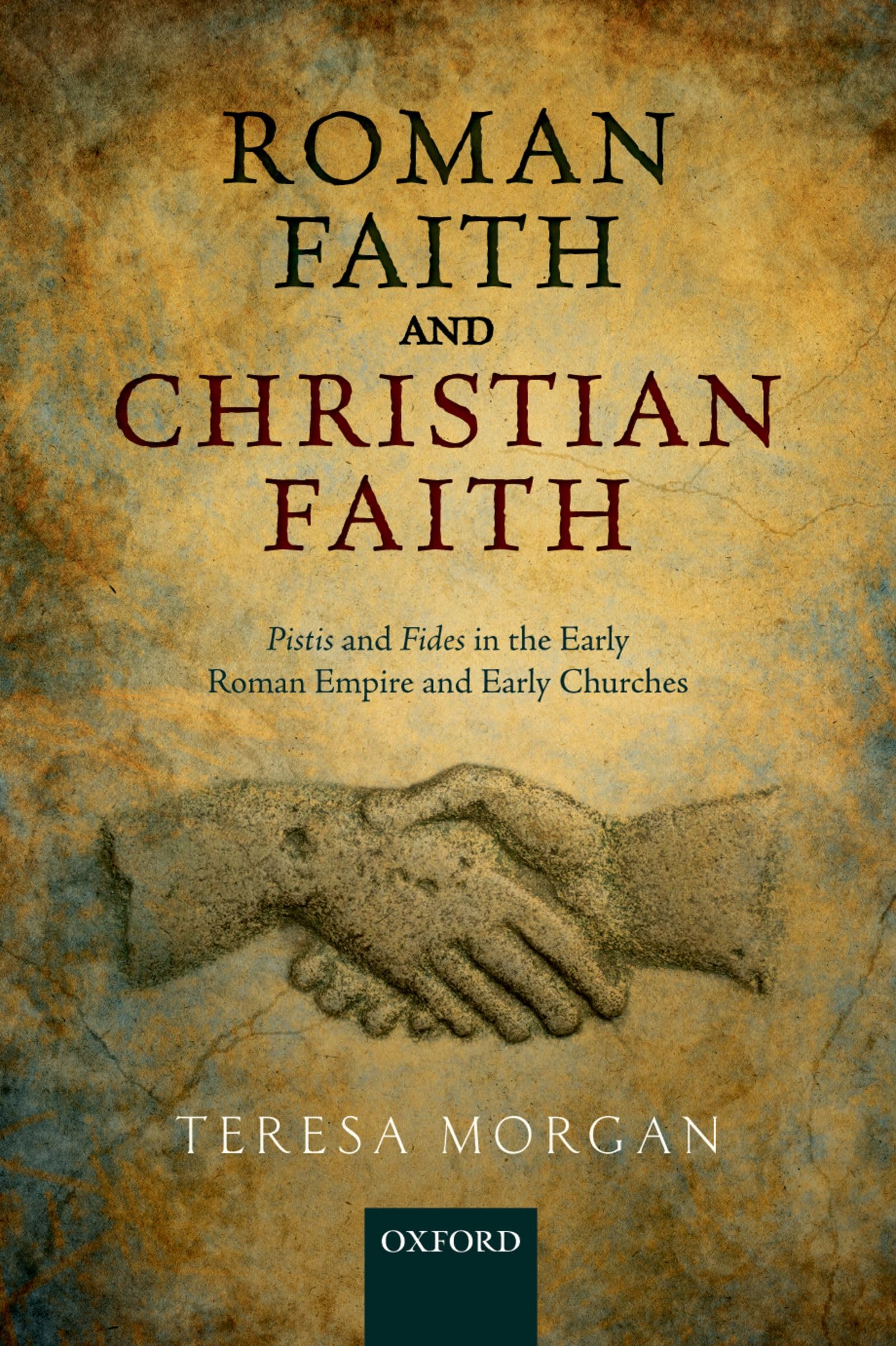
Roman Faith and Christian Faith: Pistis and Fides in the Early Roman Empire and Early Churches,Used
Sold by Ergodebooks, an authorized reseller.
Returns accepted within 30 days | support@ergodebooks.com
Shipping Information
- Free Standard Shipping — United States only
- Processing Time: 3–5 business days
- Estimated Delivery: 6–10 business days after dispatch
- Double-boxed, fully insured & discreetly packaged
- Tracking number sent via email once dispatched
Returns & Refund
Returns accepted within 30 days of delivery.
Damaged or Defective Item
Free return shipping + replacement or full refund
Wrong Item Received
Free return shipping + replacement or full refund
Change of Mind
Return shipping at customer's expense · 25% restocking fee applies
Payment Option

This study investigates why "faith" (pistis/fides) was so important to early Christians that the concept and praxis dominated the writings of the New Testament. It argues that such a study must be interdisciplinary, locating emerging Christianities in the social practices and mentalites of contemporary Judaism and the early Roman empire. This can, therefore, equally be read as a study of the operation of pistis/fides in the world of the early Roman principate, taking one small but relatively wellattested cult as a case study in how microsocieties within that world could treat it distinctively.Drawing on recent work in sociology and economics, the book traces the varying shapes taken by pistis/fides in Greek and Roman human and divinehuman relationships: whom or what is represented as easy or difficult to trust or believe in; where pistis/fides is "deferred" and "reified" in practices such as oaths and proofs; how pistis/fides is related to fear, doubt and scepticism; and which foundations of pistis/fides are treated as more or less secure.The book then traces the evolution of representations of human and divinehuman pistis in the Septuagint, before turning to pistis/pisteuein in New Testament writings and their role in the development of early Christologies (incorporating a new interpretation of pistis Christou) and ecclesiologies. It argues for the integration of the study of pistis/pisteuein with that of New Testament ethics. It explores the interiority of GraecoRoman and early Christian pistis/fides. Finally, it discusses eschatological pistis and the shape of the divinehuman community in the eschatological kingdom.
⚠️ WARNING (California Proposition 65):
This product may contain chemicals known to the State of California to cause cancer, birth defects, or other reproductive harm.
For more information, please visit www.P65Warnings.ca.gov.