
Title
Roman Seas: A Maritime Archaeology of Eastern Mediterranean Economies,Used
Sold by Ergodebooks, an authorized reseller.
Returns accepted within 30 days | support@ergodebooks.com
Shipping Information
- Free Standard Shipping — United States only
- Processing Time: 3–5 business days
- Estimated Delivery: 6–10 business days after dispatch
- Double-boxed, fully insured & discreetly packaged
- Tracking number sent via email once dispatched
Returns & Refund
Returns accepted within 30 days of delivery.
Damaged or Defective Item
Free return shipping + replacement or full refund
Wrong Item Received
Free return shipping + replacement or full refund
Change of Mind
Return shipping at customer's expense · 25% restocking fee applies
Payment Option

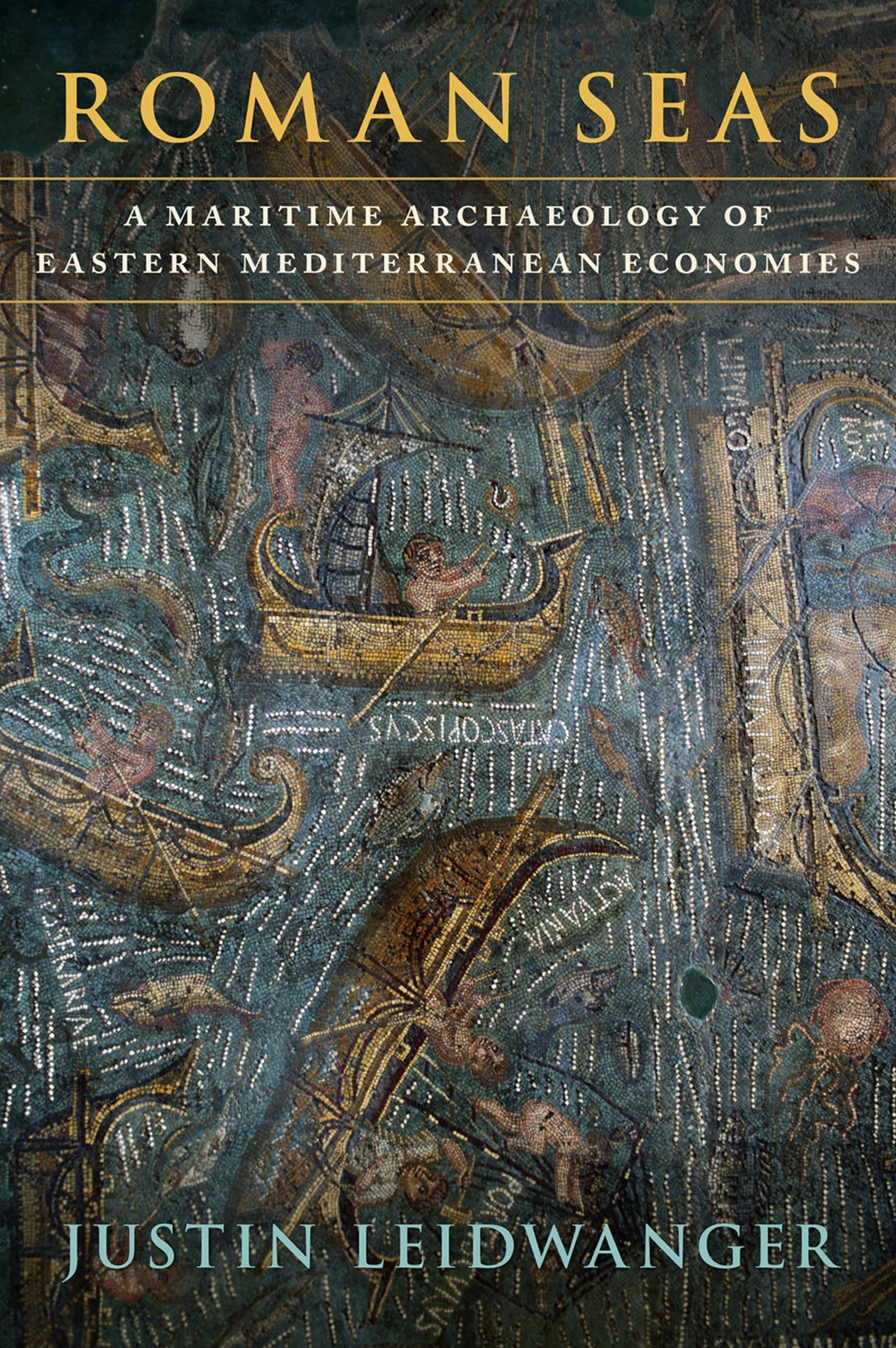
That seafaring was fundamental to Roman prosperity in the eastern Mediterranean is beyond doubt, but a tendency by scholars to focus on the grandest longdistance movements between major cities has obscured the finer and varied contours of maritime interaction. This book offers a nuanced archaeological analysis of maritime economy and connectivity in the Roman east. Drawing together maritime landscape studies and network analysis, Roman Seas takes a bottomup view of the diverse socioeconomic conditions and seafaring logistics that generated multiple structures and scales of interaction. The material record of shipwrecks and ports along a vital corridor from the southeast Aegean across the northeast Mediterranean provides a case study of regional exchange and communication based on routine sails between simple coastal harbors. Rather than a single wellintegrated and persistent Mediterranean network, multiple discrete and evolving regional and interregional systems emerge.This analysis sheds light on the cadence of economic life along the coast, the development of market institutions, and the regional continuities that underpinned integrationdespite imperial fragmentationbetween the second century BCE and the seventh century CE. Roman Seas advances a new approach to the synthesis of shipwreck and other maritime archaeological and historical economic data, as well as a path through the stark dichotomieseither big commercial voyages or smallscale cabotagethat inform most paradigms of Roman connectivity and trade. The result is a unique perspective on ancient Mediterranean trade, seafaring, cultural interaction, and coastal life.
⚠️ WARNING (California Proposition 65):
This product may contain chemicals known to the State of California to cause cancer, birth defects, or other reproductive harm.
For more information, please visit www.P65Warnings.ca.gov.