If you have any questions, you are always welcome to contact us. We'll get back to you as soon as possible, withing 24 hours on weekdays.
Customer service
All questions about your order, return and delivery must be sent to our customer service team by e-mail at yourstore@yourdomain.com
Sale & Press
If you are interested in selling our products, need more information about our brand or wish to make a collaboration, please contact us at press@yourdomain.com
Help
If you have any questions, you are always welcome to contact us. We'll get back to you as soon as possible, withing 24 hours on weekdays.
Customer service
All questions about your order, return and delivery must be sent to our customer service team by e-mail at yourstore@yourdomain.com
Sale & Press
If you are interested in selling our products, need more information about our brand or wish to make a collaboration, please contact us at press@yourdomain.com
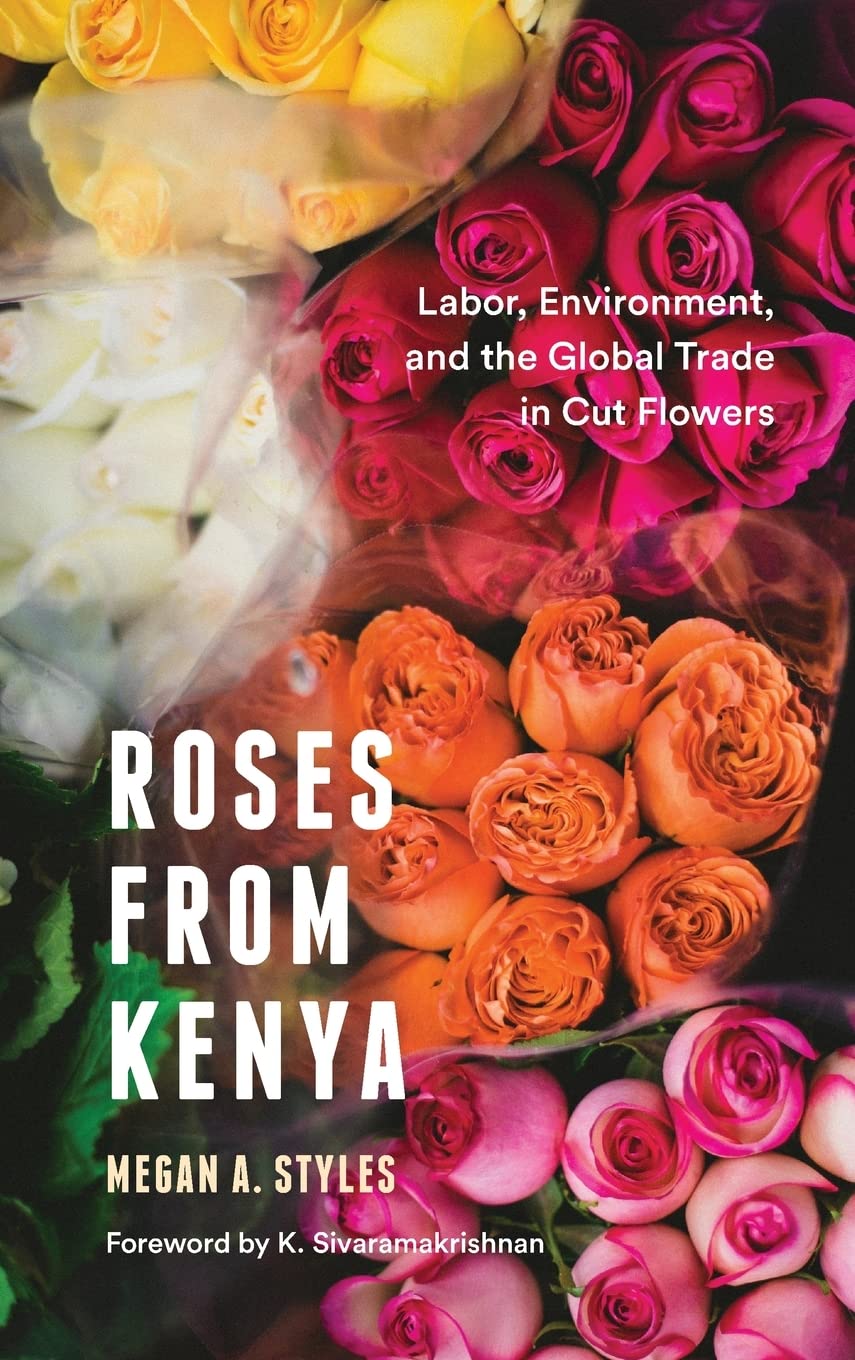
Kenya supplies more than 35 percent of the freshcut roses and other flowers sold annually in the European Union. This industrywhich employs at least 90,000 workers, most of whom are womenis lucrative but enduringly controversial. More than half the flowers are grown near the shores of Lake Naivasha, a freshwater lake northwest of Nairobi recognized as a Ramsar site, a wetland of international importance. Critics decry the environmental side effects of floriculture, and human rights activists demand better wages and living conditions for workers.In this rich portrait of Kenyan floriculture, Megan Styles presents the point of view of local workers and investigates how the industry shapes Kenyan livelihoods, landscapes, and politics. She investigates the experiences and perspectives of lowwage farmworkers and the more elite actors whose lives revolve around floriculture, including farm managers and owners, Kenyan officials, and the human rights and environmental activists advocating for reform. By exploring these perspectives together, Styles reveals the complex and contradictory ways that rose farming shapes contemporary Kenya. She also shows how the rose industry connects Kenya to the world, and how Kenyan actors perceive these connections. As a key space of encounter, Lake Naivasha is a synergistic center where many actors seek to solve broader Kenyan social and environmental problems using the global flows of people, information, and money generated by floriculture.
⚠️ WARNING (California Proposition 65):
This product may contain chemicals known to the State of California to cause cancer,
birth defects, or other reproductive harm.
For MAP (Minimum Advertised Price) violations and Intellectual Property (IP) or Trademark concerns, please contact:
support@ergodebooks.com
⚠️ California Proposition 65 Warning: Some products sold on this website may expose you to chemicals known to the State of California to cause cancer, birth defects, or other reproductive harm. For more information, visit www.P65Warnings.ca.gov.