
Title
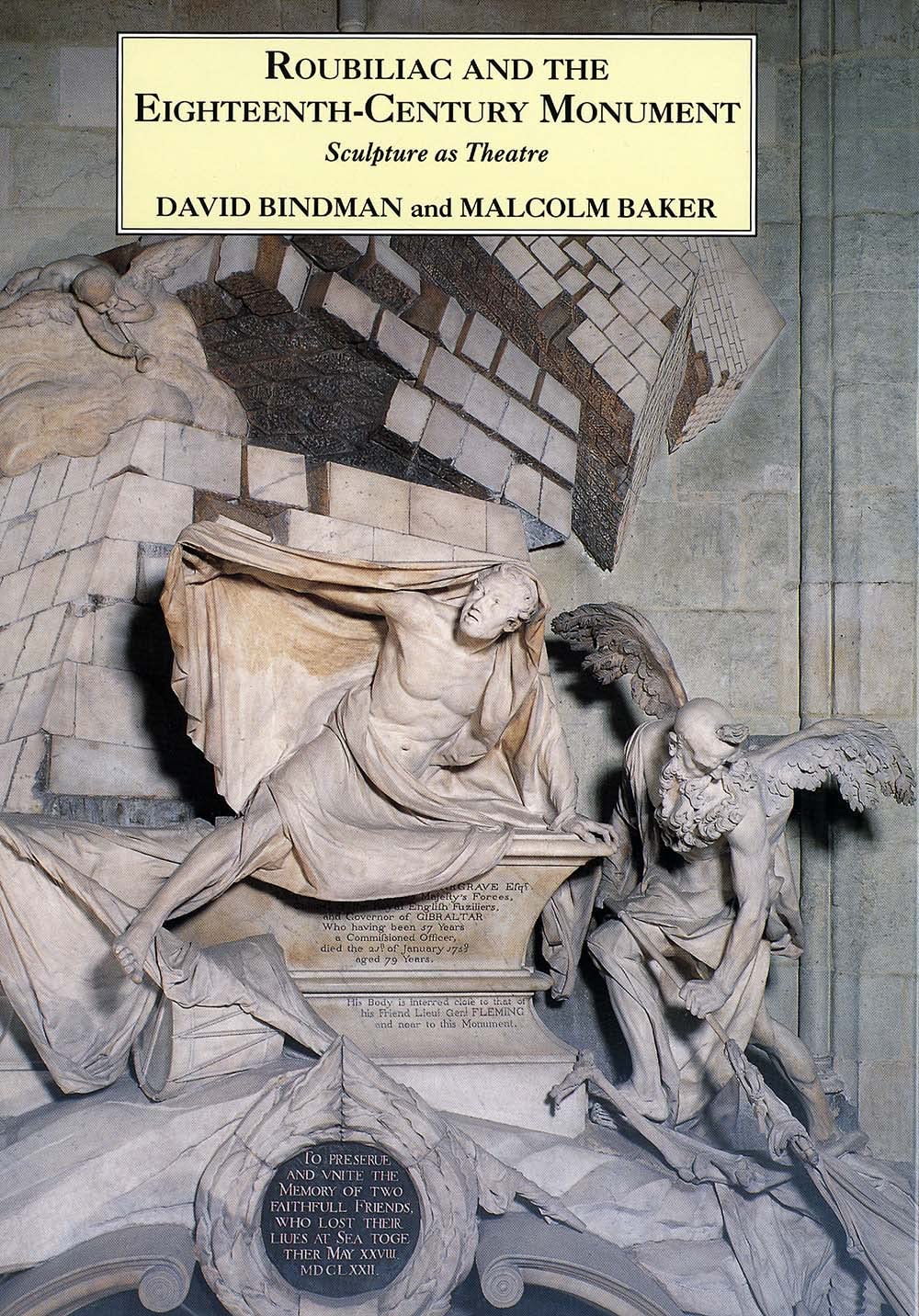
Roubiliac and the EighteenthCentury Monument: Sculpture as Theatre,Used
Sold by Ergodebooks, an authorized reseller.
Returns accepted within 30 days | support@ergodebooks.com
Shipping Information
- Free Standard Shipping — United States only
- Processing Time: 3–5 business days
- Estimated Delivery: 6–10 business days after dispatch
- Double-boxed, fully insured & discreetly packaged
- Tracking number sent via email once dispatched
Returns & Refund
Returns accepted within 30 days of delivery.
Damaged or Defective Item
Free return shipping + replacement or full refund
Wrong Item Received
Free return shipping + replacement or full refund
Change of Mind
Return shipping at customer's expense · 25% restocking fee applies
Payment Option

Louis Franois Roubiliac, the most compelling sculptor in eighteenthcentury Britain, was responsible for many complex and dramatic monuments that can be seen in Westminster Abbey and churches throughout the country. This book is not only the first extended treatment of the artist since 1928 but is also an exploration of tomb sculpture in the context of the period.The first section, written by David Bindman, discusses the reasons for the commissioning of tomb sculpture, ideas of death and the afterlife, the setting of the tomb, the themes that govern its imagery, and the negotiations between sculptor and patron. The second section, written by Malcolm Baker, examines in detail the processes involved in the design and making of the monuments. Through an analysis of the monuments themselves, the surviving models, and a range of documentary evidence, Baker considers Roubiliac's technical procedures and compares them to those of other sculptors in Britain and on the continent. The volume ends with a full catalogue raisonn of Roubiliac's known monuments. Each commission is discussed in detail, with full accounts of contemporary documentation, inscriptions, physical construction, and related models.By examining the particular social and religious conditions of the time it becomes possible to account not only for the distinctive features of Roubiliac's work and practice but also for how such theatrical works came to be accepted and admired. The book is fully illustrated, all the major works having been newly photographed to make visible details that are impossible to see under normal viewing conditions.Published for the Paul Mellon Center for Studies in British Art
⚠️ WARNING (California Proposition 65):
This product may contain chemicals known to the State of California to cause cancer, birth defects, or other reproductive harm.
For more information, please visit www.P65Warnings.ca.gov.