If you have any questions, you are always welcome to contact us. We'll get back to you as soon as possible, withing 24 hours on weekdays.
Customer service
All questions about your order, return and delivery must be sent to our customer service team by e-mail at yourstore@yourdomain.com
Sale & Press
If you are interested in selling our products, need more information about our brand or wish to make a collaboration, please contact us at press@yourdomain.com
Help
If you have any questions, you are always welcome to contact us. We'll get back to you as soon as possible, withing 24 hours on weekdays.
Customer service
All questions about your order, return and delivery must be sent to our customer service team by e-mail at yourstore@yourdomain.com
Sale & Press
If you are interested in selling our products, need more information about our brand or wish to make a collaboration, please contact us at press@yourdomain.com
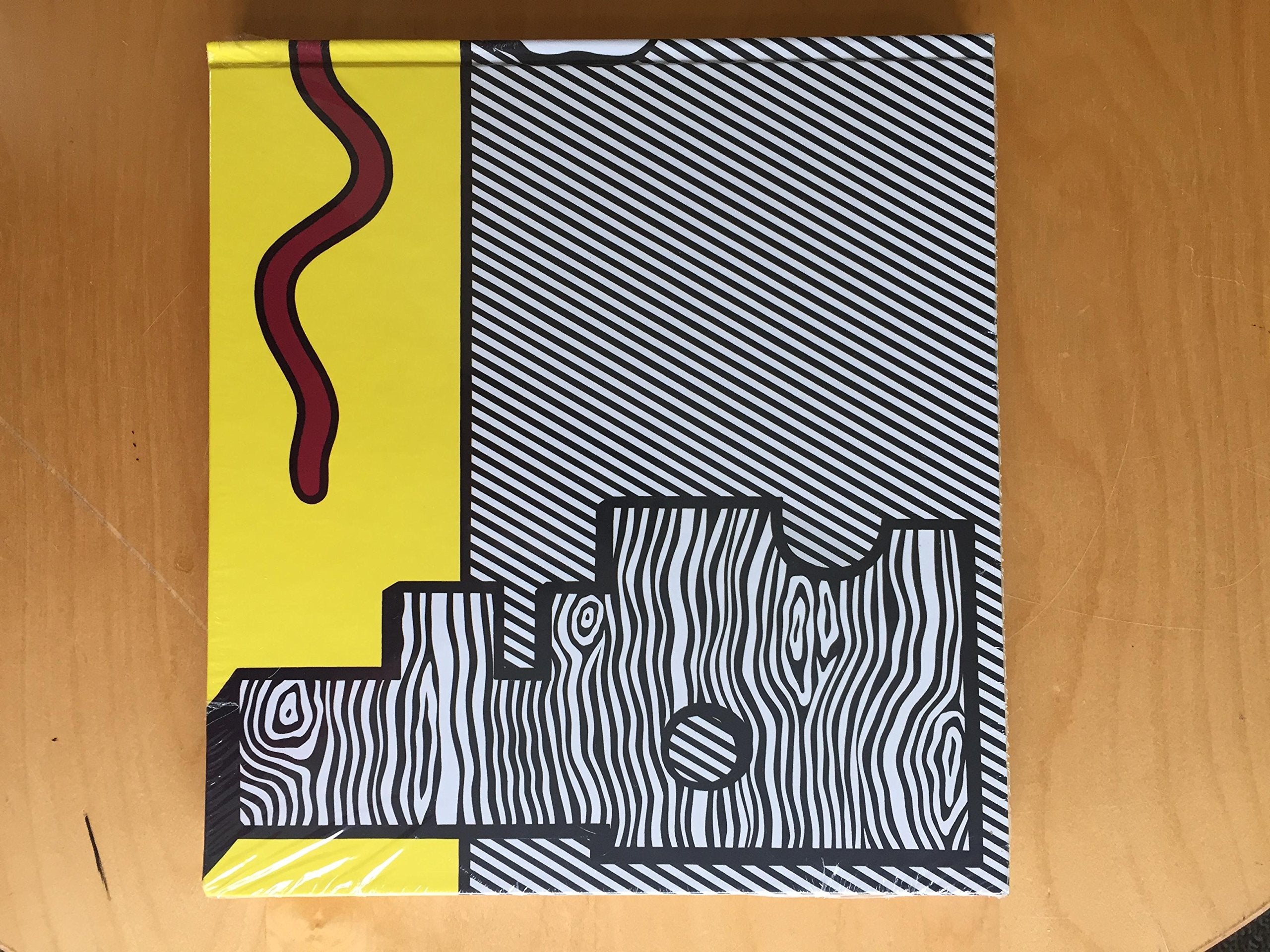
Charles Stuckey writes in his essay 'Lichtenstein and Surrealism' that, 'Searching for a worldwide audience in the 1930s, the Surrealists nowhere received more welcome than in the United States, with important exhibitions at the Wadsworth Athenaeum in Hartford and The Museum of Modern Art in New York. The Julien Levy Gallery quickly became something of an official New York headquarters. By the 1940s when Lichtenstein attended art school at Ohio State University, Surrealism was widely acclaimed as the matrix style for contemporary American abstract art.' So no one should be surprised that the young Lichtenstein's work of that era is 'fundamentally Surrealist in spirit,' and that the style that influenced him as a young man would carry over into his life's work. The paintings and works on paper in Conversations with Surrealism show the movement's continuing power and inspiration through to the 1970s, when Lichtenstein drew on the work of Dali, Magritte and Picasso. The works from this series endow Surrealist archetypes such as dreamlike landscapes with Lichtenstein's distinctive style, weaving the artist himself into an arthistorical narrative. Conversations with Surrealism offers a glimpse into the development of some of Lichtenstein's bestknown motifs, including his 'selfportraits,' in which various objects represent the artist's head and face. Includes a work of short fiction by Frederic Tuten, author of The Green Hour.
⚠️ WARNING (California Proposition 65):
This product may contain chemicals known to the State of California to cause cancer,
birth defects, or other reproductive harm.
For MAP (Minimum Advertised Price) violations and Intellectual Property (IP) or Trademark concerns, please contact:
support@ergodebooks.com
⚠️ California Proposition 65 Warning: Some products sold on this website may expose you to chemicals known to the State of California to cause cancer, birth defects, or other reproductive harm. For more information, visit www.P65Warnings.ca.gov.