
Title
Rule Of Law: The Jurisprudence Of Liberty In The Seventeenth And Eighteenth Centuries,Used
Sold by Ergodebooks, an authorized reseller.
Returns accepted within 30 days | support@ergodebooks.com
Shipping Information
- Free Standard Shipping — United States only
- Processing Time: 3–5 business days
- Estimated Delivery: 6–10 business days after dispatch
- Double-boxed, fully insured & discreetly packaged
- Tracking number sent via email once dispatched
Returns & Refund
Returns accepted within 30 days of delivery.
Damaged or Defective Item
Free return shipping + replacement or full refund
Wrong Item Received
Free return shipping + replacement or full refund
Change of Mind
Return shipping at customer's expense · 25% restocking fee applies
Payment Option

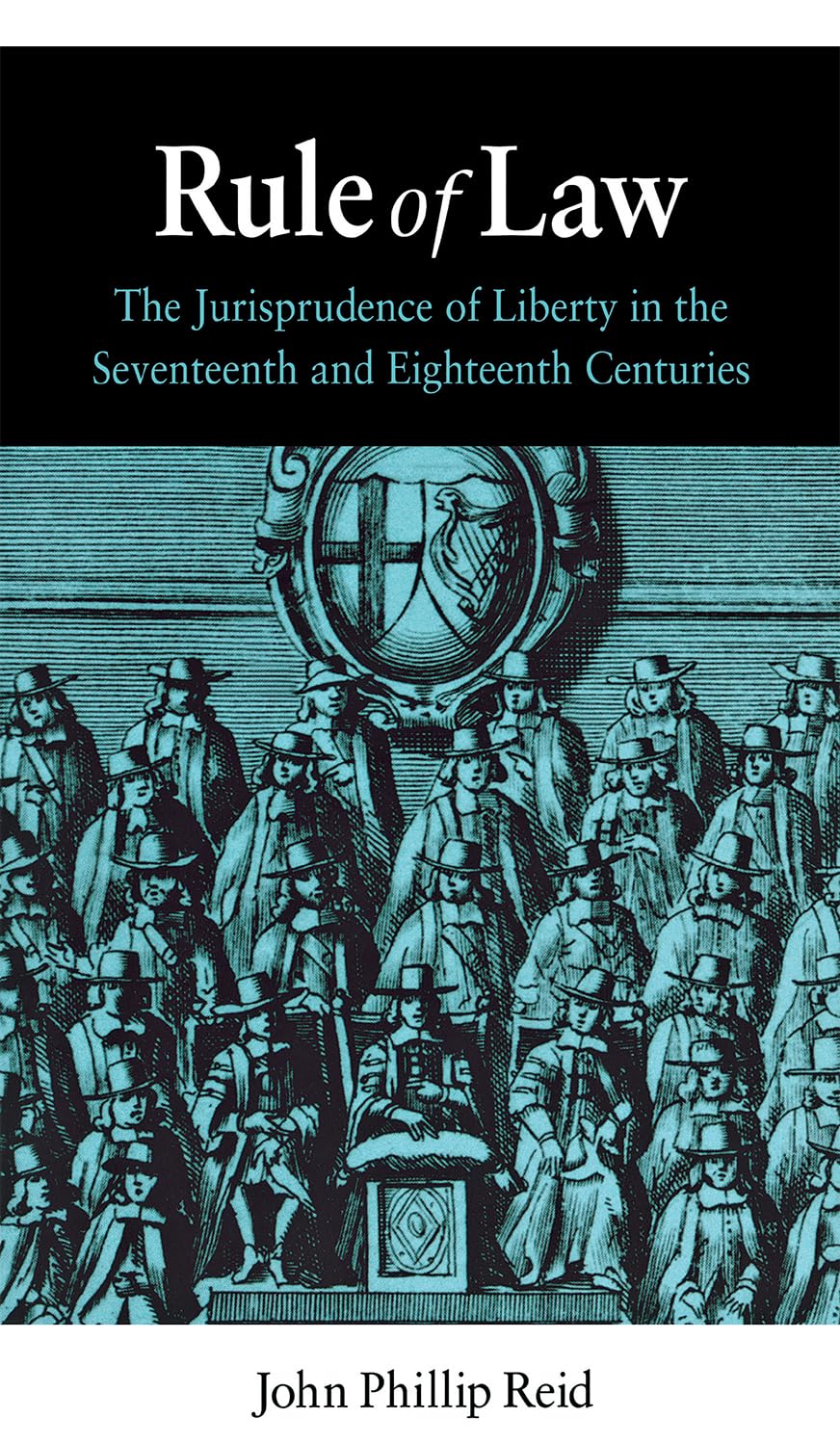
Rule of law'the idea that the law is the nation's sovereign authorityhas served as a cornerstone for constitutional theory and the jurisprudence of liberty. When law reigns over governors and the governed alike, a citizen need not fear capricious monarchs, arbitrary judges, or calculating bureaucrats. When a citizen obeys the law, life, liberty, and property are safe; when a citizen disobeys, the law alone will determine the appropriate punishment.While the rule of law's English roots can be found in the Middle Ages, its governing doctrine rose to power during the seventeenth and eighteenth centuries. John Phillip Reid traces the concept's progress through a series of landmark events in Great Britain and North America: the trial of Charles I, the creation of the Mayflower Compact, the demand for a codification of the laws in John Winthrop's Massachusetts Bay Colony, and an attempt to harness the Puritan Lord Protector Oliver Cromwell to the rule of law by crowning him king. The American Revolution, the culmination of two centuries of political foment, marked the greatest victory for rule of law.Even as Reid tells this triumphal story, he argues that we must not take for granted what the expression 'rule of law' meant. Rather, if we are to understand its nuances, we must closely examine the historical context as well as the intentions of those who invoked it as a doctrine. He makes a convincing case; along the way, he employs generous quotations from key documents to fortify his sometimes startling insights. This combination of solid scholarship and intellectual agility is nothing less than what readers have come to expect from this eminent legal historian.
⚠️ WARNING (California Proposition 65):
This product may contain chemicals known to the State of California to cause cancer, birth defects, or other reproductive harm.
For more information, please visit www.P65Warnings.ca.gov.