
Title
Rural Society And Cotton In Colonial Zaire,New
Sold by Ergodebooks, an authorized reseller.
Returns accepted within 30 days | support@ergodebooks.com
Shipping Information
- Free Standard Shipping — United States only
- Processing Time: 3–5 business days
- Estimated Delivery: 6–10 business days after dispatch
- Double-boxed, fully insured & discreetly packaged
- Tracking number sent via email once dispatched
Returns & Refund
Returns accepted within 30 days of delivery.
Damaged or Defective Item
Free return shipping + replacement or full refund
Wrong Item Received
Free return shipping + replacement or full refund
Change of Mind
Return shipping at customer's expense · 25% restocking fee applies
Payment Option

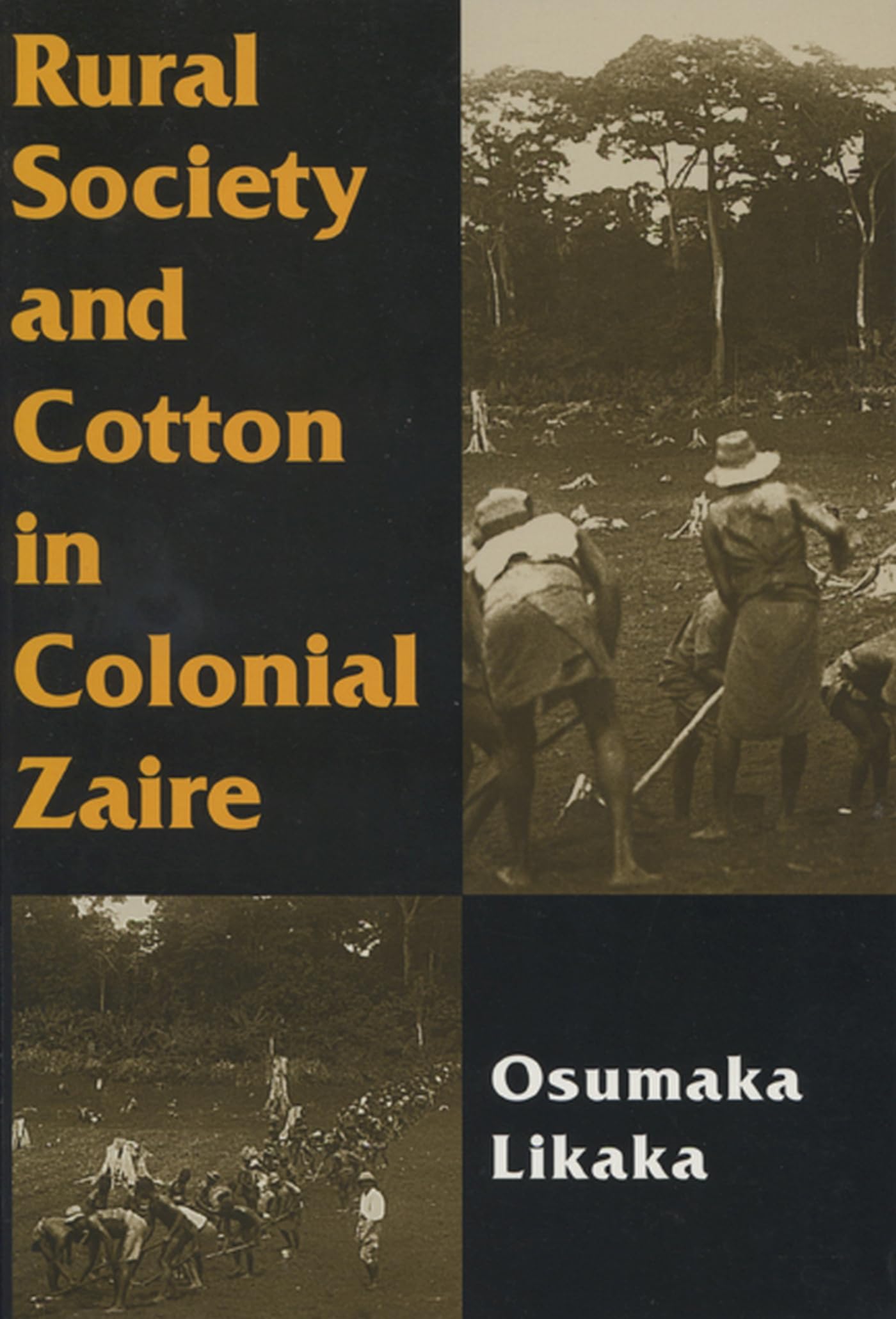
This Masterful Social And Economic History Of Rural Zaire Examines The Complex And Lasting Effects Of Forced Cotton Cultivation In Central Africa From 1917 To 1960. Osumaka Likaka Recreates Daily Life Inside The Colonial Cotton Regime. He Shows That, To Ensure Widespread Cotton Production And To Overcome Continued Peasant Resistance, The Colonial State And The Cotton Companies Found It Necessary To Augment Their Use Of Threats And Force With Efforts To Win The Cooperation Of The Peasant Farmers, Through Structural Reforms, Economic Incentives, And Propaganda Exploiting African Popular Culture.As Local Plots Of Food Crops Grown By Individual Households Gave Way To Commercial Fields Of Cotton, A Whole Host Of Social, Economic, And Environmental Changes Followed. Likaka Reveals How Food Shortages And Competition For Labor Were Endemic, Forests Were Cleared, Social Stratification Increased, Married Women Lost Their Traditional Control Of Agricultural Production, And Communities Became Impoverished While Local Chiefs Enlarged Their Power And Prosperity.Likaka Documents How The Cotton Regime Promoted Its Cause Through Agricultural Exhibits, Cotton Festivals, Films, And Plays, As Well As By Raising Producer Prices And Decreasing Tax Rates. He Also Shows How The Peasant Laborers In Turn Resisted Regimented Agricultural Production By Migrating, Fleeing The Farms For The Bush, Or Sabotaging Plantings By Surreptitiously Boiling Cotton Seeds. Small Farmers Who Had Received Appallingly Low Prices From The Cotton Companies Resisted By Stealing Back Their Cotton By Night From The Warehouses, To Resell It In The Morning. Likaka Draws On Interviews With More Than Fifty Informants In Zaire And Belgium And Reviews An Impressive Array Of Archival Materials, From Court Records To Comic Books. In Uncovering The Tumultuous Economic And Social Consequences Of The Cotton Regime And By Emphasizing Its Effects On Social Institutions, Likaka Enriches Historical Understanding Of African Agriculture And Development.
⚠️ WARNING (California Proposition 65):
This product may contain chemicals known to the State of California to cause cancer, birth defects, or other reproductive harm.
For more information, please visit www.P65Warnings.ca.gov.