If you have any questions, you are always welcome to contact us. We'll get back to you as soon as possible, withing 24 hours on weekdays.
Customer service
All questions about your order, return and delivery must be sent to our customer service team by e-mail at yourstore@yourdomain.com
Sale & Press
If you are interested in selling our products, need more information about our brand or wish to make a collaboration, please contact us at press@yourdomain.com
Help
If you have any questions, you are always welcome to contact us. We'll get back to you as soon as possible, withing 24 hours on weekdays.
Customer service
All questions about your order, return and delivery must be sent to our customer service team by e-mail at yourstore@yourdomain.com
Sale & Press
If you are interested in selling our products, need more information about our brand or wish to make a collaboration, please contact us at press@yourdomain.com
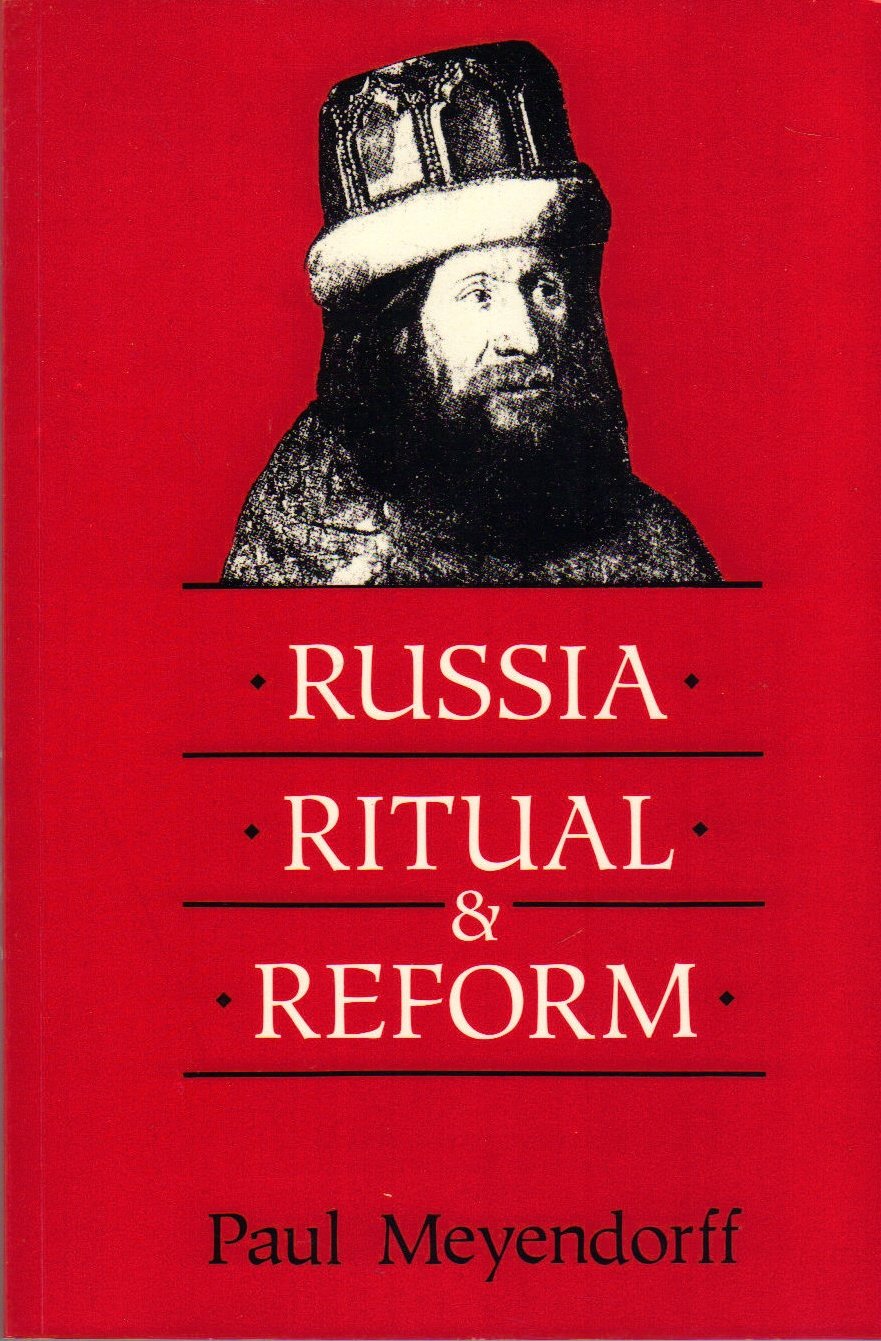
Historians have generally accepted the 'official' interpretation of the reform of the liturgical books conducted in Muscovite Russia in the midseventeenth century as a 'correction' made on the basis of the ancient Greek and Slavic sources. In fact, the reform was based exclusively on contemporary sources, chiefly the 1602 Venice Euchologion (Greek) and seventeenth century SouthSlavic editions from Kiev and Striatin. Far from being a 'return to the sources,' or a 'correction,' the reform consisted simply in the uncritical transposition of contemporary Greek practice onto Russian soil. Part One of Russia, Ritual and Reform is an historical overview of the events and of the chief personages involved in the reform: Patriarch Nikon, Tsar Alexis, Arsenios the Greek, and Epifanii Slavinetskii. We see that the reform was initiated not by Nikon, but by the tsar, and that aligning Russian practice with Greek was part of a grand design to make Moscow the 'Third Rome,' the new capital of the Orthodox world. Nikon, an able administrator and close friend of the tsar, was selected as the new patriarch to see the program through. Part Two contains an analysis of the content of the reform, consisting of a comparative study of pre and postNikonian editions of the Sluzhebnik (Euchologion). Particular attention is focused on the text and rubrics of the Byzantine Liturgy of John Chrysostom, which underwent the most significant changes.
⚠️ WARNING (California Proposition 65):
This product may contain chemicals known to the State of California to cause cancer,
birth defects, or other reproductive harm.
For MAP (Minimum Advertised Price) violations and Intellectual Property (IP) or Trademark concerns, please contact:
support@ergodebooks.com
⚠️ California Proposition 65 Warning: Some products sold on this website may expose you to chemicals known to the State of California to cause cancer, birth defects, or other reproductive harm. For more information, visit www.P65Warnings.ca.gov.