
Title
Sacred Aid: Faith and Humanitarianism,Used
Sold by Ergodebooks, an authorized reseller.
Returns accepted within 30 days | support@ergodebooks.com
Shipping Information
- Free Standard Shipping — United States only
- Processing Time: 3–5 business days
- Estimated Delivery: 6–10 business days after dispatch
- Double-boxed, fully insured & discreetly packaged
- Tracking number sent via email once dispatched
Returns & Refund
Returns accepted within 30 days of delivery.
Damaged or Defective Item
Free return shipping + replacement or full refund
Wrong Item Received
Free return shipping + replacement or full refund
Change of Mind
Return shipping at customer's expense · 25% restocking fee applies
Payment Option

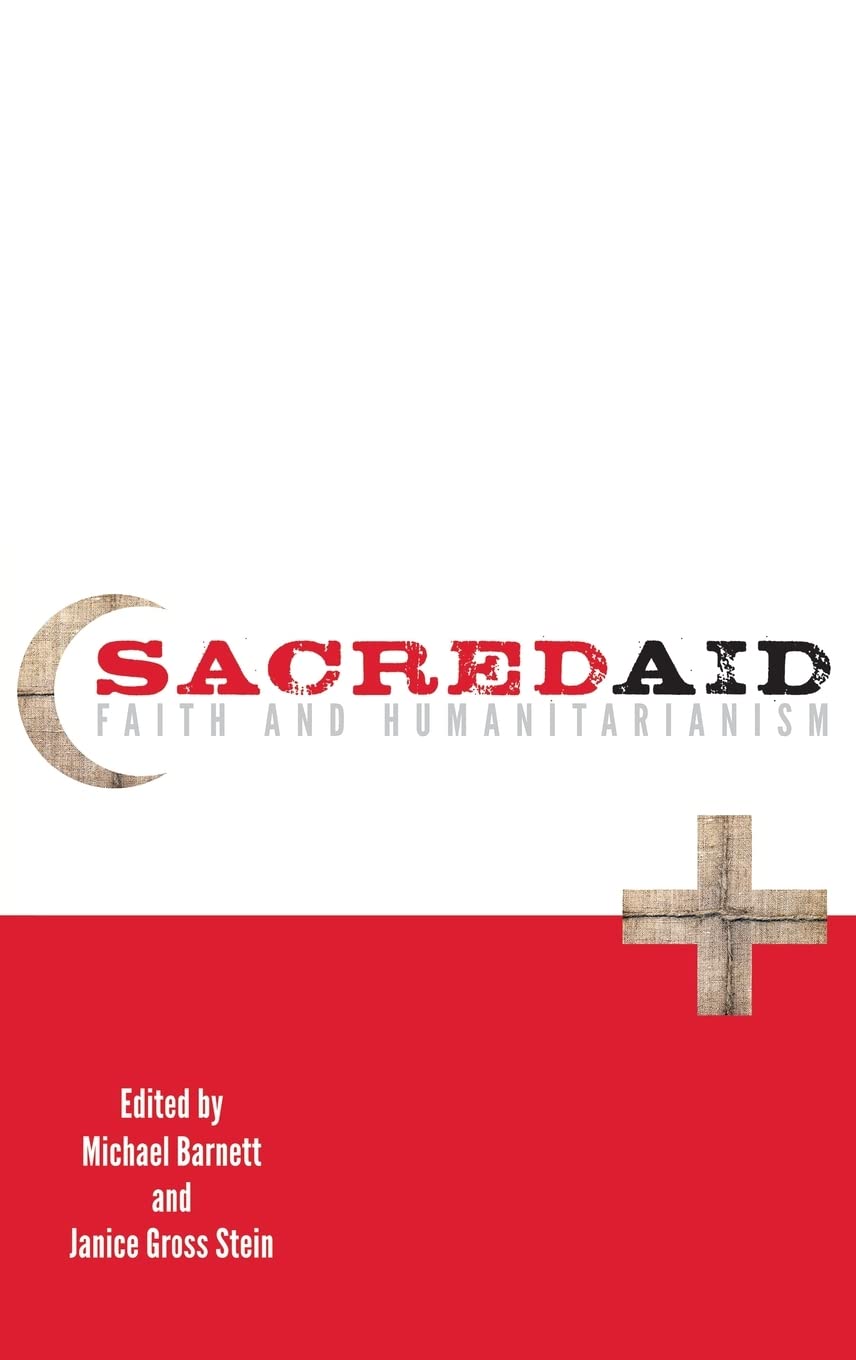
The global humanitarian movement, which originated within Western religious organizations in the early nineteenth century, has been of most important forces in world politics in advancing both human rights and human welfare. While the religious groups that founded the movement originally focused on conversion, in time more secular concerns came to dominate. By the end of the nineteenth century, increasingly professionalized yet nominally religious organization shifted from reliance on the good book to the public health manual. Over the course of the twentieth century, the secularization of humanitarianism only increased, and by the 1970s the movement's religious inspiration, generally speaking, was marginal to its agenda. However, beginning in the 1980s, religiously inspired humanitarian movements experienced a major revival, and today they are virtual equals of their secular brethren.From churchsponsored AIDS prevention campaigns in Africa to Muslim charity efforts in floodstricken Pakistan to Hindu charities in India, religious groups have altered the character of the global humanitarian movement. Moreover, even secular groups now gesture toward religious inspiration in their work. Clearly, the broad, inexorable march toward secularism predicted by so many Westerners has halted, which is especially intriguing with regard to humanitarianism. Not only was it a highly secularized movement just forty years ago, but its principles were based on those we associate with "rational" modernity: cosmopolitan oneworldism and material (as opposed to spiritual) progress. How and why did this happen, and what does it mean for humanitarianism writ large? That is the question that the eminent scholars Michael Barnett and Janice Stein pose in Sacred Aid, and for answers they have gathered chapters from leading scholars that focus on the relationship between secularism and religion in contemporary humanitarianism throughout the developing world. Collectively, the chapters in this volume comprise an original and authoritative account of religion has reshaped the global humanitarian movement in recent times.
⚠️ WARNING (California Proposition 65):
This product may contain chemicals known to the State of California to cause cancer, birth defects, or other reproductive harm.
For more information, please visit www.P65Warnings.ca.gov.