
Title
Safety at the Sharp End: A Guide to NonTechnical Skills,Used
Sold by Ergodebooks, an authorized reseller.
Returns accepted within 30 days | support@ergodebooks.com
Shipping Information
- Free Standard Shipping — United States only
- Processing Time: 3–5 business days
- Estimated Delivery: 6–10 business days after dispatch
- Double-boxed, fully insured & discreetly packaged
- Tracking number sent via email once dispatched
Returns & Refund
Returns accepted within 30 days of delivery.
Damaged or Defective Item
Free return shipping + replacement or full refund
Wrong Item Received
Free return shipping + replacement or full refund
Change of Mind
Return shipping at customer's expense · 25% restocking fee applies
Payment Option

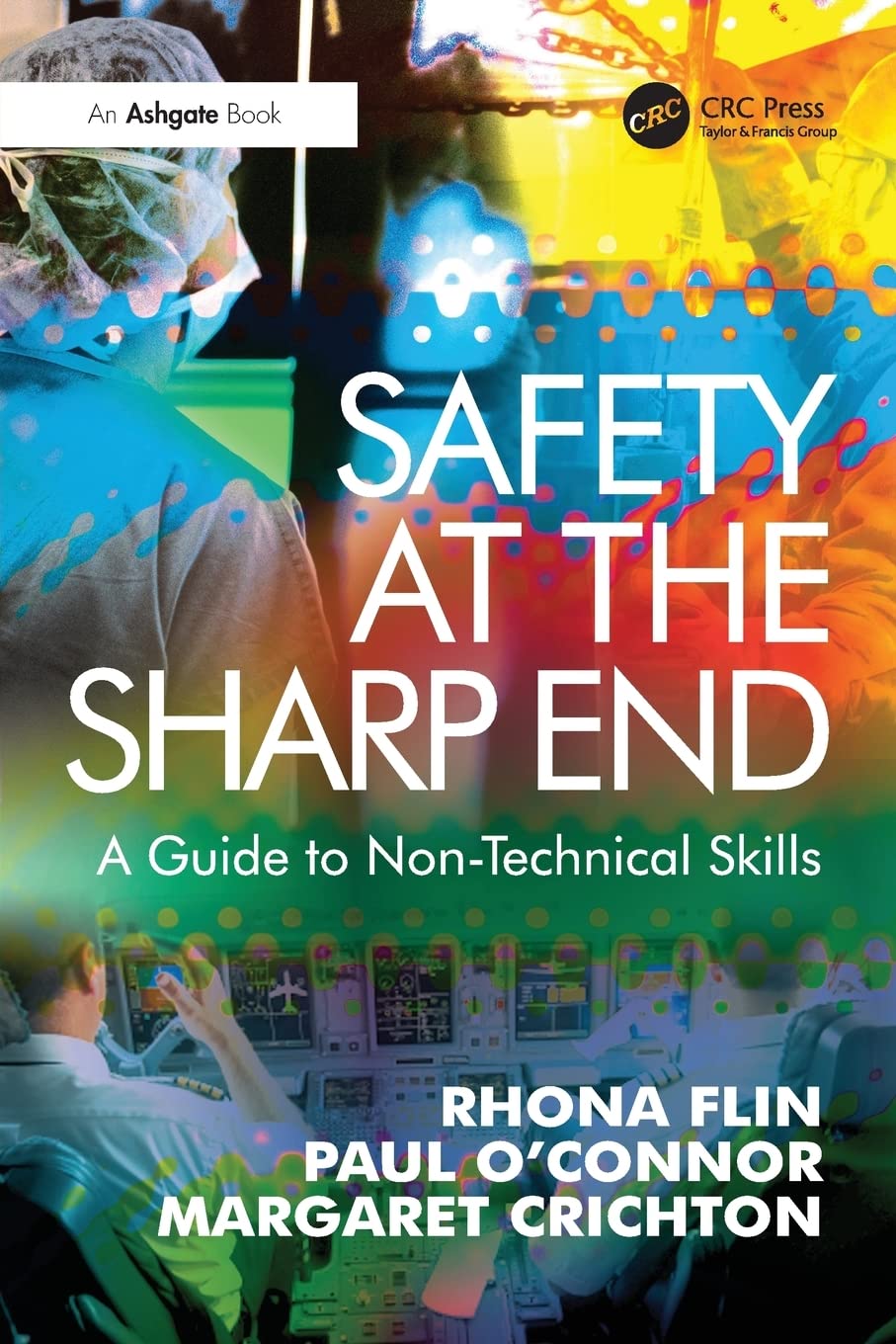
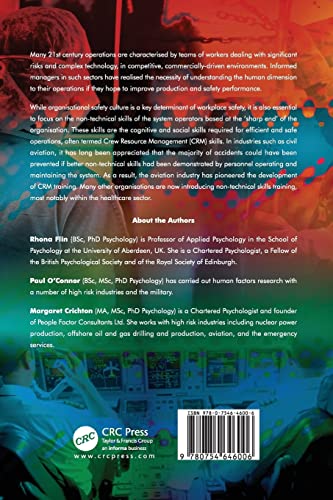
Many 21st century operations are characterised by teams of workers dealing with significant risks and complex technology, in competitive, commerciallydriven environments. Informed managers in such sectors have realised the necessity of understanding the human dimension to their operations if they hope to improve production and safety performance. While organisational safety culture is a key determinant of workplace safety, it is also essential to focus on the nontechnical skills of the system operators based at the 'sharp end' of the organisation. These skills are the cognitive and social skills required for efficient and safe operations, often termed Crew Resource Management (CRM) skills. In industries such as civil aviation, it has long been appreciated that the majority of accidents could have been prevented if better nontechnical skills had been demonstrated by personnel operating and maintaining the system. As a result, the aviation industry has pioneered the development of CRM training. Many other organisations are now introducing nontechnical skills training, most notably within the healthcare sector. Safety at the Sharp End is a general guide to the theory and practice of nontechnical skills for safety. It covers the identification, training and evaluation of nontechnical skills and has been written for use by individuals who are studying or training these skills on CRM and other safety or human factors courses. The material is also suitable for undergraduate and postexperience students studying human factors or industrial safety programmes.
⚠️ WARNING (California Proposition 65):
This product may contain chemicals known to the State of California to cause cancer, birth defects, or other reproductive harm.
For more information, please visit www.P65Warnings.ca.gov.
- Q: What is the page count of 'Safety at the Sharp End'? A: This book contains three hundred thirty-six pages. It provides an in-depth exploration of non-technical skills in safety operations.
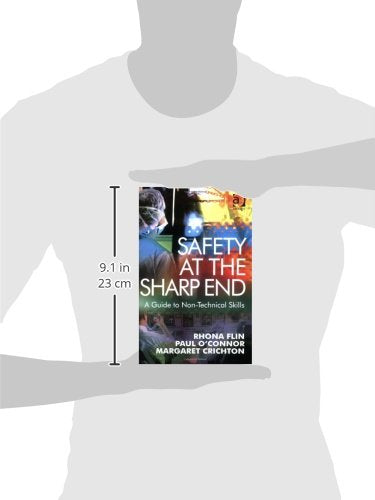
- Q: What are the dimensions of this book? A: The book measures six point fourteen inches by six point fourteen inches and is nine point twenty-one inches tall. These dimensions make it a convenient size for reading.
- Q: What type of binding does this book have? A: This book is available in paperback binding. This makes it lightweight and easy to handle.
- Q: Who is the author of this book? A: The author of 'Safety at the Sharp End' is Paul O'Connor. He brings expertise in the field of non-technical skills.
- Q: What is the main focus of 'Safety at the Sharp End'? A: The book focuses on non-technical skills crucial for safety in operations. It emphasizes the importance of Crew Resource Management skills.
- Q: Is this book suitable for undergraduate students? A: Yes, it is suitable for undergraduate and post-experience students. The material is designed for those studying human factors or industrial safety.
- Q: How can I apply the concepts from this book in my job? A: You can apply the concepts by integrating non-technical skills training into your team's operations. This can enhance safety and efficiency.
- Q: Is this book appropriate for professionals in healthcare? A: Yes, the book is relevant for healthcare professionals. It discusses the application of non-technical skills training in various sectors, including healthcare.
- Q: Can this book help improve team safety performance? A: Yes, it can improve team safety performance by teaching essential cognitive and social skills. Understanding these skills is vital for managing risks.
- Q: What safety culture elements does the book address? A: The book addresses the importance of organisational safety culture. It highlights how safety culture influences overall workplace safety.
- Q: Are there training recommendations in this book? A: Yes, the book includes recommendations for training and evaluating non-technical skills. It offers guidance for implementing effective training programs.
- Q: What industries can benefit from this book? A: Industries such as aviation and healthcare can benefit significantly from the insights in this book. It addresses safety in complex, risk-prone environments.
- Q: How does this book define Crew Resource Management? A: Crew Resource Management, or CRM, is defined as the non-technical skills essential for safe operations. It includes teamwork, communication, and decision-making.
- Q: Is there a focus on cognitive skills in the book? A: Yes, cognitive skills are a significant focus of the book. It discusses their role in enhancing operational safety and performance.
- Q: What is the target audience for this book? A: The target audience includes safety professionals, managers, and students. It is designed for anyone interested in improving safety through non-technical skills.
- Q: Does the book cover accident prevention strategies? A: Yes, it covers strategies for accident prevention. The book explains how better non-technical skills can prevent many workplace accidents.