
Title
Salt: White Gold Of The Ancient Maya (Maya Studies),Used
Sold by Ergodebooks, an authorized reseller.
Returns accepted within 30 days | support@ergodebooks.com
Shipping Information
- Free Standard Shipping — United States only
- Processing Time: 3–5 business days
- Estimated Delivery: 6–10 business days after dispatch
- Double-boxed, fully insured & discreetly packaged
- Tracking number sent via email once dispatched
Returns & Refund
Returns accepted within 30 days of delivery.
Damaged or Defective Item
Free return shipping + replacement or full refund
Wrong Item Received
Free return shipping + replacement or full refund
Change of Mind
Return shipping at customer's expense · 25% restocking fee applies
Payment Option

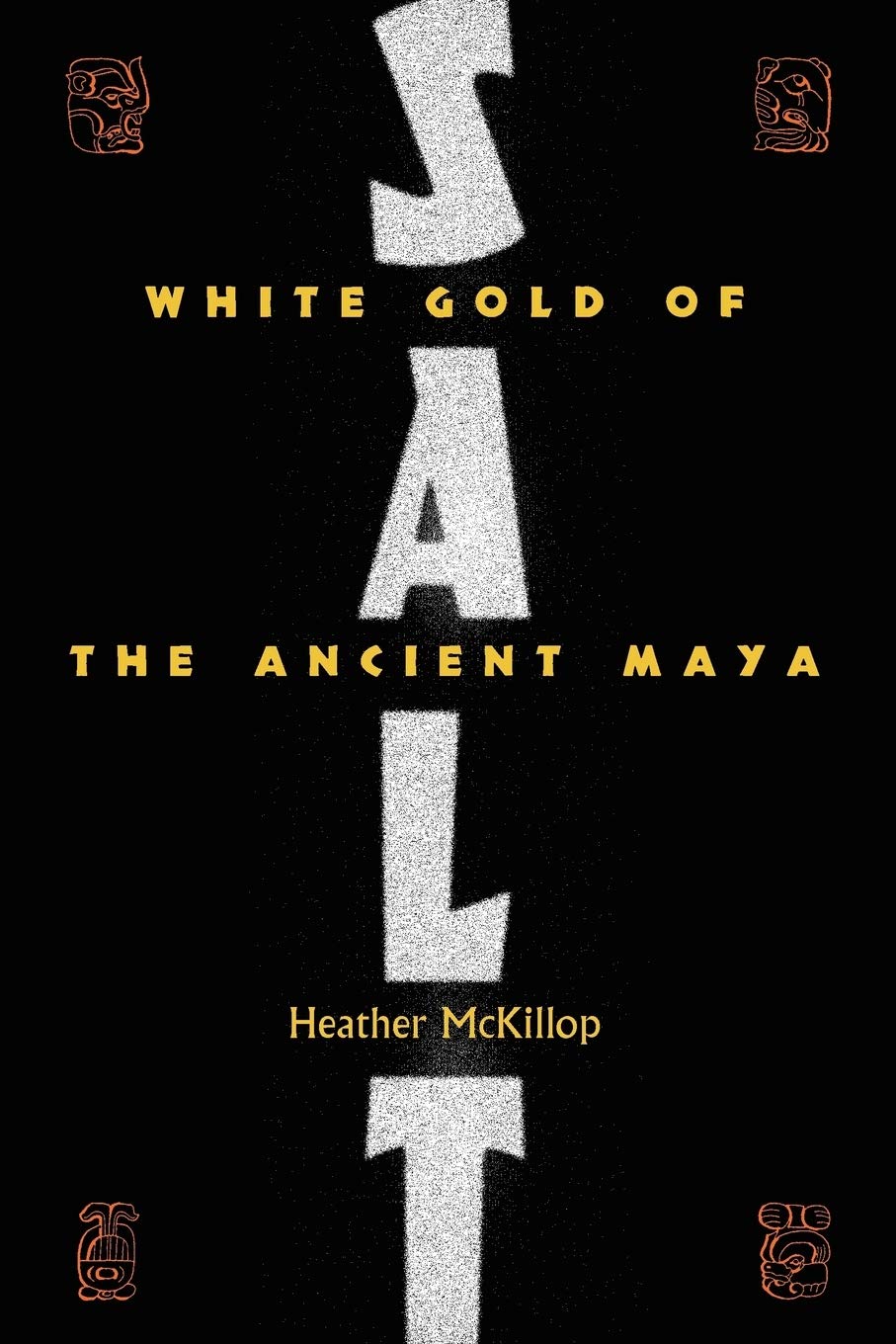
McKillop has completed a remarkable task in bringing out significant new data concerning ancient Maya salt making. The implications of environmental exploitation, technological development, and economic possibilities provide the opportunity to revisit these issues on more solid ground.'Fred Valdez Jr., University of Texas, Austin'Longaccepted ideas about Late Classic activities and the role of coastal communities in supporting Late Classic societyeven the society of Tikal and the Petenwill now have to change as the result of McKillops findings.'Elizabeth Graham, University College LondonIn Salt: White Gold of the Ancient Maya, Heather McKillop reports the discovery, excavation, and interpretation of Late Classic Maya salt works on the coast of Belize, transforming our knowledge of the Maya salt trade and craft specialization while providing new insights on sealevel rise in the Late Holocene as well.Salt, basic to human existence, was scarce in the tropical rainforests of Belize and Guatemala, where the Classic Maya civilization thrived between A.D. 300 and 900. The prevailing interpretation has been that salt was imported from the north coast of the Yucatan. However, the underwater discovery and excavation of salt works in Punta Ycacos Lagoon demonstrate that the Maya produced salt by boiling brine in pots over fires at specialized workshops on the Belizean coast. The Punta Ycacos salt works are clear evidence that craft specialization took place in a nondomestic setting and that production occurred away from the economic and political power of the urban Maya rulers, thus providing new clues to the Maya economy and sea trade.McKillop also presents new data on sealevel rise in the Late Holocene that extend geologists' and geographers' sealevel curves from earlier eras. Likewise, she enters the environmentalversuscultural debate over the Classic Maya collapse by evaluating the factors that led to the abandonment of the Punta Ycacos salt works at the end of the Classic Period, synonymous with the abandonment of inland Maya cities.Heather McKillop is associate professor of anthropology at Louisiana State University.
⚠️ WARNING (California Proposition 65):
This product may contain chemicals known to the State of California to cause cancer, birth defects, or other reproductive harm.
For more information, please visit www.P65Warnings.ca.gov.