
Title
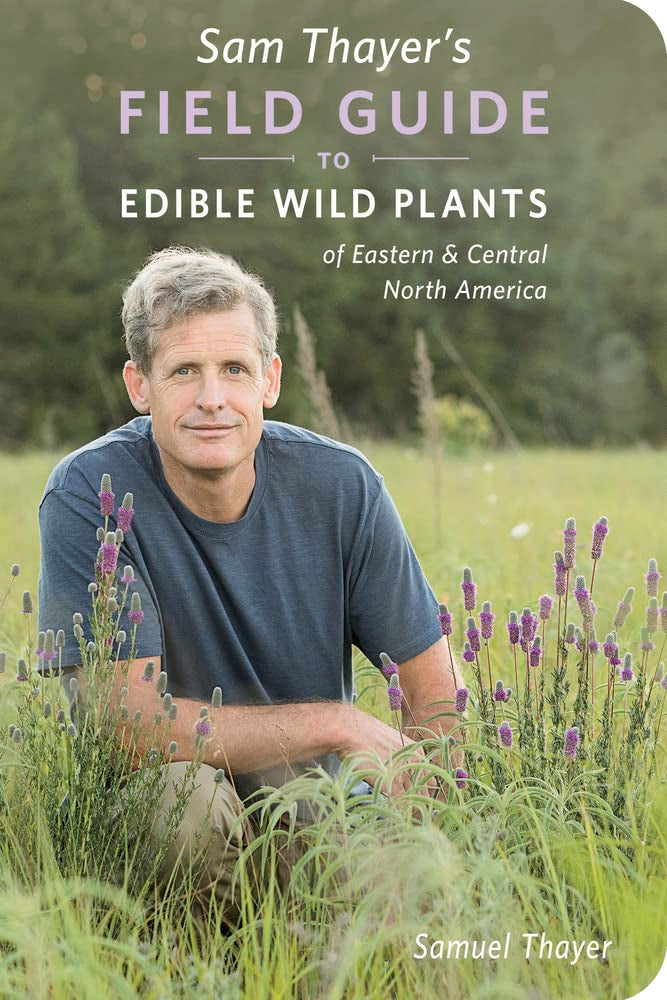
Sam Thayer'S Field Guide To Edible Wild Plants: Of Eastern And Central North America (The Sam Thayer'S Field Guides),New
Sold by Ergodebooks, an authorized reseller.
Returns accepted within 30 days | support@ergodebooks.com
Shipping Information
- Free Standard Shipping — United States only
- Processing Time: 3–5 business days
- Estimated Delivery: 6–10 business days after dispatch
- Double-boxed, fully insured & discreetly packaged
- Tracking number sent via email once dispatched
Returns & Refund
Returns accepted within 30 days of delivery.
Damaged or Defective Item
Free return shipping + replacement or full refund
Wrong Item Received
Free return shipping + replacement or full refund
Change of Mind
Return shipping at customer's expense · 25% restocking fee applies
Payment Option

Eastern North America is one of the richest foraging landscapes in the world, with a wild abundance of fruits, berries, nuts, roots, tubers, shoots, flowers, seeds, and leafy greens. This guide is the key to unlocking the nutritional and culinary secrets of the natural bounty around us. As the most comprehensive regional guide ever written, it contains detailed descriptions, range maps, and sharp color photos of 700 edible species as well as some of our most troublesome toxic plants. Sam Thayers Field Guide pioneers a novel identification system using everyday language accessible to beginning and advanced foragers alike, designed to stand alone or work with phonebased identification apps to confirm positive ID before a plant is eaten. Readers will also learn about the plants habitat, conservation, edible parts, seasons of harvest, and methods of preparation. Destined to become the new standard in foraging field guides.Please let me know if there are any changes you'd like to make to the above description and we can resend this description out in our data feed this week.
⚠️ WARNING (California Proposition 65):
This product may contain chemicals known to the State of California to cause cancer, birth defects, or other reproductive harm.
For more information, please visit www.P65Warnings.ca.gov.
- Q: What is the page count of this book? A: This book has seven hundred thirty-six pages. It provides extensive information on edible wild plants in Eastern and Central North America.
- Q: What is the binding type of this book? A: The binding type is paperback. This makes it lightweight and easy to carry for foraging trips.
- Q: What are the dimensions of this book? A: The dimensions are five point nine eight inches in length, one point four two inches in width, and nine point zero two inches in height. This size is convenient for field use.
- Q: How can I use this field guide? A: You can use this field guide to identify edible plants in the wild. It includes comprehensive descriptions and identification tips for both beginners and experienced foragers.
- Q: Is this book suitable for beginners? A: Yes, this book is suitable for beginners. It uses everyday language and a novel identification system that is easy to understand.
- Q: Can I use this guide with a phone app? A: Yes, this guide is designed to work with phone-based identification apps. It helps confirm positive identification before consuming any plant.
- Q: How should I store this book? A: Store this book in a cool, dry place to maintain its condition. Avoid exposure to direct sunlight to prevent fading of the cover and pages.
- Q: Is this guide safe for children? A: While the content is informative, adult supervision is recommended for children. It discusses both edible and toxic plants.
- Q: How do I keep this book clean? A: To keep this book clean, gently wipe the cover with a damp cloth. Avoid using harsh chemicals that could damage the material.
- Q: What is the author’s background? A: The author is Samuel Thayer, a noted expert in foraging. He has extensive knowledge of edible and wild plants in North America.
- Q: How does this guide compare to other foraging books? A: This guide is more comprehensive than many others, featuring seven hundred edible species and detailed maps. It's considered a new standard in foraging literature.
- Q: Is there a glossary or index in this book? A: Yes, there is an index included for easy navigation. This helps readers quickly find information on specific plants.
- Q: What kind of plants does this guide cover? A: This guide covers a variety of plants including fruits, berries, nuts, roots, and leafy greens. It also includes information on toxic plants.
- Q: Can I return this book if I don’t like it? A: Yes, you can typically return this book if it’s in new condition. Please check the specific return policy of the retailer.
- Q: What methods of preparation are discussed in this guide? A: The guide discusses various methods of preparation for wild plants, including cooking, drying, and preserving.