If you have any questions, you are always welcome to contact us. We'll get back to you as soon as possible, withing 24 hours on weekdays.
Customer service
All questions about your order, return and delivery must be sent to our customer service team by e-mail at yourstore@yourdomain.com
Sale & Press
If you are interested in selling our products, need more information about our brand or wish to make a collaboration, please contact us at press@yourdomain.com
Help
If you have any questions, you are always welcome to contact us. We'll get back to you as soon as possible, withing 24 hours on weekdays.
Customer service
All questions about your order, return and delivery must be sent to our customer service team by e-mail at yourstore@yourdomain.com
Sale & Press
If you are interested in selling our products, need more information about our brand or wish to make a collaboration, please contact us at press@yourdomain.com
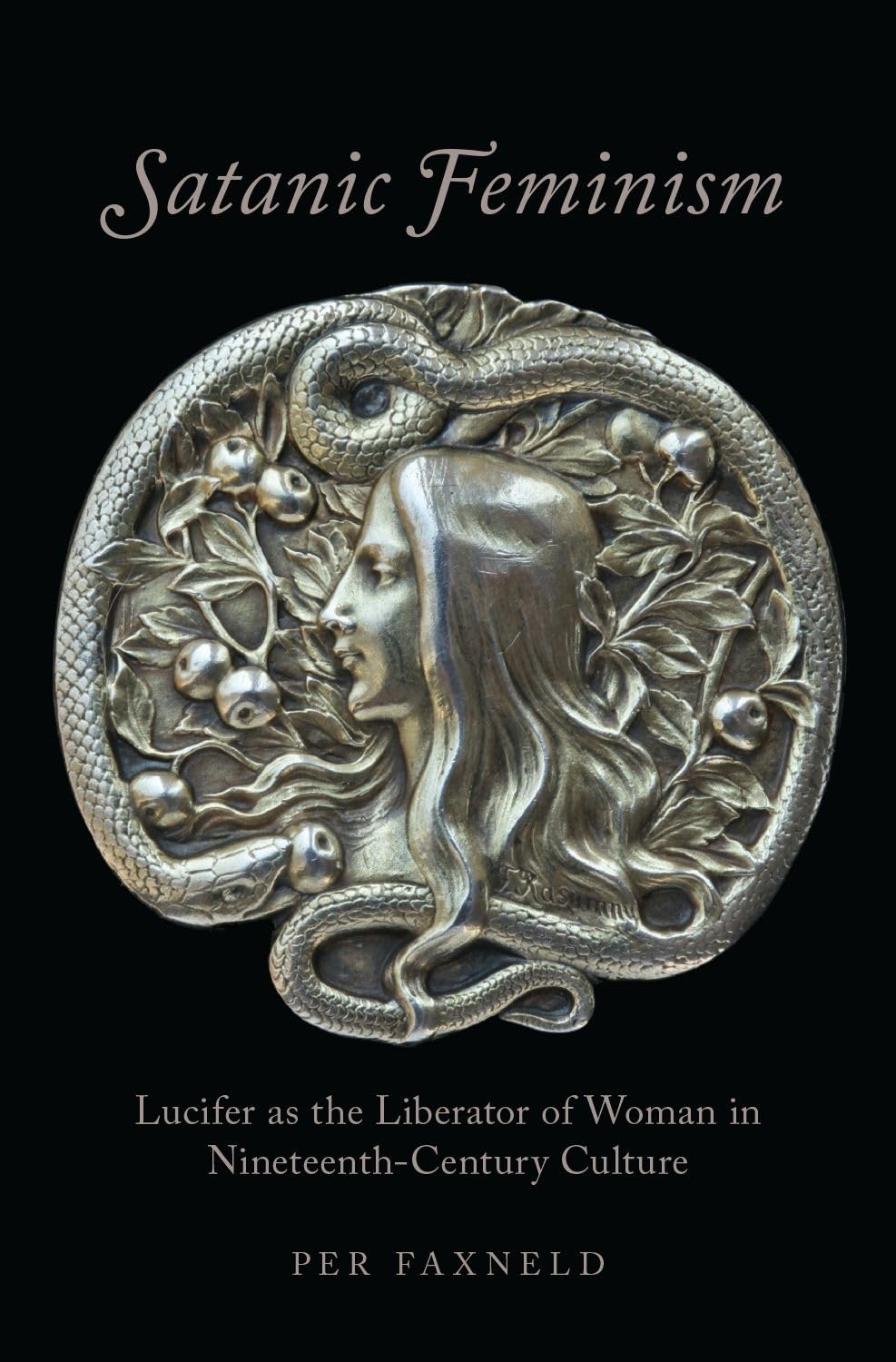
According to the Bible, Eve was the first to heed Satan's advice to eat the forbidden fruit and thus responsible for all of humanity's subsequent miseries. The notion of woman as the Devil's accomplice is prominent throughout Christian history and has been used to legitimize the subordination of wives and daughters. In the nineteenth century, rebellious females performed counterreadings of this misogynist tradition. Lucifer was reconceptualized as a feminist liberator of womankind, and Eve became a heroine. In these reimaginings, Satan is an ally in the struggle against a tyrannical patriarchy supported by God the Father and his male priests. Per Faxneld shows how this Satanic feminism was expressed in a wide variety of nineteenthcentury literary texts, autobiographies, pamphlets, newspaper articles, paintings, sculptures, and even artifacts of consumer culture like jewelry. He details how colorful figures like the suffragette Elizabeth Cady Stanton, genderbending Theosophist H. P. Blavatsky, author Aino Kallas, actress Sarah Bernhardt, anticlerical witch enthusiast Matilda Joslyn Gage, decadent marchioness Luisa Casati, and the Luciferian lesbian poetess Rene Vivien embraced these reimaginings. By exploring the connections between esotericism, literature, art and the political realm, Satanic Feminism sheds new light on neglected aspects of the intellectual history of feminism, Satanism, and revisionary mythmaking.
⚠️ WARNING (California Proposition 65):
This product may contain chemicals known to the State of California to cause cancer,
birth defects, or other reproductive harm.
For MAP (Minimum Advertised Price) violations and Intellectual Property (IP) or Trademark concerns, please contact:
support@ergodebooks.com
⚠️ California Proposition 65 Warning: Some products sold on this website may expose you to chemicals known to the State of California to cause cancer, birth defects, or other reproductive harm. For more information, visit www.P65Warnings.ca.gov.