
Title
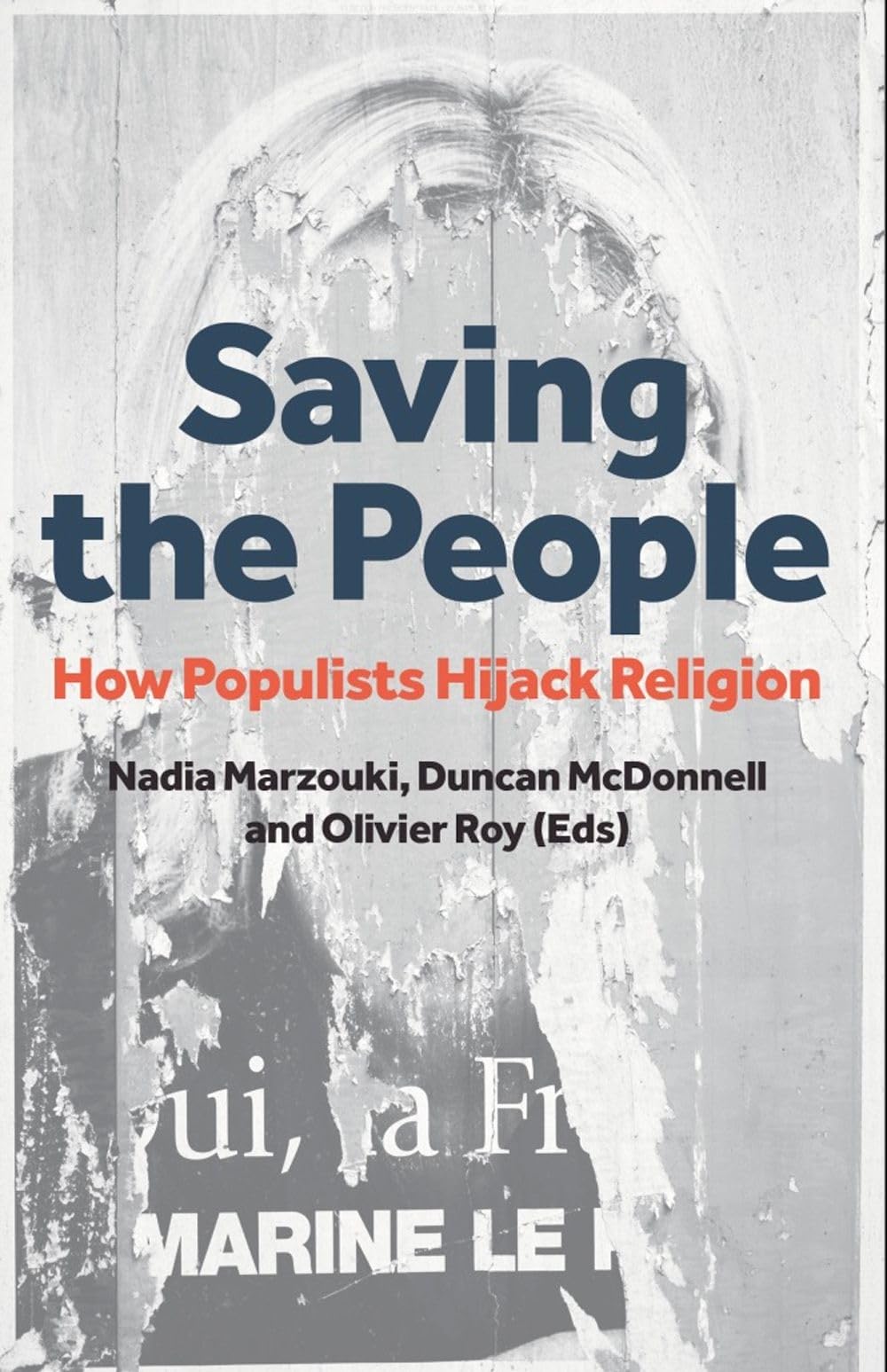
Saving The People: How Populists Hijack Religion
Sold by Ergodebooks, an authorized reseller.
Returns accepted within 30 days | support@ergodebooks.com
Shipping Information
- Free Standard Shipping — United States only
- Processing Time: 3–5 business days
- Estimated Delivery: 6–10 business days after dispatch
- Double-boxed, fully insured & discreetly packaged
- Tracking number sent via email once dispatched
Returns & Refund
Returns accepted within 30 days of delivery.
Damaged or Defective Item
Free return shipping + replacement or full refund
Wrong Item Received
Free return shipping + replacement or full refund
Change of Mind
Return shipping at customer's expense · 25% restocking fee applies
Payment Option

Western Democracies Are Experiencing A New Wave Of Rightwing Populism That Seeks To Mobilize Religion For Its Own Ends. With Chapters On The United States, Britain, France, Italy, Austria, The Netherlands, Poland And Israel, Saving The People Asks How Populist Movements Have Used Religion For Their Own Ends And How Church Leaders React To Them. The Authors Contend That Religion Is More About Belonging Than Belief For Populists, With Religious Identities And Traditions Being Deployed To Define Who Can And Cannot Be Part Of 'The People'. This In Turn Helps Many Populists To Claim That Native Christian Communities Are Being Threatened By A Creeping And Highly Aggressive Process Of Islamization, With Muslims Becoming A Key 'Enemy Of The People'. While Church Elites Generally Condemn This Instrumental Use Of Religions, Populists Take Little Heed, Presenting Themselves As The True Saviours Of The People. The Policy Implications Of This Phenomenon Are Significant, Which Makes This Book All The More Timely And Relevant To Current Debate.
⚠️ WARNING (California Proposition 65):
This product may contain chemicals known to the State of California to cause cancer, birth defects, or other reproductive harm.
For more information, please visit www.P65Warnings.ca.gov.
- Q: How many pages does this book have? A: This book has two hundred eighty-eight pages. It provides an in-depth analysis of populism and religion.
- Q: What is the binding type of this book? A: The book is available in paperback binding. This makes it lightweight and easy to handle.
- Q: What are the dimensions of the book? A: The book measures eight point five inches in length, five point thirty-nine inches in width, and zero point seventy-nine inches in height. These dimensions make it portable for reading.
- Q: What is the main theme of 'Saving the People'? A: The main theme addresses how populist movements use religion to mobilize support. It critically examines the intersection of religion and politics.
- Q: Who is the author of this book? A: The author of 'Saving the People' is Nadia Marzouki. She explores the dynamics between religion and populism.
- Q: Is this book suitable for academic study? A: Yes, this book is suitable for academic study. It provides comprehensive insights into the relationship between populism and religion, making it valuable for research.
- Q: How should I store this book? A: Store the book in a cool, dry place away from direct sunlight. This will help to preserve its quality and prevent damage.
- Q: Can I lend this book to a friend? A: Yes, you can lend this book to a friend. Just ensure it is returned in good condition to maintain its quality.
- Q: Is there a warranty for this book? A: No, there is no warranty for this book. However, it is a durable paperback edition designed for everyday reading.
- Q: What if the book arrives damaged? A: If the book arrives damaged, you should contact the seller for a return or exchange. Most sellers have policies in place for damaged items.
- Q: Is this book appropriate for young adults? A: Yes, this book is appropriate for young adults. It addresses complex themes relevant to current societal issues and encourages critical thinking.
- Q: What makes this book timely and relevant? A: The book is timely and relevant due to the rise of right-wing populism in various countries. It explores current debates on religion and politics.
- Q: How does the book address the relationship between religion and populism? A: The book examines how populists use religion as a tool to define identity and mobilize support. It analyzes responses from church leaders.
- Q: What type of audience is this book intended for? A: This book is intended for readers interested in politics, religion, and social movements. It appeals to academics, students, and general readers alike.
- Q: Does this book include case studies? A: Yes, the book includes case studies from various countries like the United States, France, and Poland. These provide real-world examples of its themes.