If you have any questions, you are always welcome to contact us. We'll get back to you as soon as possible, withing 24 hours on weekdays.
Customer service
All questions about your order, return and delivery must be sent to our customer service team by e-mail at yourstore@yourdomain.com
Sale & Press
If you are interested in selling our products, need more information about our brand or wish to make a collaboration, please contact us at press@yourdomain.com
Help
If you have any questions, you are always welcome to contact us. We'll get back to you as soon as possible, withing 24 hours on weekdays.
Customer service
All questions about your order, return and delivery must be sent to our customer service team by e-mail at yourstore@yourdomain.com
Sale & Press
If you are interested in selling our products, need more information about our brand or wish to make a collaboration, please contact us at press@yourdomain.com
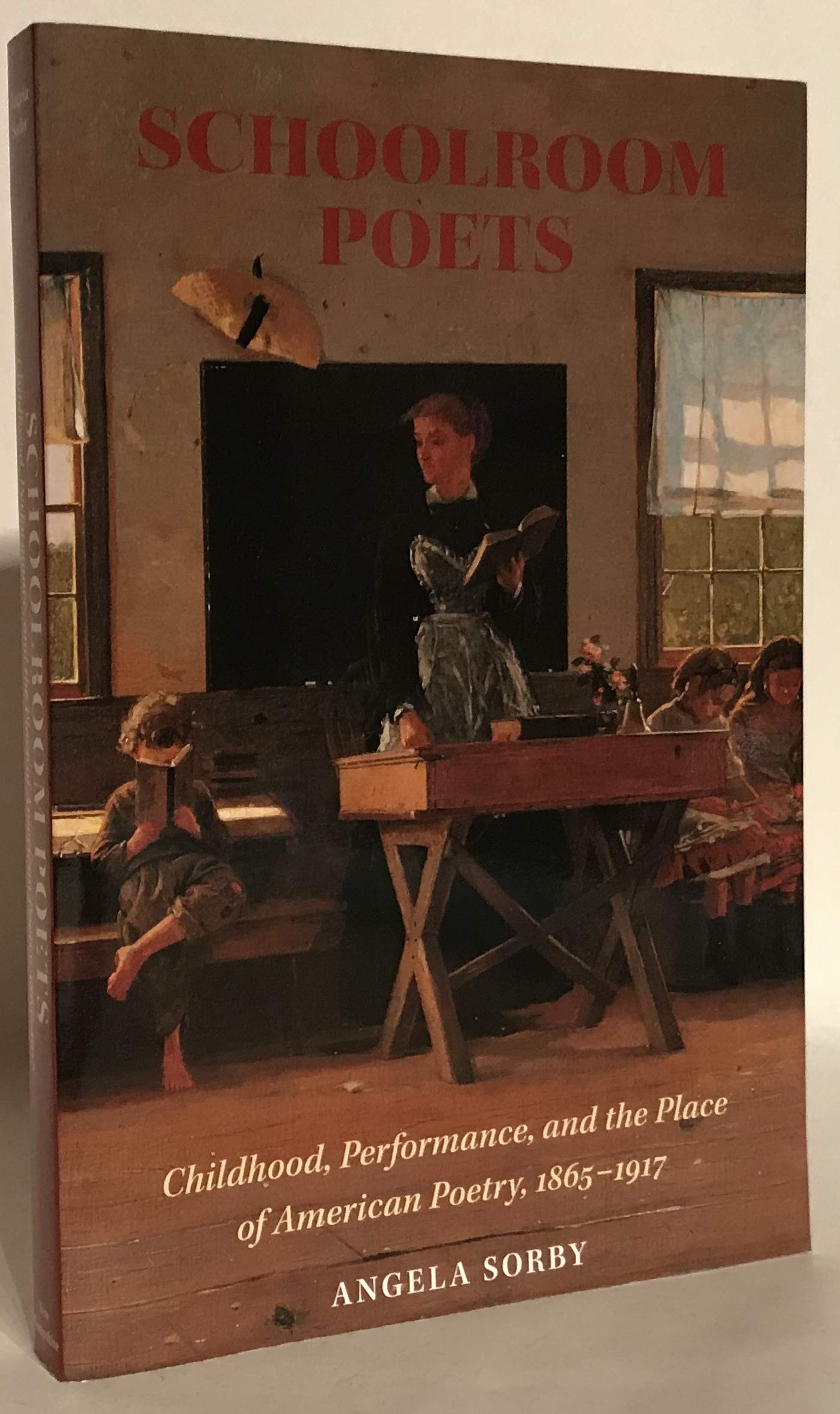
As recently as the 1960s, children across America continued to recite in schoolrooms or on auditorium stages poems of strong emotional resonance such as 'Paul Revere's Ride,' 'Little Orphan Annie,' and 'The Song of Hiawatha.' Many still remember poems with soft rhythmic cadences such as 'Wynken, Blynken, and Nod' as bedtime verse read to them by their parents.According to Angela Sorby, these and hundreds of other childoriented poems, written less for individual introspection than for public performance, became central components of American culture in the period between the Civil War and World War I. She identifies a 'schoolroom canon' that some older Americans will still recognize, composed of poems by Henry Wadsworth Longfellow, John Greenleaf Whittier, Eugene Field, James Whitcomb Riley, and others whose work was read, memorized, and repeated in pedagogical institutions nationwide. These poems, transmitted through schools, museums, lyceums, and theaters, as well as by newspapers and magazines, accrued cultural power through repetition; as they circulated, they functioned as mnemonic devices that established affective bonds between individuals, institutions, and the nation. Sorby's final chapter, on the childvoice poems of Emily Dickinson, argues that her reception history in the 1890s should be linked to the discourse of infantilization and pedagogy that dominated American popular poetry of the period and, to a great extent, continues to do so today.
⚠️ WARNING (California Proposition 65):
This product may contain chemicals known to the State of California to cause cancer,
birth defects, or other reproductive harm.
For MAP (Minimum Advertised Price) violations and Intellectual Property (IP) or Trademark concerns, please contact:
support@ergodebooks.com
⚠️ California Proposition 65 Warning: Some products sold on this website may expose you to chemicals known to the State of California to cause cancer, birth defects, or other reproductive harm. For more information, visit www.P65Warnings.ca.gov.