
Title
Schools of Asceticism: Ideology and Organization in Medieval Religious Communities,Used
Sold by Ergodebooks, an authorized reseller.
Returns accepted within 30 days | support@ergodebooks.com
Shipping Information
- Free Standard Shipping — United States only
- Processing Time: 3–5 business days
- Estimated Delivery: 6–10 business days after dispatch
- Double-boxed, fully insured & discreetly packaged
- Tracking number sent via email once dispatched
Returns & Refund
Returns accepted within 30 days of delivery.
Damaged or Defective Item
Free return shipping + replacement or full refund
Wrong Item Received
Free return shipping + replacement or full refund
Change of Mind
Return shipping at customer's expense · 25% restocking fee applies
Payment Option

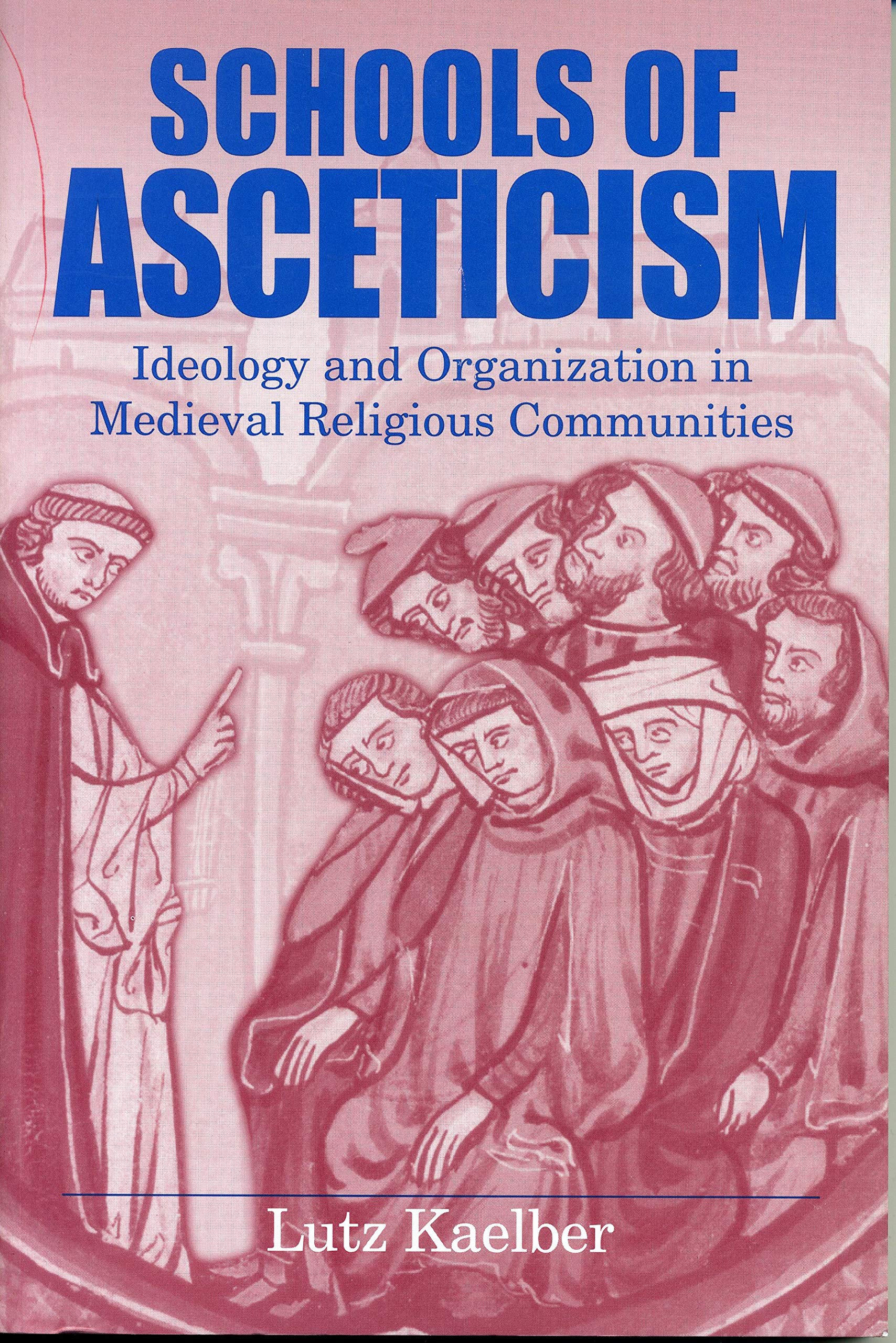
Max Weber argued that medieval religious movements were an important source for the distinctive rationality of Western civilization. He intended to study precisely this theme but died before he could do so. In Schools of Asceticism, Lutz Kaelber builds on Weber's ideas by presenting a fresh historical and theoretical analysis of orthodox and heretical religious groups in the Middle Ages. He explores how doctrine and social organization shaped ascetic conduct in these groups from the twelfth century on.Kaelber first examines monastic and mendicant groups, correcting common misperceptions about the nature of their ascetic practices and their significance for the emergence of a Protestant work ethic. Then he turns to two of the largest and most widespread heretical groups in the Middle Ages, the Waldensians and the Cathars. For the most part, Waldensians and Cathars practiced a form of "otherworldly asceticism" resembling that of monks and nuns. For the Austrian Waldensians, however, Kaelber documents a type of "innerworldly asceticism" that resembled what Weber described for early modern Protestant groups. Both types of asceticism originated in distinctive heretical establishments: Waldensian schools and Cathar "houses of heretics." As these establishments disappeared, the boundaries separating Waldensianism and Catharism from Catholicism collapsed. Kaelber is therefore able to link organizational aspects of heretical communities to the tenacity of heresy in the Middle Ages.Based on exhaustive research into both primary and secondary sources, Schools of Asceticism is a bold and original book that bridges the disciplines of comparative historical and theoretical sociology, medieval history, and religious studies.
⚠️ WARNING (California Proposition 65):
This product may contain chemicals known to the State of California to cause cancer, birth defects, or other reproductive harm.
For more information, please visit www.P65Warnings.ca.gov.