If you have any questions, you are always welcome to contact us. We'll get back to you as soon as possible, withing 24 hours on weekdays.
Customer service
All questions about your order, return and delivery must be sent to our customer service team by e-mail at yourstore@yourdomain.com
Sale & Press
If you are interested in selling our products, need more information about our brand or wish to make a collaboration, please contact us at press@yourdomain.com
Help
If you have any questions, you are always welcome to contact us. We'll get back to you as soon as possible, withing 24 hours on weekdays.
Customer service
All questions about your order, return and delivery must be sent to our customer service team by e-mail at yourstore@yourdomain.com
Sale & Press
If you are interested in selling our products, need more information about our brand or wish to make a collaboration, please contact us at press@yourdomain.com
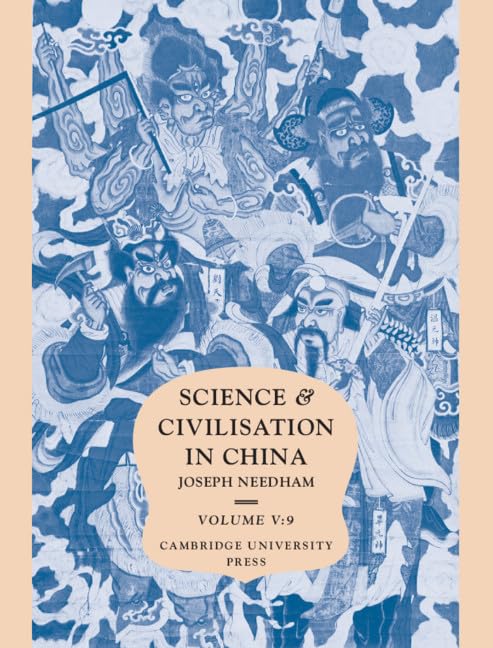
This study, the first of two parts, gives a comprehensive account of Chinese textiles and textile technology and deals with the evolution of bast fibre spinning and silkreeling in the history of China. These operations are the basic techniques in the production of yarn and thread, prerequisite to weaving, and any study of Chinese textile technology must start with the raw material obtained from fibre plants such as hemp, ramie, jute, cotton, etc, and silk reeled off from cocoons of the domestic silkworm. The timespan covered runs from the neolithic to the nineteenth century. Archaeological and pictoral evidence, the bulk of it hitherto unpublished in the West, is brought together with Chinese textual sources (which are extensively translated and interpreted) to illustrate Chinese achievements in this field. Professor Kuhn's study reveals the way in which Chinese textiletechnological inventiveness has influenced textile production in other regions of the world and in medieval Europe. It explains how textile technology reached its high point between the tenth and thirteenth centuries and attempts to indicate the reasons for its subsequent relative decline. The development of the textile industry in Europe was a key factor in the rise of capitalism. In the case of China after Sung times, textile technology and the organisation of textile labour may help indicate why such a development did not take place in China.
⚠️ WARNING (California Proposition 65):
This product may contain chemicals known to the State of California to cause cancer,
birth defects, or other reproductive harm.
For MAP (Minimum Advertised Price) violations and Intellectual Property (IP) or Trademark concerns, please contact:
support@ergodebooks.com
⚠️ California Proposition 65 Warning: Some products sold on this website may expose you to chemicals known to the State of California to cause cancer, birth defects, or other reproductive harm. For more information, visit www.P65Warnings.ca.gov.