
Title
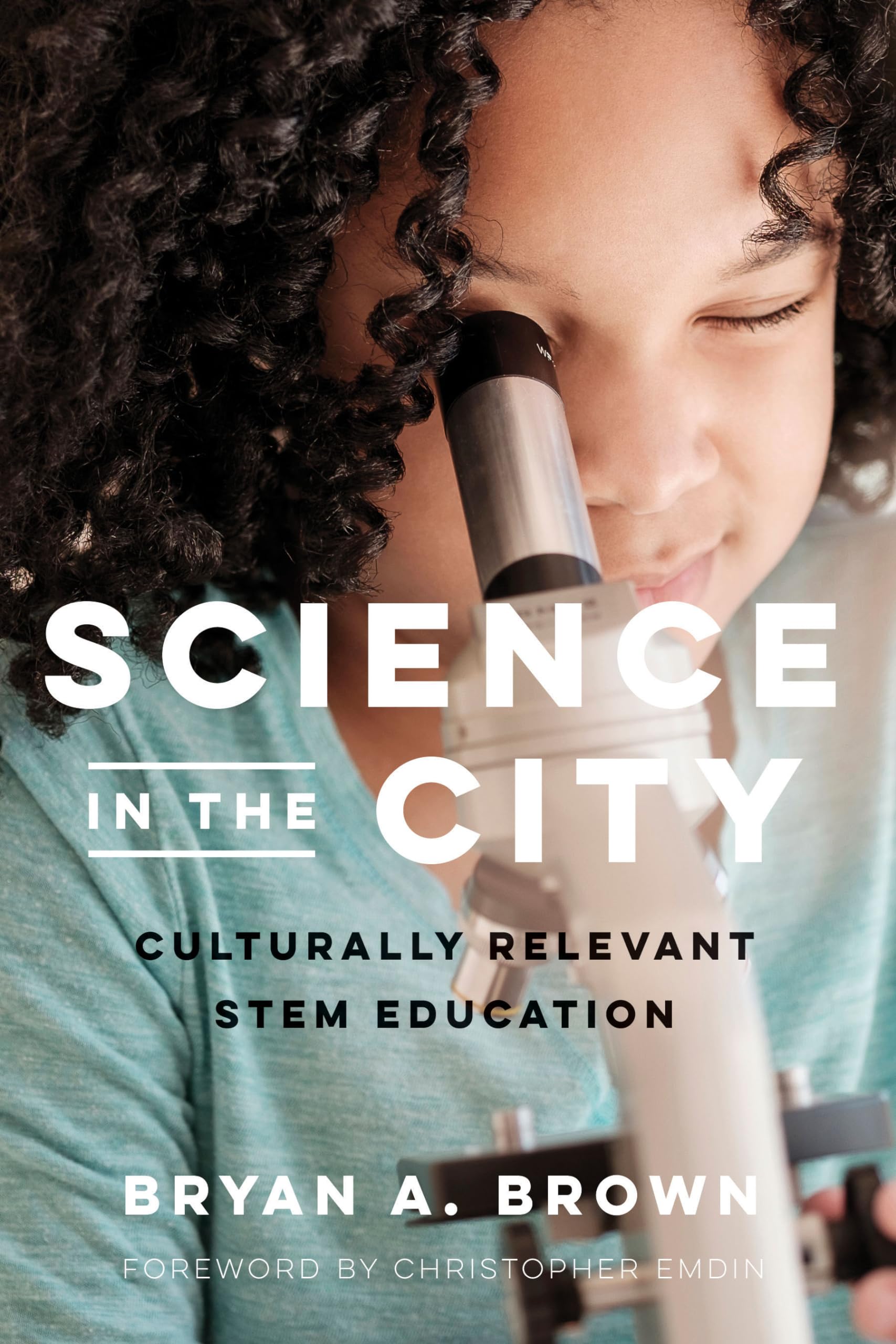
Science in the City: Culturally Relevant STEM Education (Race and Education),Used
Sold by Ergodebooks, an authorized reseller.
Returns accepted within 30 days | support@ergodebooks.com
Shipping Information
- Free Standard Shipping — United States only
- Processing Time: 3–5 business days
- Estimated Delivery: 6–10 business days after dispatch
- Double-boxed, fully insured & discreetly packaged
- Tracking number sent via email once dispatched
Returns & Refund
Returns accepted within 30 days of delivery.
Damaged or Defective Item
Free return shipping + replacement or full refund
Wrong Item Received
Free return shipping + replacement or full refund
Change of Mind
Return shipping at customer's expense · 25% restocking fee applies
Payment Option

2021 Outstanding Book Award, American Association of Colleges for Teacher Education (AACTE)Science in the City examines how language and culture matter for effective science teaching. Author Bryan A. Brown argues that, given the realities of our multilingual and multicultural society, teachers must truly understand how issues of culture intersect with the fundamental principles of learning. This book links an exploration of contemporary research on urban science teaching to a more generative instructional approach in which students develop mastery by discussing science in culturally meaningful ways.The book starts with a trenchant analysis of the black tax, a double standard at work in science language and classrooms that forces students of color to appropriate and express their science knowledge solely in ways that accord with the dominant culture and knowledge regime. Because we are in an interactive, multimedia world, the author also posits the necessity of applying what is known about best practices in science teaching to best practices in technology.The book then turns to instruction, illustrating how science education can flourish if it is connected to students backgrounds, identities, language, and culture. In this empoweredand inclusiveform of science classroom, the role of narrative is key: educators use stories and anecdotes to induct students into the realm of scientific thinking; introduce big ideas in easy, familiar terms; and prioritize explanation over mastery of symbolic systems. The result is a classroom that showcases how the use of more familiar, culturally relevant modes of communication can pave the way for improved science learning.
⚠️ WARNING (California Proposition 65):
This product may contain chemicals known to the State of California to cause cancer, birth defects, or other reproductive harm.
For more information, please visit www.P65Warnings.ca.gov.