
Title
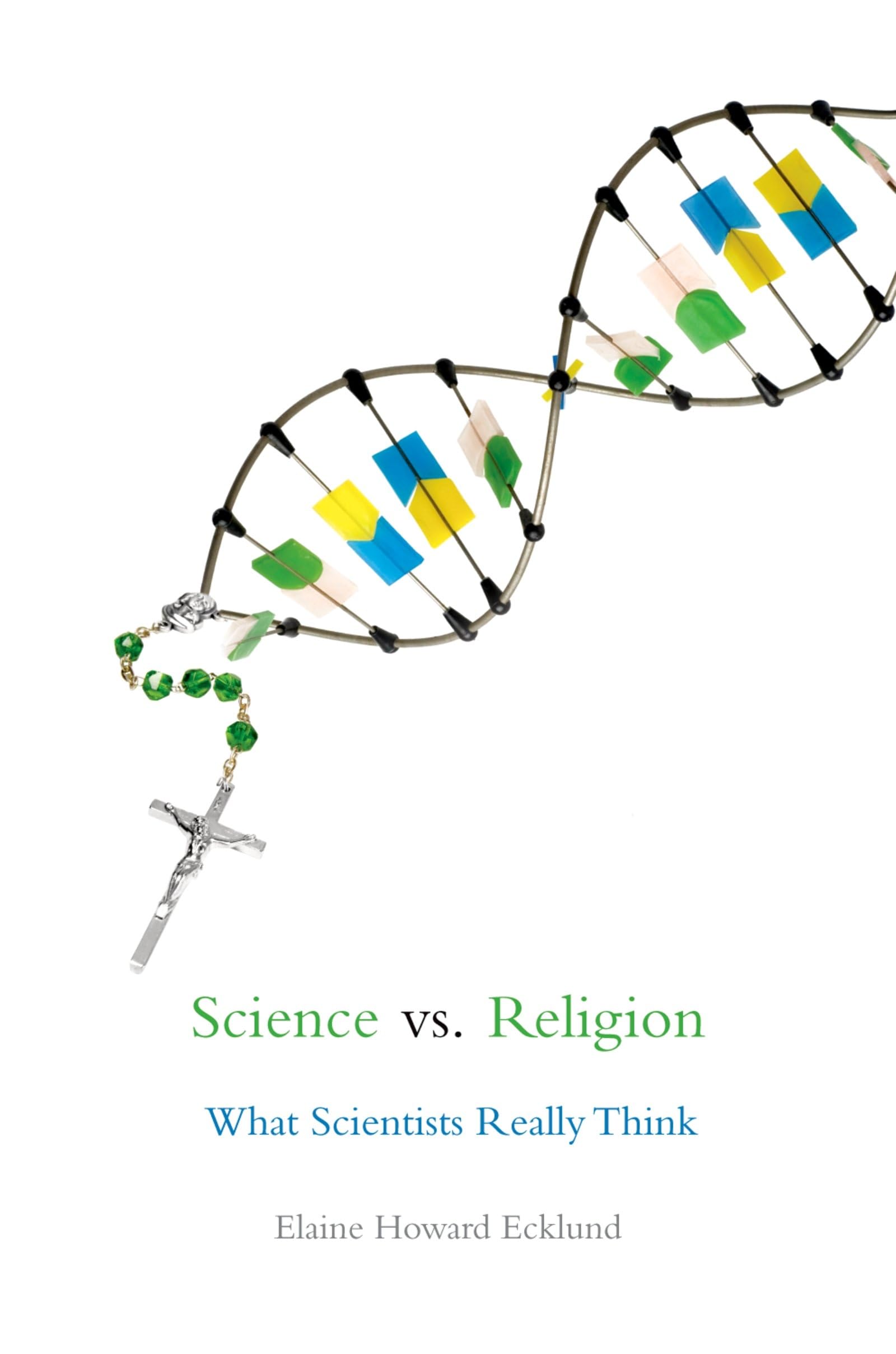
Science vs. Religion: What Scientists Really Think,New
Sold by Ergodebooks, an authorized reseller.
Returns accepted within 30 days | support@ergodebooks.com
Shipping Information
- Free Standard Shipping — United States only
- Processing Time: 3–5 business days
- Estimated Delivery: 6–10 business days after dispatch
- Double-boxed, fully insured & discreetly packaged
- Tracking number sent via email once dispatched
Returns & Refund
Returns accepted within 30 days of delivery.
Damaged or Defective Item
Free return shipping + replacement or full refund
Wrong Item Received
Free return shipping + replacement or full refund
Change of Mind
Return shipping at customer's expense · 25% restocking fee applies
Payment Option

That the longstanding antagonism between science and religion is irreconcilable has been taken for granted. And in the wake of recent controversies over teaching intelligent design and the ethics of stemcell research, the divide seems as unbridgeable as ever.In Science vs. Religion, Elaine Howard Ecklund investigates this unexamined assumption in the first systematic study of what scientists actually think and feel about religion. In the course of her research, Ecklund surveyed nearly 1,700 scientists and interviewed 275 of them. She finds that most of what we believe about the faith lives of elite scientists is wrong. Nearly 50 percent of them are religious. Many others are what she calls 'spiritual entrepreneurs,' seeking creative ways to work with the tensions between science and faith outside the constraints of traditional religion. The book centers around vivid portraits of 10 representative men and women working in the natural and social sciences at top American research universities. Ecklund's respondents run the gamut from Margaret, a chemist who teaches a Sundayschool class, to Arik, a physicist who chose not to believe in God well before he decided to become a scientist. Only a small minority are actively hostile to religion. Ecklund reveals how scientistsbelievers and skeptics alikeare struggling to engage the increasing number of religious students in their classrooms and argues that many scientists are searching for 'boundary pioneers' to cross the picket lines separating science and religion.With broad implications for education, science funding, and the thorny ethical questions surrounding stemcell research, cloning, and other cuttingedge scientific endeavors, Science vs. Religion brings a welcome dose of reality to the science and religion debates.
⚠️ WARNING (California Proposition 65):
This product may contain chemicals known to the State of California to cause cancer, birth defects, or other reproductive harm.
For more information, please visit www.P65Warnings.ca.gov.
- Q: What is the main theme of 'Science vs. Religion: What Scientists Really Think'? A: The main theme of the book is to explore the complex relationship between science and religion, challenging the assumption that they are irreconcilable. The author investigates what scientists actually think and feel about religion based on surveys and interviews.
- Q: Who is the author of this book? A: The author of 'Science vs. Religion: What Scientists Really Think' is Elaine Howard Ecklund, who conducted extensive research involving nearly 1,700 scientists.
- Q: What type of research methods did the author use? A: Elaine Howard Ecklund utilized both surveys and interviews as her research methods, surveying nearly 1,700 scientists and conducting interviews with 275 of them.
- Q: What are some key findings from the book? A: Key findings include that nearly 50 percent of elite scientists identify as religious, and many are 'spiritual entrepreneurs' who seek to harmonize science and faith.
- Q: How many pages does this book have? A: The book 'Science vs. Religion' contains 240 pages.
- Q: What format is the book available in? A: The book is available in paperback format.
- Q: When was this book published? A: The book was published on December 1, 2012.
- Q: Is this book suitable for those interested in science education? A: Yes, the book discusses implications for education, science funding, and ethical questions, making it relevant for those interested in science education.
- Q: What is the condition of the book? A: The book is in new condition.
- Q: What genre does this book belong to? A: The book falls under the category of Science & Religion.