
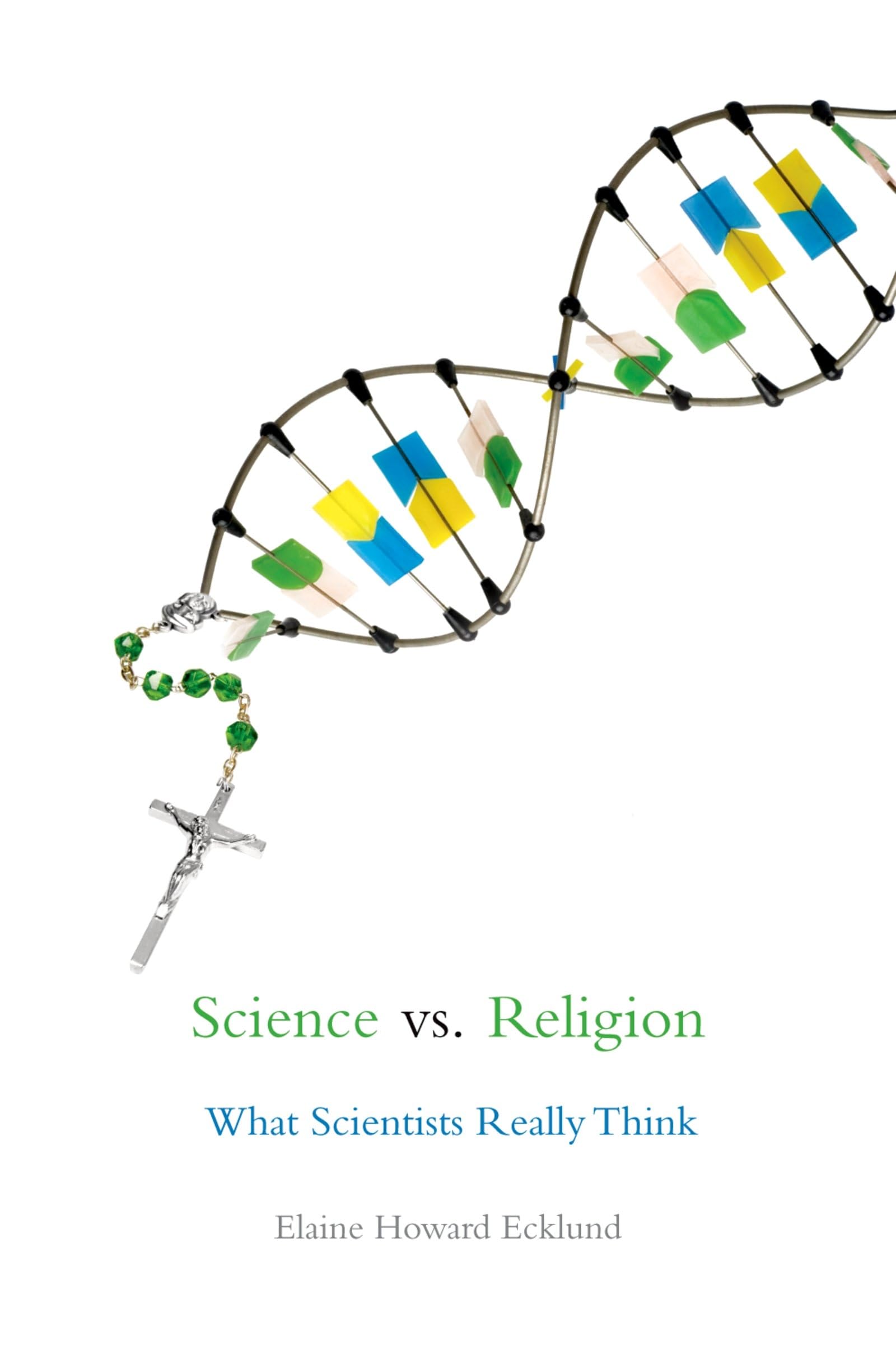
Title
Science Vs. Religion: What Scientists Really Think,Used
Sold by Ergodebooks, an authorized reseller.
Returns accepted within 30 days | support@ergodebooks.com
Shipping Information
- Free Standard Shipping — United States only
- Processing Time: 3–5 business days
- Estimated Delivery: 6–10 business days after dispatch
- Double-boxed, fully insured & discreetly packaged
- Tracking number sent via email once dispatched
Returns & Refund
Returns accepted within 30 days of delivery.
Damaged or Defective Item
Free return shipping + replacement or full refund
Wrong Item Received
Free return shipping + replacement or full refund
Change of Mind
Return shipping at customer's expense · 25% restocking fee applies
Payment Option

That The Longstanding Antagonism Between Science And Religion Is Irreconcilable Has Been Taken For Granted. And In The Wake Of Recent Controversies Over Teaching Intelligent Design And The Ethics Of Stemcell Research, The Divide Seems As Unbridgeable As Ever.In Science Vs. Religion, Elaine Howard Ecklund Investigates This Unexamined Assumption In The First Systematic Study Of What Scientists Actually Think And Feel About Religion. In The Course Of Her Research, Ecklund Surveyed Nearly 1,700 Scientists And Interviewed 275 Of Them. She Finds That Most Of What We Believe About The Faith Lives Of Elite Scientists Is Wrong. Nearly 50 Percent Of Them Are Religious. Many Others Are What She Calls 'Spiritual Entrepreneurs,' Seeking Creative Ways To Work With The Tensions Between Science And Faith Outside The Constraints Of Traditional Religion. The Book Centers Around Vivid Portraits Of 10 Representative Men And Women Working In The Natural And Social Sciences At Top American Research Universities. Ecklund'S Respondents Run The Gamut From Margaret, A Chemist Who Teaches A Sundayschool Class, To Arik, A Physicist Who Chose Not To Believe In God Well Before He Decided To Become A Scientist. Only A Small Minority Are Actively Hostile To Religion. Ecklund Reveals How Scientistsbelievers And Skeptics Alikeare Struggling To Engage The Increasing Number Of Religious Students In Their Classrooms And Argues That Many Scientists Are Searching For 'Boundary Pioneers' To Cross The Picket Lines Separating Science And Religion.With Broad Implications For Education, Science Funding, And The Thorny Ethical Questions Surrounding Stemcell Research, Cloning, And Other Cuttingedge Scientific Endeavors, Science Vs. Religion Brings A Welcome Dose Of Reality To The Science And Religion Debates.
⚠️ WARNING (California Proposition 65):
This product may contain chemicals known to the State of California to cause cancer, birth defects, or other reproductive harm.
For more information, please visit www.P65Warnings.ca.gov.
- Q: How many pages does the book have? A: The book has two hundred forty pages. This length allows for an in-depth exploration of the relationship between science and religion.
- Q: What is the binding type of this book? A: The book is paperback bound. This makes it lightweight and easy to handle, suitable for casual reading.
- Q: What are the dimensions of the book? A: The book measures six inches in length, zero point seventy-one inches in width, and nine point one inches in height. These dimensions make it a convenient size for carrying.
- Q: Who is the author of this book? A: The author is Elaine Howard Ecklund. She is known for her research on the intersection of science and religion.
- Q: What is the genre of this book? A: The book falls under the Science and Religion genre. It addresses the complex relationship between these two fields.
- Q: Is this book suitable for young readers? A: Yes, the book is suitable for mature young readers. It discusses themes that may be more complex but are important for understanding science and faith.
- Q: How do I read this book effectively? A: To read this book effectively, take notes on key themes and arguments presented. Engaging with the content through discussion can deepen understanding.
- Q: Is there a specific target audience for this book? A: Yes, the book targets both scientists and those interested in the science-religion debate. It appeals to a broad audience, including educators and students.
- Q: What themes are covered in the book? A: The book covers themes such as the beliefs of scientists, the interaction between faith and science, and the ethical implications of scientific research. These themes provide a comprehensive view of the topic.
- Q: How should I store this book? A: Store the book in a cool, dry place to prevent damage. Keeping it on a bookshelf upright can help maintain its condition.
- Q: Can this book be used as a reference for academic work? A: Yes, this book can be used as a reference for academic work. It includes research findings and interviews that provide valuable insights.
- Q: What should I do if the book arrives damaged? A: If the book arrives damaged, you should contact the seller for a return or replacement. Most sellers have policies in place for such issues.
- Q: Is there a warranty for this book? A: No, there is typically no warranty for books. However, check with the seller for their specific return policies.
- Q: What kind of discussions can this book prompt? A: This book can prompt discussions about the relationship between faith and scientific inquiry. It encourages critical thinking about both perspectives.
- Q: Are there any notable interviews in the book? A: Yes, the book includes interviews with two hundred seventy-five scientists. These interviews provide personal insights into their views on religion.
- Q: Is this book considered a scholarly resource? A: Yes, it is considered a scholarly resource due to its systematic study and extensive research. It is suitable for academic inquiry.