
Title
Scientific Writing = Thinking in Words,Used
Sold by Ergodebooks, an authorized reseller.
Returns accepted within 30 days | support@ergodebooks.com
Shipping Information
- Free Standard Shipping — United States only
- Processing Time: 3–5 business days
- Estimated Delivery: 6–10 business days after dispatch
- Double-boxed, fully insured & discreetly packaged
- Tracking number sent via email once dispatched
Returns & Refund
Returns accepted within 30 days of delivery.
Damaged or Defective Item
Free return shipping + replacement or full refund
Wrong Item Received
Free return shipping + replacement or full refund
Change of Mind
Return shipping at customer's expense · 25% restocking fee applies
Payment Option

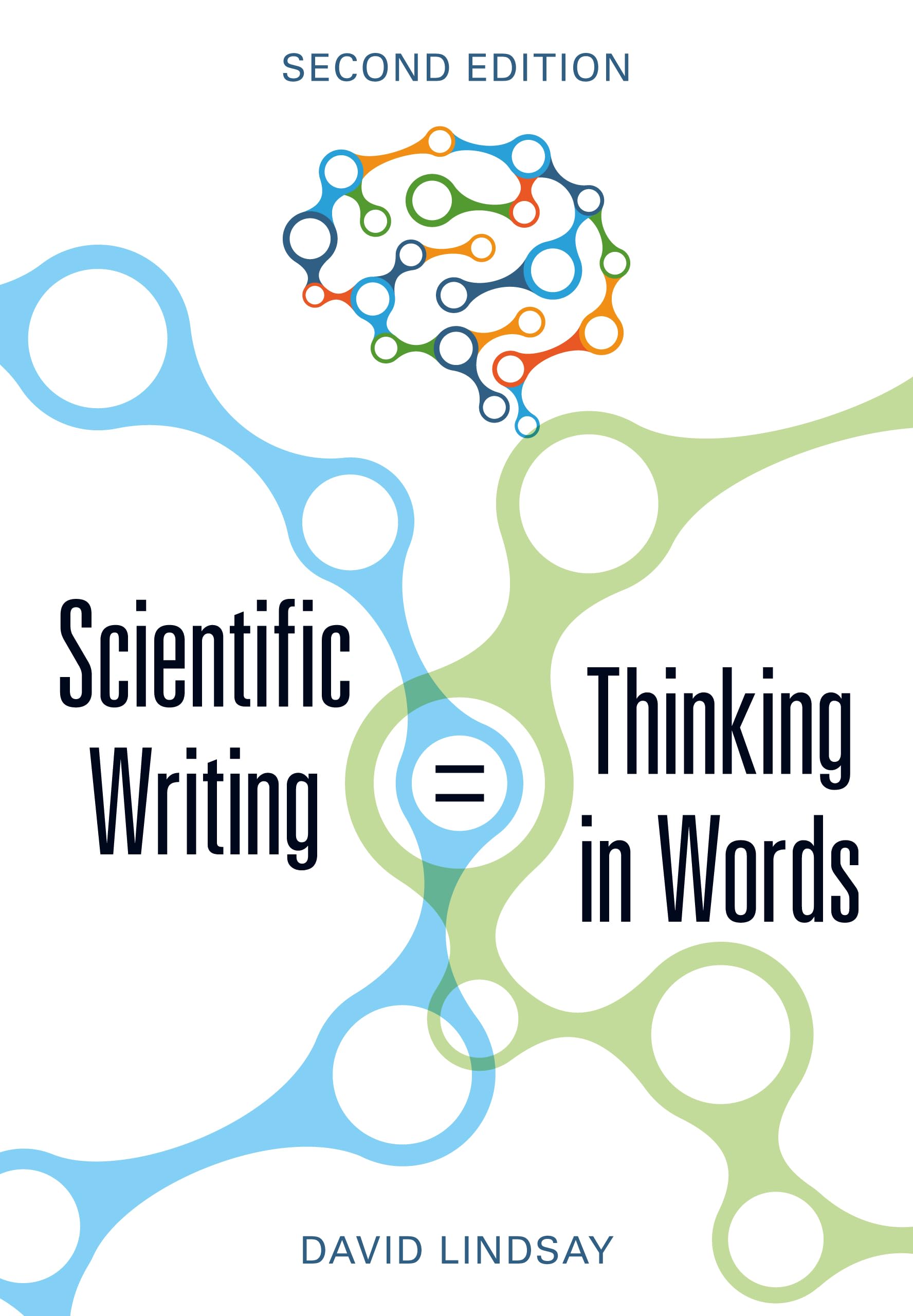
Telling people about research is just as important as doing it. But many competent researchers are wary of scientific writing, despite its importance for sharpening scientific thinking, advancing their career, obtaining funding for their work and growing the prestige of their institution.This second edition of David Lindsays popular book Scientific Writing = Thinking in Words presents a way of thinking about writing that builds on the way good scientists think about research. The simple principles in this book will help you to clarify the objectives of your work and present your results with impact. Fully updated throughout, with practical examples of good and bad writing, an expanded chapter on writing for nonscientists and a new chapter on writing grant applications, this book makes communicating research easier and encourages researchers to write confidently.It is an ideal reference for researchers preparing journal articles, posters, conference presentations, reviews and popular articles; for students preparing theses; and for researchers whose first language is not English. Makes it easy to understand what goes where in scientific publications and, equally importantly, why Reinforces principles with examples of good and bad writing Addresses new issues for publishing, including open access and predatory journals Emphasizes writing effectively in other media that scientists must use, including conference papers, posters, theses, reviews, popular articles and grant applications Explains the principles behind writing and how it affects readers rather than proposing recipes for good writing
⚠️ WARNING (California Proposition 65):
This product may contain chemicals known to the State of California to cause cancer, birth defects, or other reproductive harm.
For more information, please visit www.P65Warnings.ca.gov.