If you have any questions, you are always welcome to contact us. We'll get back to you as soon as possible, withing 24 hours on weekdays.
Customer service
All questions about your order, return and delivery must be sent to our customer service team by e-mail at yourstore@yourdomain.com
Sale & Press
If you are interested in selling our products, need more information about our brand or wish to make a collaboration, please contact us at press@yourdomain.com
Help
If you have any questions, you are always welcome to contact us. We'll get back to you as soon as possible, withing 24 hours on weekdays.
Customer service
All questions about your order, return and delivery must be sent to our customer service team by e-mail at yourstore@yourdomain.com
Sale & Press
If you are interested in selling our products, need more information about our brand or wish to make a collaboration, please contact us at press@yourdomain.com
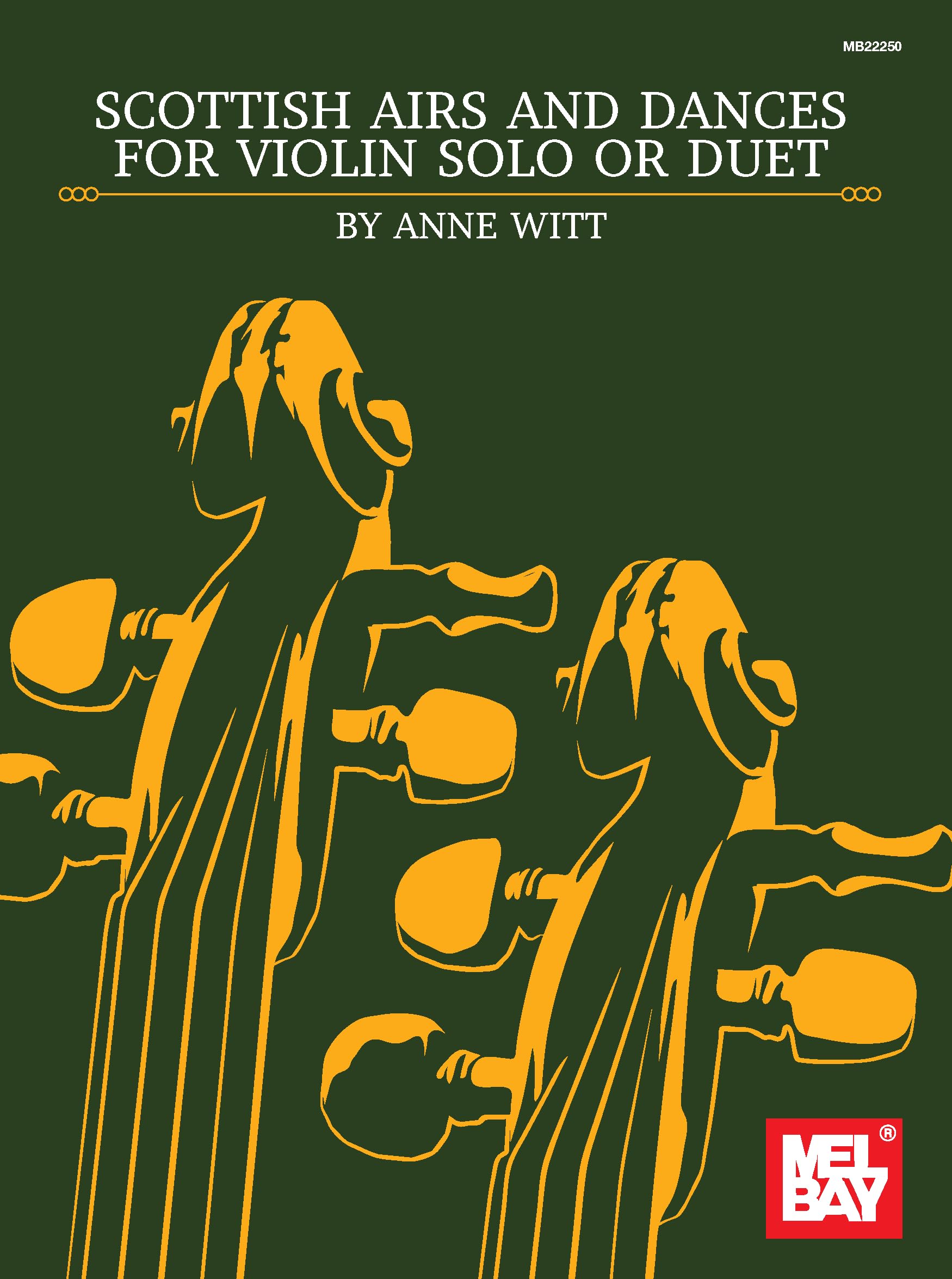
The twentyfive pieces in this collection date back to eighteenth and nineteenth century Scotland. Music was passed around among professional and amateur musicians, hand copied, and ended up in slightly different versions in many collections. The Airs were originally songs or for solo violin. The Dances strathspeys, reels, jigs, a hornpipe, and the sword dance were originally for fiddle or bagpipe. The book is arranged as a program from beginning to end from sunrise, with Ossianss Hymn to the Sun, to sunset, with the lullaby O, Can Ye Sew Cushions. And no Scottish evening is complete without Auld Lang Syne as a finale. But one can, of course, choose to play a selection. Three of the airs are Gaelic songs. Others are tunes for which Robert Burns and other poets wrote lyrics. Two airs were composed for the violin Neil Gows Lament for the Death of His Second Wife and the anonymous Killiecrankie,. The dances were played by fiddlers or pipers. They played (and still play) many of the same pieces. One example is Gillie Callum, the sword dance. Originally a bagpipe tune, its range was expanded beyond the pipes nine notes and it became a fiddle tune. The composers are anonymous except for pieces by Niel Gow (17271807), his son, Nathaniel Gow (1763 1831) and William Marshall (17481833). Niel Gow was the preeminent violinist of his day. All three composed many fiddle tunes for Scottish country dancing.
⚠️ WARNING (California Proposition 65):
This product may contain chemicals known to the State of California to cause cancer,
birth defects, or other reproductive harm.
For MAP (Minimum Advertised Price) violations and Intellectual Property (IP) or Trademark concerns, please contact:
support@ergodebooks.com
⚠️ California Proposition 65 Warning: Some products sold on this website may expose you to chemicals known to the State of California to cause cancer, birth defects, or other reproductive harm. For more information, visit www.P65Warnings.ca.gov.