
Title
Scripting Hitchcock: Psycho, The Birds, And Marnie,New
Sold by Ergodebooks, an authorized reseller.
Returns accepted within 30 days | support@ergodebooks.com
Shipping Information
- Free Standard Shipping — United States only
- Processing Time: 3–5 business days
- Estimated Delivery: 6–10 business days after dispatch
- Double-boxed, fully insured & discreetly packaged
- Tracking number sent via email once dispatched
Returns & Refund
Returns accepted within 30 days of delivery.
Damaged or Defective Item
Free return shipping + replacement or full refund
Wrong Item Received
Free return shipping + replacement or full refund
Change of Mind
Return shipping at customer's expense · 25% restocking fee applies
Payment Option

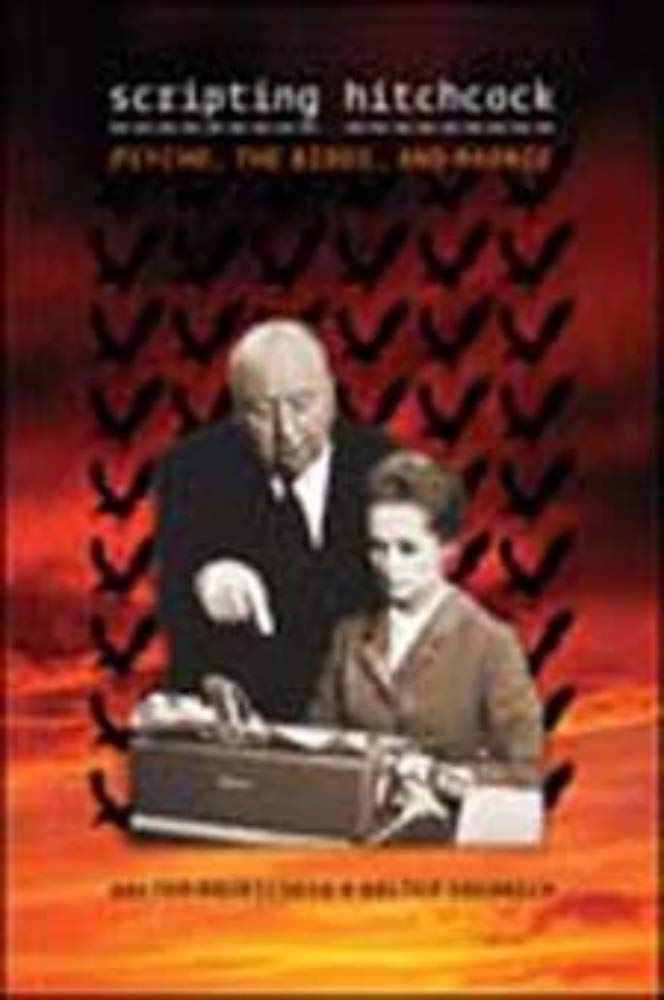
Scripting Hitchcock Explores The Collaborative Process Between Alfred Hitchcock And The Screenwriters He Hired To Write The Scripts For Three Of His Greatest Films: Psycho, The Birds, And Marnie. Drawing From Extensive Interviews With The Screenwriters And Other Film Technicians Who Worked For Hitchcock, Walter Raubicheck And Walter Srebnick Illustrate How Much Of The Filmmaking Process Took Place Not On The Set Or In Front Of The Camera, But In The Adaptation Of The Sources, The Mutual Creation Of Plot And Characters By The Director And The Writers, And The Various Revisions Of The Written Texts Of The Films.Hitchcock Allowed His Writers A Great Deal Of Creative Freedom, Which Resulted In Dynamic Screenplays That Expanded Traditional Narrative And Defied Earlier Conventions. Critically Examining The Question Of Authorship In Film, Raubicheck And Srebnick Argue That Hitchcock Did Establish Visual And Narrative Priorities For His Writers, But His Role In The Writing Process Was That Of An Editor. While The Writers And Their Contributions Have Generally Been Underappreciated, This Study Reveals That All The Dialogue And Much Of The Narrative Structure Of The Films Were The Work Of Screenwriters Jay Presson Allen, Joseph Stefano, And Evan Hunter. The Writers Also Shaped American Cultural Themes Into Material Specifically For Actors Such As Janet Leigh, Tippi Hedren, And Tony Perkins. This Volume Gives Due Credit To Those Writers Who Gave Narrative Form To Hitchcock'S Filmic Vision.
⚠️ WARNING (California Proposition 65):
This product may contain chemicals known to the State of California to cause cancer, birth defects, or other reproductive harm.
For more information, please visit www.P65Warnings.ca.gov.
- Q: How many pages does this book have? A: This book has one hundred thirty-one pages. It provides an in-depth analysis of Alfred Hitchcock's collaboration with screenwriters.
- Q: What is the binding type of this book? A: This book is paperback bound. This makes it lightweight and portable, ideal for readers who prefer easy handling.
- Q: What are the dimensions of this book? A: The book measures eight point nine inches in length, six inches in width, and zero point six inches in height. These dimensions make it a convenient size for reading.
- Q: Who are the authors of this book? A: The authors of this book are Walter Raubicheck and Walter Srebnick. They have extensively researched Hitchcock's collaborations with screenwriters.
- Q: What genre does this book belong to? A: This book belongs to the Performing Arts genre. It focuses on film studies and the screenplay writing process in cinema.
- Q: How do I read this book? A: You can read this book like any other paperback. It is designed for casual reading and study, making it suitable for film enthusiasts.
- Q: Is this book suitable for beginners in film studies? A: Yes, this book is suitable for beginners. It provides an accessible look at Hitchcock's work and the screenwriters' contributions.
- Q: Can I use this book for academic purposes? A: Yes, this book can be used for academic purposes. It offers valuable insights into film authorship and screenplay development.
- Q: How do I keep this book in good condition? A: To keep this book in good condition, store it in a cool, dry place away from direct sunlight. Avoid bending the spine when reading.
- Q: What is the recommended storage for this book? A: The recommended storage is on a bookshelf or in a bookcase. This helps maintain its shape and prevents damage.
- Q: Is this book safe for children? A: Yes, this book is generally safe for older children. However, parental guidance is recommended due to thematic content.
- Q: What if the book arrives damaged? A: If the book arrives damaged, you should contact the seller for a return or replacement. Most sellers offer a satisfaction guarantee.
- Q: Can I return this book if I don’t like it? A: Yes, you can return this book if you don't like it. Check the seller's return policy for specific details on the process.
- Q: Does this book include interviews with screenwriters? A: Yes, the book includes extensive interviews with screenwriters. These interviews provide firsthand insights into the creative process.
- Q: What themes are explored in this book? A: This book explores themes of authorship, collaboration, and narrative structure in Hitchcock's films. It highlights the contributions of individual screenwriters.
- Q: Is the book well-researched? A: Yes, this book is well-researched. The authors conducted extensive interviews and drew from various sources related to Hitchcock's filmmaking.