
Title
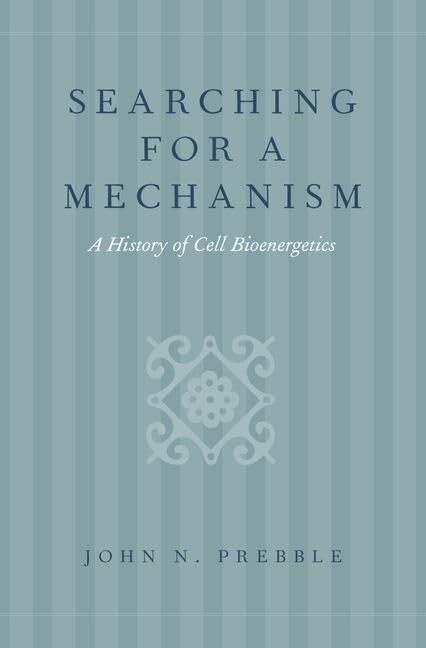
Searching for a Mechanism: A History of Cell Bioenergetics,Used
Sold by Ergodebooks, an authorized reseller.
Returns accepted within 30 days | support@ergodebooks.com
Shipping Information
- Free Standard Shipping — United States only
- Processing Time: 3–5 business days
- Estimated Delivery: 6–10 business days after dispatch
- Double-boxed, fully insured & discreetly packaged
- Tracking number sent via email once dispatched
Returns & Refund
Returns accepted within 30 days of delivery.
Damaged or Defective Item
Free return shipping + replacement or full refund
Wrong Item Received
Free return shipping + replacement or full refund
Change of Mind
Return shipping at customer's expense · 25% restocking fee applies
Payment Option

Searching for a Mechanism traces the history of cell bioenergetics from the early notions of science in the Enlightenment through to the end of the twentieth century. Author John N. Prebble's treatment of this history falls into five periods, from the 1600's to the present day. The "bioenergetics revolution" has long been overlooked because it occurred simultaneously as the other major biological revolution of the twentieth century: the development of molecular biology. This book aims to provide the first thorough history of bioenergetics. The story of cell bioenergetics is primarily concerned with the synthesis of ATP (adenosine triphosphate), sometimes referred to as the energy currency of the cell. In fact the term 'bioenergetics' was probably not introduced into the field until Albert SzentGyorgyi published a small book under that title in 1957.Despite the twentieth century focus of the subject matter, the history of this field commences with the work of those in the seventeenth century who sought to understand the process of breathing and passes through metabolic biochemistry concluding with the elucidation of the molecular mechanisms of key enzymes in bioenergetics. Although the story of metabolic biochemistry (which is often taken to include bioenergetics) essentially belongs to the twentieth century, progress in this area cannot be understood without recourse to previous centuries. Thus from the seventeenth century onwards it is possible to trace a path of early thinking which eventually laid the ground work for the dramatic success of twentieth century studies.
⚠️ WARNING (California Proposition 65):
This product may contain chemicals known to the State of California to cause cancer, birth defects, or other reproductive harm.
For more information, please visit www.P65Warnings.ca.gov.