If you have any questions, you are always welcome to contact us. We'll get back to you as soon as possible, withing 24 hours on weekdays.
Customer service
All questions about your order, return and delivery must be sent to our customer service team by e-mail at yourstore@yourdomain.com
Sale & Press
If you are interested in selling our products, need more information about our brand or wish to make a collaboration, please contact us at press@yourdomain.com
Help
If you have any questions, you are always welcome to contact us. We'll get back to you as soon as possible, withing 24 hours on weekdays.
Customer service
All questions about your order, return and delivery must be sent to our customer service team by e-mail at yourstore@yourdomain.com
Sale & Press
If you are interested in selling our products, need more information about our brand or wish to make a collaboration, please contact us at press@yourdomain.com
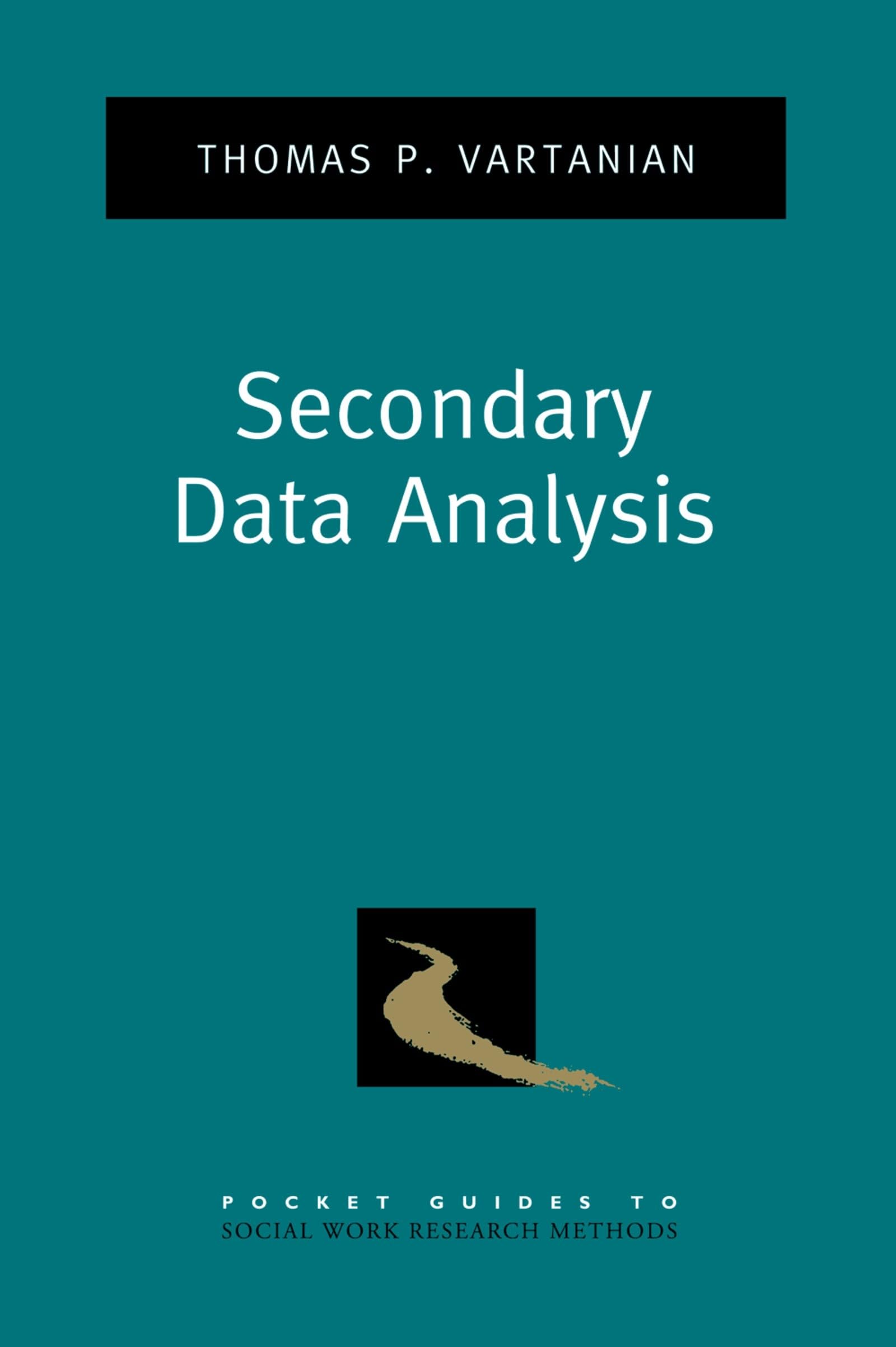
In recent decades, social work and other social science research disciplines have become increasingly reliant on large secondary data sets, which have increased in both number and accessibility. When starting a new research project, how does one determine whether to use a secondary data set? Which of the thousands available should be used? This invaluable and expertly written guide provides an indepth introduction to 29 of the most widely used data sets in social work, such as the Early Childhood Longitudinal Study, the National Health and Nutrition Examination Survey, and the U.S. Census. This book also examines the years covered by these crosssectional and longitudinal data sets, the units of analysis, and the sample sizes.Readers will learn where to find the data and the key variables contained within, and how to use them in SAS and Stata. Screen shots guide researchers through data sets in a stepbystep process: how to download the data, how to merge it with other data sets, and how to program it when necessary. Each section also profiles studies that have used the respective data sets, giving researchers a clear feel for the depth and range of questions that a given data source can be used to answer, like the use of government data to explore issues ranging from pathways out of poverty to the relationship between marital dissolution and women's health and wellbeing.Exceptionally well calibrated and filled with realworld examples, this pocket guide will give beginning and advanced researchers a comprehensive understanding of these data sets that they can use in their research on clinical, policy, and other types studies.
⚠️ WARNING (California Proposition 65):
This product may contain chemicals known to the State of California to cause cancer,
birth defects, or other reproductive harm.
For MAP (Minimum Advertised Price) violations and Intellectual Property (IP) or Trademark concerns, please contact:
support@ergodebooks.com
⚠️ California Proposition 65 Warning: Some products sold on this website may expose you to chemicals known to the State of California to cause cancer, birth defects, or other reproductive harm. For more information, visit www.P65Warnings.ca.gov.