If you have any questions, you are always welcome to contact us. We'll get back to you as soon as possible, withing 24 hours on weekdays.
Customer service
All questions about your order, return and delivery must be sent to our customer service team by e-mail at yourstore@yourdomain.com
Sale & Press
If you are interested in selling our products, need more information about our brand or wish to make a collaboration, please contact us at press@yourdomain.com
Help
If you have any questions, you are always welcome to contact us. We'll get back to you as soon as possible, withing 24 hours on weekdays.
Customer service
All questions about your order, return and delivery must be sent to our customer service team by e-mail at yourstore@yourdomain.com
Sale & Press
If you are interested in selling our products, need more information about our brand or wish to make a collaboration, please contact us at press@yourdomain.com
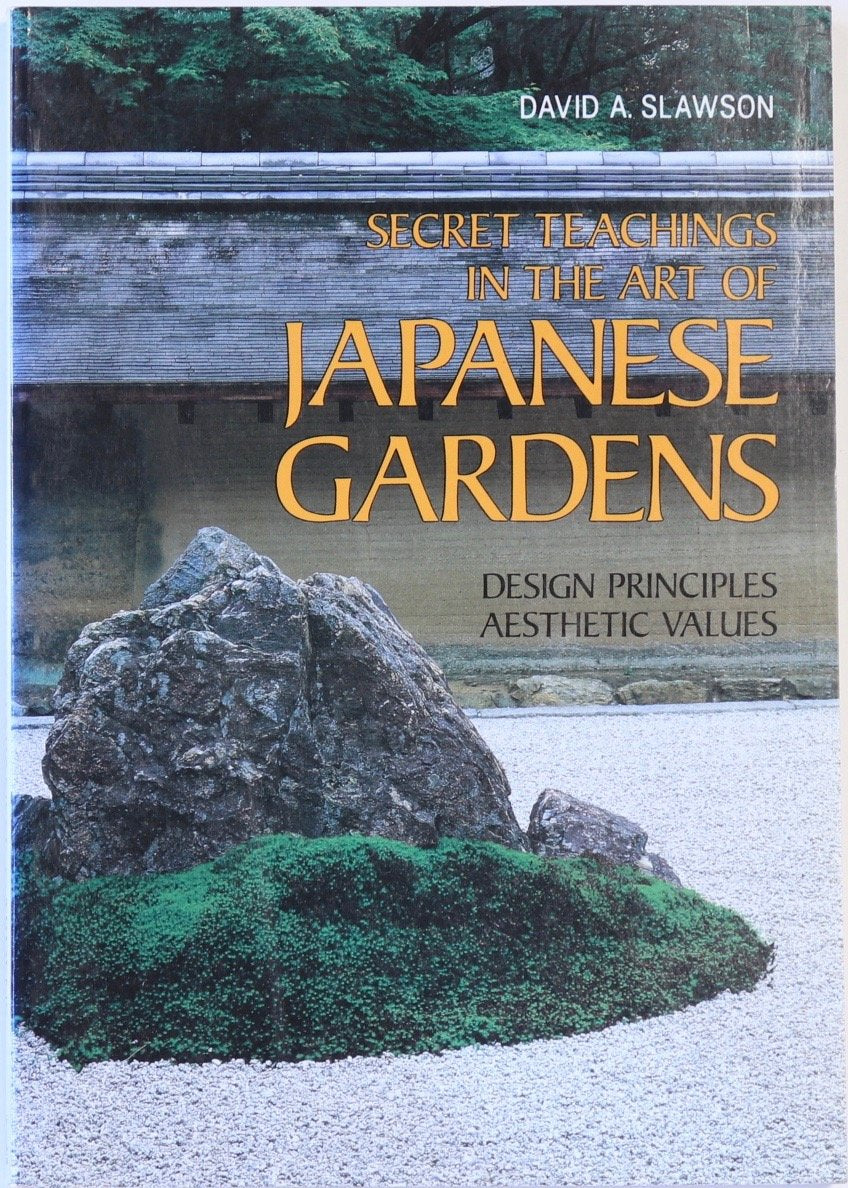
The art of the Japanese garden is a 1,500yearold landscape design tradition that is still evolving, still instructive. Secret Teachings in the Art of Japanese Gardens explains the fundamental principles of this tradition and describes how those principles may be applied to a much wider rangeof environments than exists in Japan.In the first section the author draws on his own experience as an apprentice to a master gardener in Kyoto, as well as his considerable knowledge of Japanese classical texts, to present the garden design process in terms of three primary aesthetic considerations:Scenic effectsreproductions of appealing natural landscape forms.Sensory effectsvarieties of scale, framing, rhythm, motion, and spatial quality.Cultural effectsthe incorporation of allusions to classical literature, poetry, and painting.The final section comprises a complete translation of a classic gardening manual used by Buddhist monks in medieval Japan. Its rules for planting trees and setting rocks still make good design sense today, and the author includes numerous garden descriptions as examples of how ancient masterspracticed their craft.This clear, authoritative work, fully illustrated with diagrams and photographs, elucidates much about the Japanese compositional sense. But at the same time it is a plea for a more holistic approach to landscape designa recognition that a garden should conform to certain natural principles as wellas meet the emotional needs of those who view it.
⚠️ WARNING (California Proposition 65):
This product may contain chemicals known to the State of California to cause cancer,
birth defects, or other reproductive harm.
For MAP (Minimum Advertised Price) violations and Intellectual Property (IP) or Trademark concerns, please contact:
support@ergodebooks.com
⚠️ California Proposition 65 Warning: Some products sold on this website may expose you to chemicals known to the State of California to cause cancer, birth defects, or other reproductive harm. For more information, visit www.P65Warnings.ca.gov.