
Title
Seeing Is Forgetting the Name of the Thing One Sees: Expanded Edition,Used
Sold by Ergodebooks, an authorized reseller.
Returns accepted within 30 days | support@ergodebooks.com
Shipping Information
- Free Standard Shipping — United States only
- Processing Time: 3–5 business days
- Estimated Delivery: 6–10 business days after dispatch
- Double-boxed, fully insured & discreetly packaged
- Tracking number sent via email once dispatched
Returns & Refund
Returns accepted within 30 days of delivery.
Damaged or Defective Item
Free return shipping + replacement or full refund
Wrong Item Received
Free return shipping + replacement or full refund
Change of Mind
Return shipping at customer's expense · 25% restocking fee applies
Payment Option

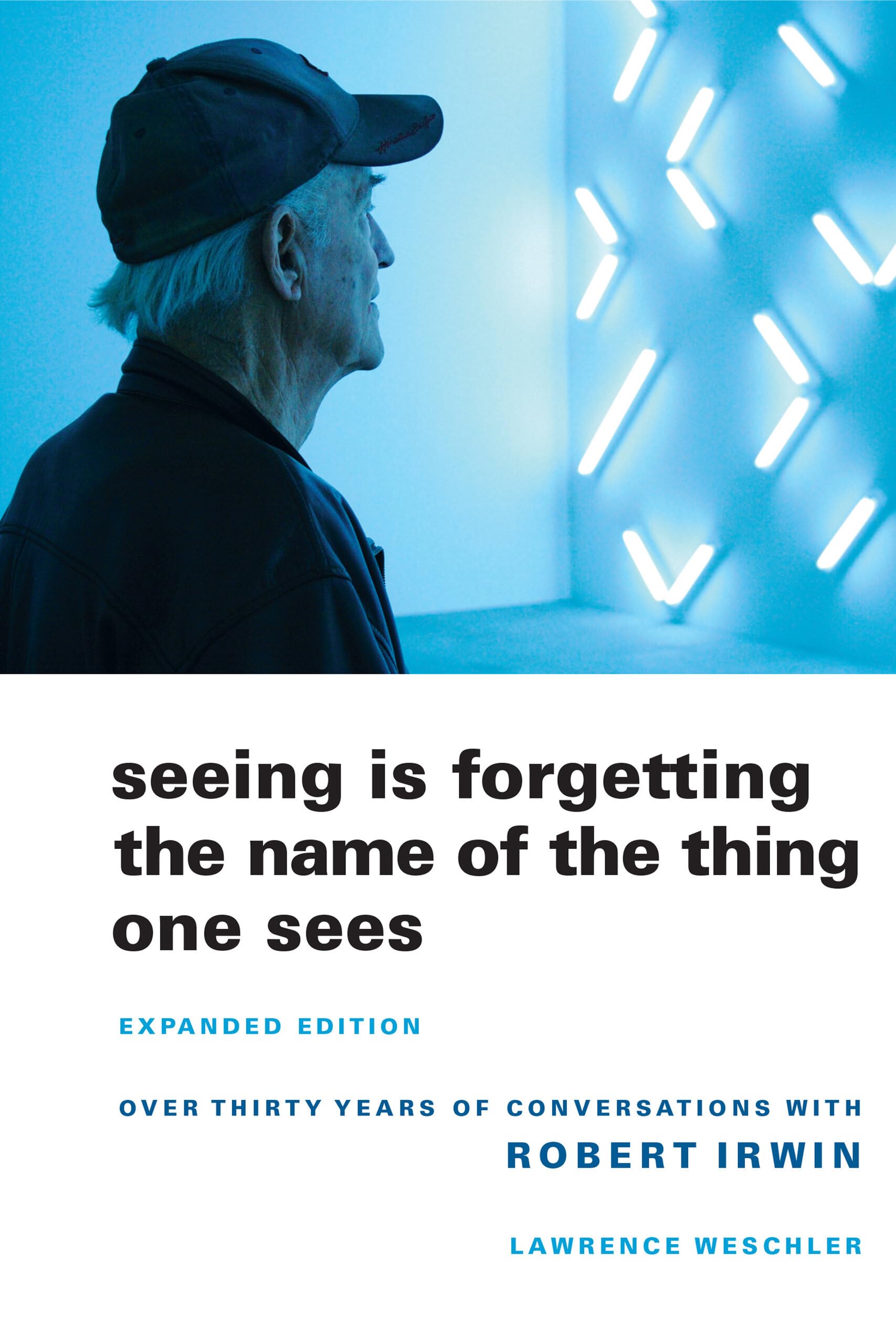
When this book first appeared in 1982, it introduced readers to Robert Irwin, the Los Angeles artist 'who one day got hooked on his own curiosity and decided to live it.' Now expanded to include six additional chapters and twentyfour pages of color plates, Seeing Is Forgetting the Name of the Thing One Sees chronicles three decades of conversation between Lawrence Weschler and light and space master Irwin. It surveys many of Irwin's siteconditioned projectsin particular the Central Gardens at the Getty Museum (the subject of an epic battle with the site's principal architect, Richard Meier) and the design that transformed an abandoned Hudson Valley factory into Dia's new Beacon campusenhancing what many had already considered the best book ever on an artist.
⚠️ WARNING (California Proposition 65):
This product may contain chemicals known to the State of California to cause cancer, birth defects, or other reproductive harm.
For more information, please visit www.P65Warnings.ca.gov.
- Q: What is the page count of the book? A: This book has three hundred thirty-six pages. It provides an in-depth exploration of Robert Irwin's artistic journey and conversations.
- Q: What are the dimensions of the book? A: The book measures six inches in length, zero point ninety-one inches in width, and eight inches in height. These dimensions make it a convenient size for reading.
- Q: What type of binding does this book have? A: This book is available in paperback binding. Paperback is lightweight and flexible, making it easy to carry around.
- Q: Who is the author of this book? A: The author is Lawrence Weschler. He is known for his insightful writing on contemporary art and culture.
- Q: What is the genre of this book? A: This book falls under the genre of Criticism. It critically examines the artistic contributions of Robert Irwin.
- Q: What is the publication date of this expanded edition? A: The expanded edition was published in two thousand twenty-three. It includes additional chapters and color plates not found in the original.
- Q: How should I read this book? A: You can read this book at your own pace. It's suitable for anyone interested in contemporary art and criticism.
- Q: Is this book suitable for beginners in art? A: Yes, this book is suitable for beginners. It offers accessible insights into Robert Irwin's work and thought processes.
- Q: What themes are explored in this book? A: The book explores themes of perception, art, and the relationship between the viewer and the artwork. It delves into Irwin's innovative projects.
- Q: How should I store this book? A: Store this book in a cool, dry place. Keeping it away from direct sunlight will help preserve its quality.
- Q: Can this book be damaged easily? A: Yes, like any paperback, it can be damaged if not handled carefully. Avoid bending the cover and keep it away from moisture.
- Q: What if the book arrives damaged? A: If the book arrives damaged, you should contact the seller for a replacement or return. It's important to resolve issues promptly.
- Q: Is there a warranty for this book? A: No, there is typically no warranty for books. However, check with the seller for their return policy.
- Q: What should I do if the pages are torn? A: If the pages are torn, contact the seller for options. They may offer a replacement or refund depending on their policy.
- Q: Is there a digital version of this book? A: Yes, there may be a digital version available. Check platforms like Kindle or the publisher's website for options.