
Title
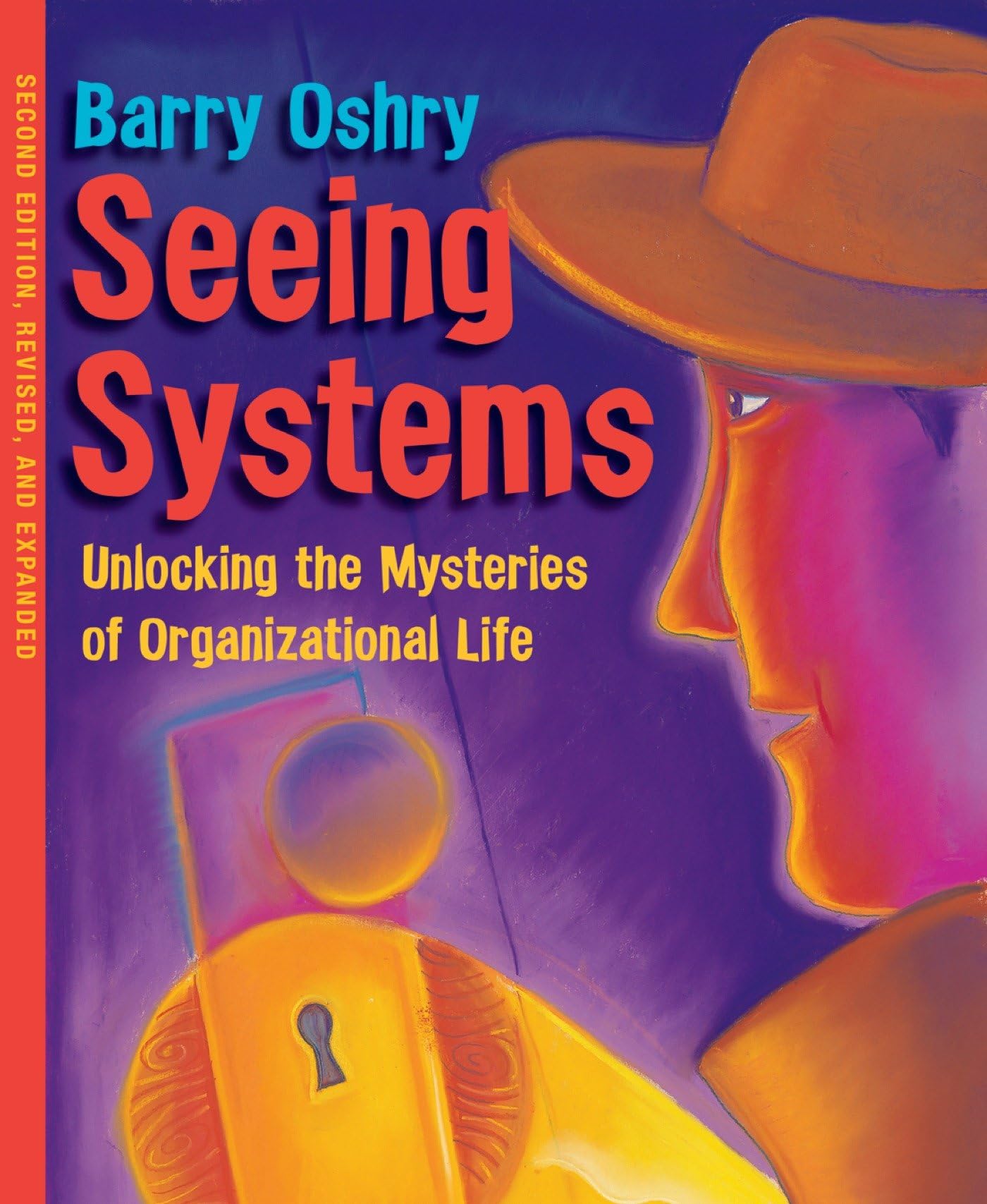
Seeing Systems: Unlocking the Mysteries of Organizational Life,Used
Sold by Ergodebooks, an authorized reseller.
Returns accepted within 30 days | support@ergodebooks.com
Shipping Information
- Free Standard Shipping — United States only
- Processing Time: 3–5 business days
- Estimated Delivery: 6–10 business days after dispatch
- Double-boxed, fully insured & discreetly packaged
- Tracking number sent via email once dispatched
Returns & Refund
Returns accepted within 30 days of delivery.
Damaged or Defective Item
Free return shipping + replacement or full refund
Wrong Item Received
Free return shipping + replacement or full refund
Change of Mind
Return shipping at customer's expense · 25% restocking fee applies
Payment Option

In this extensively revised and updated edition of his classic book, Barry Oshry shows how we can transform system blindness into system sight, enabling us to live and work together in productive partnership.Based on more than thirty years of research and packed with illustrative cases and solid systems theory on human interaction, Seeing Systems provides a penetrating look at the dynamics of systems and a unique foundation for revolutionizing our understanding of system life.This new edition features an extensive new section on having the wisdom and courage to face and work with the reality of uncertainty, and a new epilogue describing how Oshry is currently using theater, blogs, and podcasts to extend his multipronged revolution aimed at transforming system blindness into system sight.
⚠️ WARNING (California Proposition 65):
This product may contain chemicals known to the State of California to cause cancer, birth defects, or other reproductive harm.
For more information, please visit www.P65Warnings.ca.gov.
- Q: What is the page count of this book? A: The book has three hundred four pages. This length allows for an in-depth exploration of organizational dynamics.
- Q: What is the binding type of 'Seeing Systems'? A: This book is paperback bound. Paperback is lightweight and flexible, making it easy to carry and read.
- Q: What are the dimensions of 'Seeing Systems'? A: The book measures seven point thirty-eight inches in length, zero point eight inches in width, and nine inches in height. These dimensions make it a convenient size for reading.
- Q: Who is the author of 'Seeing Systems'? A: The author is Barry Oshry. He is known for his extensive research in organizational dynamics and systems theory.
- Q: What genre does 'Seeing Systems' belong to? A: The book is categorized under Workplace Culture. It explores themes related to organizational life and human interaction.
- Q: Is 'Seeing Systems' suitable for beginners? A: Yes, it is suitable for beginners. The book presents complex ideas in an accessible manner for readers new to systems theory.
- Q: How can I apply the concepts from 'Seeing Systems'? A: You can apply the concepts by reflecting on your own organizational experiences. The book offers practical insights to enhance workplace relationships.
- Q: Is this book appropriate for team discussions? A: Yes, it is appropriate for team discussions. The insights can foster dialogue on improving organizational culture and teamwork.
- Q: What is the main theme of 'Seeing Systems'? A: The main theme is transforming 'system blindness' into 'system sight.' It encourages readers to understand and navigate organizational dynamics.
- Q: How should I store 'Seeing Systems' to keep it in good condition? A: Store the book upright in a dry, cool place. Avoid exposure to direct sunlight to preserve the quality of the pages and cover.
- Q: Can I lend 'Seeing Systems' to someone? A: Yes, you can lend the book to others. Just ensure that it is returned in good condition to maintain its quality.
- Q: What should I do if 'Seeing Systems' arrives damaged? A: If it arrives damaged, contact the seller for return instructions. Most sellers have policies in place for damaged items.
- Q: Is there a warranty for 'Seeing Systems'? A: No, there is typically no warranty for books. However, check with the seller for their return and exchange policies.
- Q: Is this book suitable for academic use? A: Yes, it is suitable for academic use. Its insights are valuable for students and professionals studying organizational behavior.
- Q: What kind of illustrations are included in 'Seeing Systems'? A: The book includes illustrative cases to support its theories. These examples help clarify complex ideas about organizational dynamics.
- Q: Does 'Seeing Systems' cover current trends in organizational life? A: Yes, it includes an extensive new section on facing uncertainty. This is relevant to current trends affecting workplaces today.