
Title
Seized With The Temper Of The Times: Identity And Rebellion In Prerevolutionary America,New
Sold by Ergodebooks, an authorized reseller.
Returns accepted within 30 days | support@ergodebooks.com
Shipping Information
- Free Standard Shipping — United States only
- Processing Time: 3–5 business days
- Estimated Delivery: 6–10 business days after dispatch
- Double-boxed, fully insured & discreetly packaged
- Tracking number sent via email once dispatched
Returns & Refund
Returns accepted within 30 days of delivery.
Damaged or Defective Item
Free return shipping + replacement or full refund
Wrong Item Received
Free return shipping + replacement or full refund
Change of Mind
Return shipping at customer's expense · 25% restocking fee applies
Payment Option

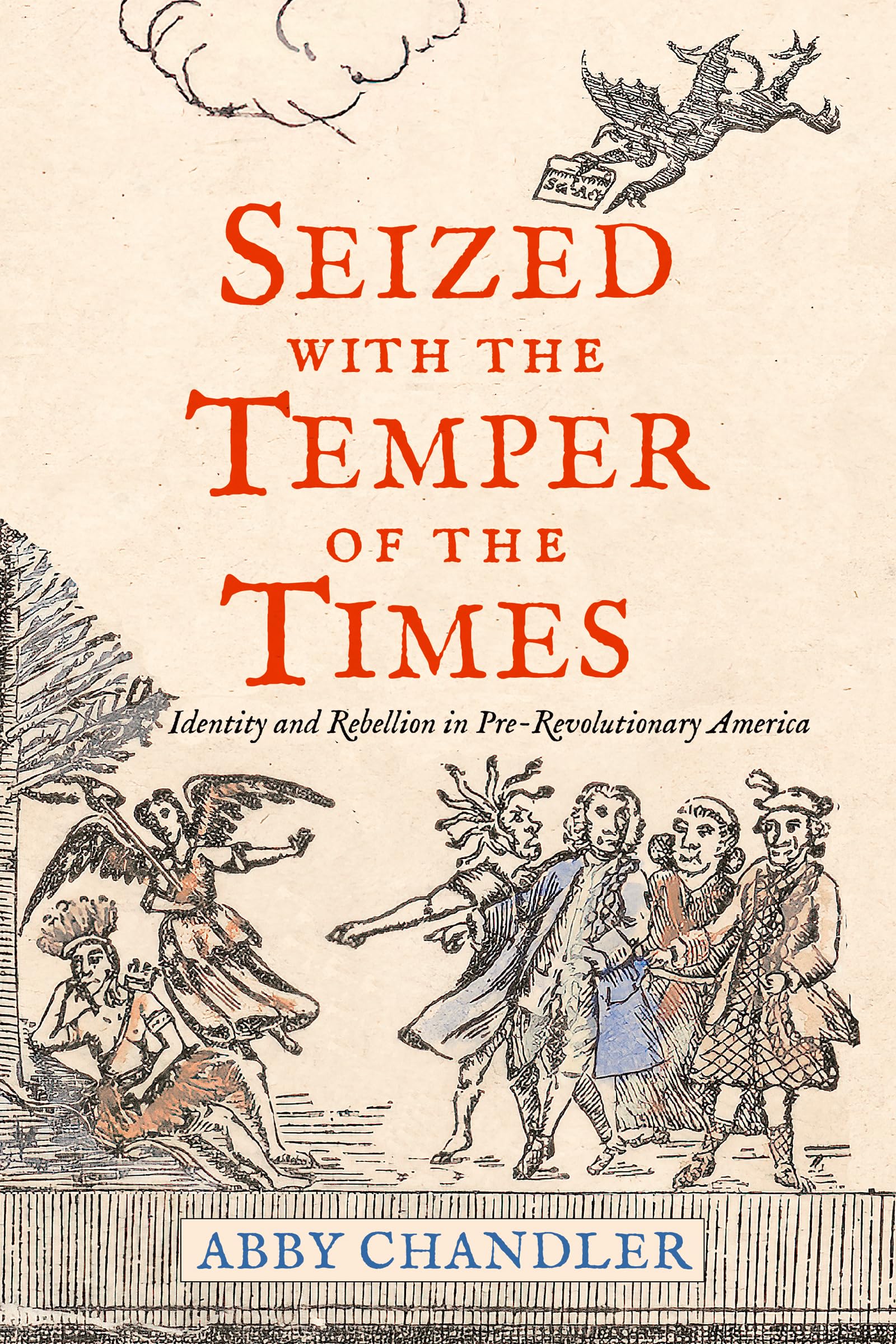
Our personal rights, comprehending those of life, liberty, and estate is every subjects birthright, whether born in Great Britain or in the colonies wrote Rhode Island lawyer and politician Martin Howard in a pamphlet defending the Stamp Act. Howards opponents drew on a similar fusion of AngloAmerican common law and political tradition to voice their own arguments against Parliamentary taxation. Still, such commonalities were not enough to save Howard during Newports Stamp Act riots when a mob destroyed his home and forced him to flee to London. Martin was later appointed North Carolinas Chief Justice, where he played an important role in another crisis, the Regulator Rebellion. The complexities and seeming contradictions that informed the writings of Martin Howard and his colonial counterparts during both the Stamp Act crisis and the Regulator Rebellion bring these understudied movements to vivid life, while also telling a broader story about the evolution of American political thought in the decades surrounding the American Revolution.In Seized with the Temper of the Times Identity and Rebellion in PreRevolutionary America, historian Abby Chandler explores, as never before, the complex local and transatlantic tensions which infused the early imperial crisis. She argues that colonial responses to the Stamp Act were rooted in local tensions and that the Regulator Rebellion was fueled by transAtlantic tensions. These two paradoxes, a local crisis cast as imperial affair and an imperial affair cast as local crisis, tell a very different story than the one to which we are accustomed. Without preexisting local tensions, the fury of the Stamp Act crisis might not have spilled over during the summer of 1765, and, without the added strains of the imperial crisis, the Regulator Rebellion might not have lasted for five years. The questions about the intersecting roles of local and imperial/federal interests and identities raised during both the Stamp Act crisis and the Regulator Rebellion would also continue to inform political thought in Rhode Island and North Carolina in the coming decades. Both colonies had long histories of challenges to their autonomy and their residents embraced the coming revolution before many of their counterparts, but they would also be reluctant participants in the rising union envisioned by the framers of the Constitution.
⚠️ WARNING (California Proposition 65):
This product may contain chemicals known to the State of California to cause cancer, birth defects, or other reproductive harm.
For more information, please visit www.P65Warnings.ca.gov.