If you have any questions, you are always welcome to contact us. We'll get back to you as soon as possible, withing 24 hours on weekdays.
Customer service
All questions about your order, return and delivery must be sent to our customer service team by e-mail at yourstore@yourdomain.com
Sale & Press
If you are interested in selling our products, need more information about our brand or wish to make a collaboration, please contact us at press@yourdomain.com
Help
If you have any questions, you are always welcome to contact us. We'll get back to you as soon as possible, withing 24 hours on weekdays.
Customer service
All questions about your order, return and delivery must be sent to our customer service team by e-mail at yourstore@yourdomain.com
Sale & Press
If you are interested in selling our products, need more information about our brand or wish to make a collaboration, please contact us at press@yourdomain.com
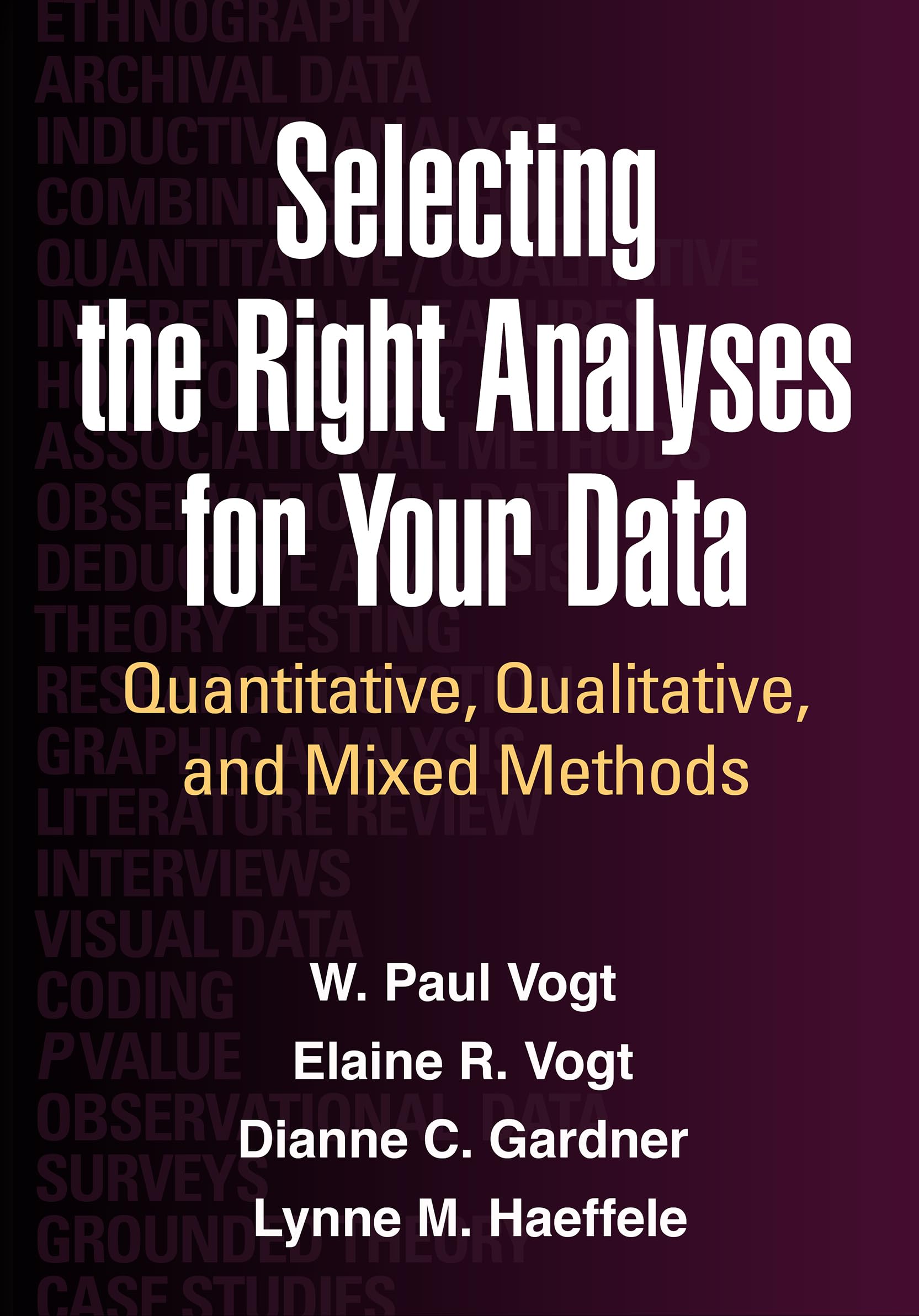
What are the most effective methods to code and analyze data for a particular study? This thoughtful and engaging book reviews the selection criteria for coding and analyzing any set of datawhether qualitative, quantitative, mixed, or visual. The authors systematically explain when to use verbal, numerical, graphic, or combined codes, and when to use qualitative, quantitative, graphic, or mixedmethods modes of analysis. Chapters on each topic are organized so that researchers can read them sequentially or can easily 'flip and find' answers to specific questions. Nontechnical discussions of cuttingedge approachesillustrated with realworld examplesemphasize how to choose (rather than how to implement) the various analyses. The book shows how using the right analysis methods leads to more justifiable conclusions and more persuasive presentations of research results.UserFriendly Features*Chapteropening preview boxes that highlight useful topics addressed.*Endofchapter summary tables recapping the 'dos and don'ts' and advantages and disadvantages of each analytic technique.*Annotated suggestions for further reading and technical resources on each topic.See also Vogt et al.'s When to Use What Research Design, which addresses the design and sampling decisions that occur prior to data collection.
⚠️ WARNING (California Proposition 65):
This product may contain chemicals known to the State of California to cause cancer,
birth defects, or other reproductive harm.
For MAP (Minimum Advertised Price) violations and Intellectual Property (IP) or Trademark concerns, please contact:
support@ergodebooks.com
⚠️ California Proposition 65 Warning: Some products sold on this website may expose you to chemicals known to the State of California to cause cancer, birth defects, or other reproductive harm. For more information, visit www.P65Warnings.ca.gov.