
Title
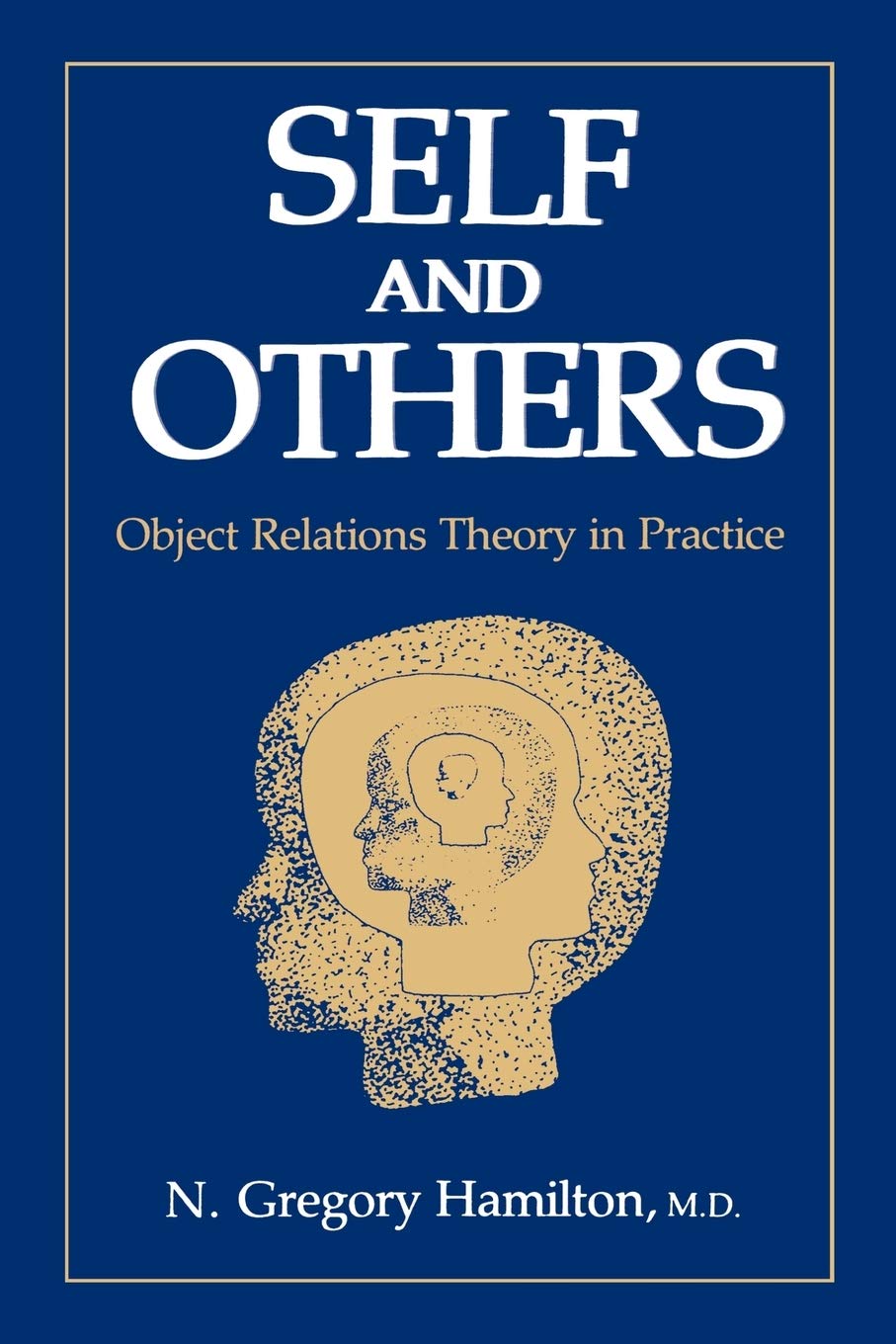
Self And Others: Object Relations Theory In Practice,New
Sold by Ergodebooks, an authorized reseller.
Returns accepted within 30 days | support@ergodebooks.com
Shipping Information
- Free Standard Shipping — United States only
- Processing Time: 3–5 business days
- Estimated Delivery: 6–10 business days after dispatch
- Double-boxed, fully insured & discreetly packaged
- Tracking number sent via email once dispatched
Returns & Refund
Returns accepted within 30 days of delivery.
Damaged or Defective Item
Free return shipping + replacement or full refund
Wrong Item Received
Free return shipping + replacement or full refund
Change of Mind
Return shipping at customer's expense · 25% restocking fee applies
Payment Option

Self And Others Is Addressed To Students And Practitioners Of Psychoanalysis And Psychoanalytic Psychotherapy. Its 19 Chapters Are Divided Into Five Evenly Balanced Parts. The First Rubric, 'Self, Others, And Ego,' Introduces Us To The Units Of The Intersubjective Constitution We Have Come To Know As Object Relations Theory. The Second Rubric, 'Developing Object Relations,' Is A Confluence Of Lessons Derived From Infant Studies And The Psychotherapeutic Process, Specifically From The Work Of Mahler And Kernberg. Third, Hamilton Integrates Into An 'Object Relations Continuum' Mahler'S Developmental Stages And Organizational Series With Nosological Entities And Levels Of Personality Organization. Under The Penultimate Rubric, 'Treatment,' Levels Of Object Relatedness And Types Of Psychopathology Are Grounded In Considerations Of Technique In Treatment, And Generous Clinical Vignettes Are Provided To Illustrate The Technical Issues Cited. Last, The Rubric Of 'Broader Contexts' Takes Object Relations Theory Out Of The Consulting Room Into Application Areas That Include Folklore, Myth, And Transformative Themes On The Self, Small And Large Groups, Applications Of Object Relations Theory Outside Psychoanalysis, And The Evolutionary History And Politics Of Object Relations Theory.This Volume Thus Presents An Integrative Theory Of Object Relations That Links Theory With Practice. But, More Than That, Hamilton Accomplishes His Objective Of Delineating An Integrative Theory That Is Quite Free Of Rivalry Between Schools Of Thought.An Indispensable Contribution To Beginning Psychoanalytic Candidates And Other Practitioners As Well As Those Who Wish To See The Application Of Object Relations Theories To Fields Outside Of Psychoanalysis.Psychoanalytic Books: A Quarterly Journal Of Reviewsa Jason Aronson Book
⚠️ WARNING (California Proposition 65):
This product may contain chemicals known to the State of California to cause cancer, birth defects, or other reproductive harm.
For more information, please visit www.P65Warnings.ca.gov.
- Q: What is the physical size of the book? A: The book measures six inches in length, zero point seventy-nine inches in width, and nine point zero two inches in height.
- Q: How many pages does this book contain? A: The book contains three hundred fifty-two pages, providing a comprehensive exploration of object relations theory.
- Q: What type of binding does this book have? A: This book is a paperback edition, making it lightweight and easy to handle.
- Q: Who is the author of 'Self and Others'? A: The author of 'Self and Others: Object Relations Theory in Practice' is N. Gregory Hamilton, a recognized figure in psychoanalysis.
- Q: What is the main subject of this book? A: This book focuses on object relations theory, a key concept in psychoanalysis and psychotherapy.
- Q: How do I read this book effectively? A: You can read this book in a sequential manner, starting from the introduction of object relations theory to its application in various fields.
- Q: Is this book suitable for beginners in psychoanalysis? A: Yes, this book is an indispensable contribution for beginning psychoanalytic candidates and practitioners, providing foundational knowledge.
- Q: What are the main topics covered in the book? A: The book covers self, others, ego, treatment techniques, and broader contexts of object relations theory.
- Q: How should I store this book to keep it in good condition? A: Store this book in a cool, dry place away from direct sunlight to prevent damage and fading.
- Q: Can I clean the cover of the book? A: Yes, you can gently wipe the cover with a dry cloth to remove dust and keep it clean.
- Q: What should I do if the book arrives damaged? A: If the book arrives damaged, you should contact the seller for return or replacement options.
- Q: Is there a warranty for this book? A: No, books typically do not come with a warranty, but you can check the return policy with the seller.
- Q: How does this book compare to other psychoanalytic texts? A: This book integrates various schools of thought without rivalry, making it a unique contribution among psychoanalytic texts.
- Q: Is this book appropriate for professional therapists? A: Yes, professional therapists can benefit from the insights and practical applications discussed in this book.
- Q: What if I have questions while reading the book? A: You can look for supplementary resources or join discussion groups on object relations theory for additional insights.
- Q: Does this book include clinical examples? A: Yes, the book includes generous clinical vignettes to illustrate technical issues in treatment.