
Title
SelfEsteem in Time and Place: How American Families Imagine, Enact, and Personalize a Cultural Ideal (Child Development in Cult,Used
Sold by Ergodebooks, an authorized reseller.
Returns accepted within 30 days | support@ergodebooks.com
Shipping Information
- Free Standard Shipping — United States only
- Processing Time: 3–5 business days
- Estimated Delivery: 6–10 business days after dispatch
- Double-boxed, fully insured & discreetly packaged
- Tracking number sent via email once dispatched
Returns & Refund
Returns accepted within 30 days of delivery.
Damaged or Defective Item
Free return shipping + replacement or full refund
Wrong Item Received
Free return shipping + replacement or full refund
Change of Mind
Return shipping at customer's expense · 25% restocking fee applies
Payment Option

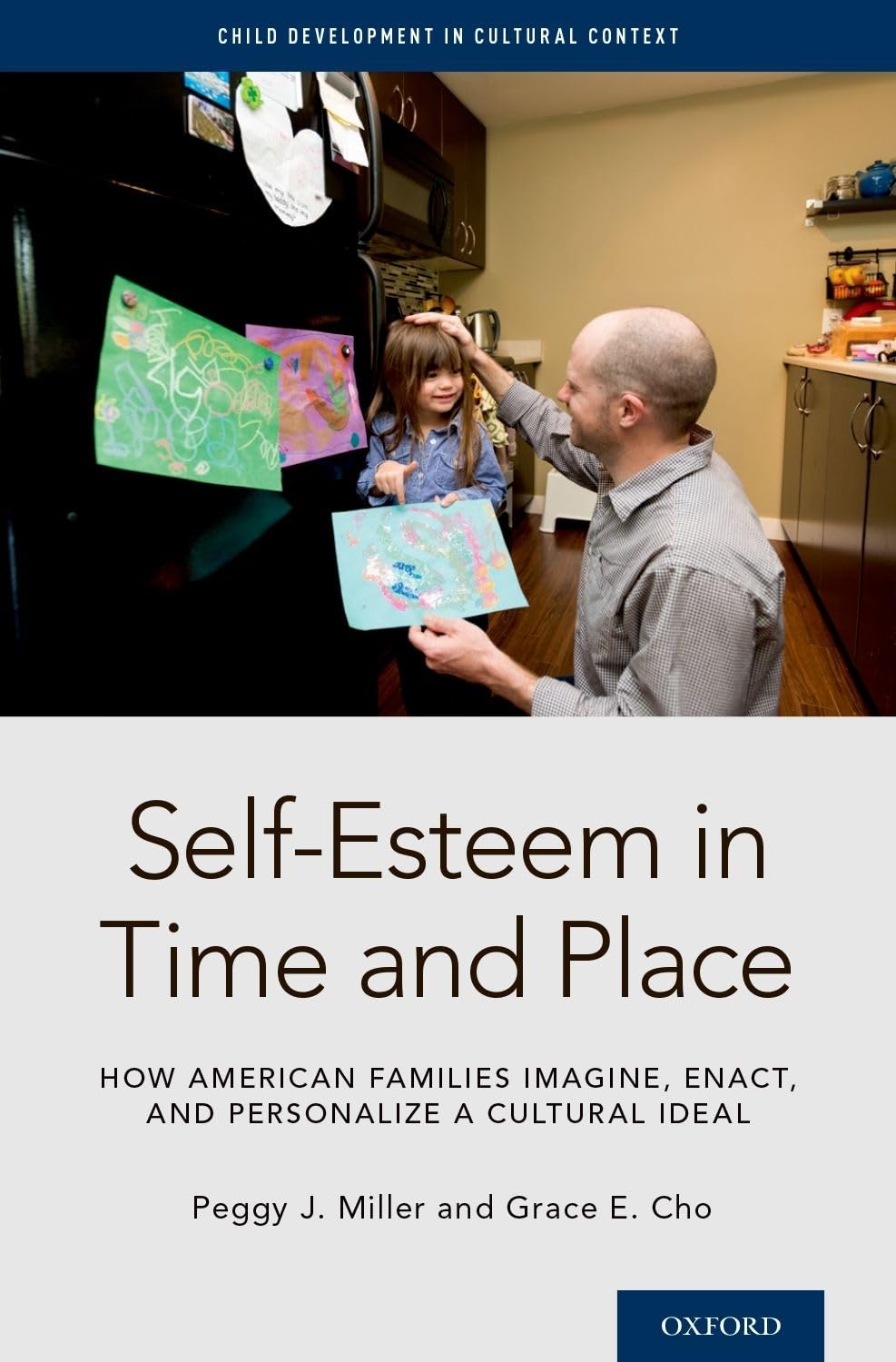
The concept of selfesteem is a fixture in the psychological and moral landscape of American society. This is especially true in the arena of childrearing: images and references to selfesteem are ubiquitous in academic, educational, and popular media. Yet, until now, little has been known about what selfesteem means to parents or how selfesteem infiltrates everyday practices.SelfEsteem in Time and Place reveals how selfesteem became a touchstone of American childrearing in the early years of the 21st century. At the heart of this book is the Millennial study, an empirical investigation of diverse families in one Midwestern town. European American, African American, middleclass, and workingclass parents of young children embraced selfesteem as a childrearing goal and believed that fostering children's selfesteem was critical to their psychological health and future success. To achieve this goal, they enacted a high maintenance style of childrearing comprised of assiduous monitoring, copious praise, and gentle discipline. These practices differed dramatically from most cultural cases in the ethnographic record. Together, parents and children created an early moment in a childaffirming developmental trajectory. Threeyearolds developed a precocious ability to praise themselves and solicit praise from others. As active participants and inventive agents, children and parents alike engaged in a process of personalization, nuancing their views in light of their social positioning and infusing normative ideas and practices with personal significance. The result is an account of unparalleled depth and nuance that situates childrearing and selfesteem in time and place, traces its roots to 19th century visionaries, and identifies the complex, multilayered contexts from which this enduring cultural ideal derives its meanings.
⚠️ WARNING (California Proposition 65):
This product may contain chemicals known to the State of California to cause cancer, birth defects, or other reproductive harm.
For more information, please visit www.P65Warnings.ca.gov.