
Title
Selfobservation In The Social Sciences,Used
Sold by Ergodebooks, an authorized reseller.
Returns accepted within 30 days | support@ergodebooks.com
Shipping Information
- Free Standard Shipping — United States only
- Processing Time: 3–5 business days
- Estimated Delivery: 6–10 business days after dispatch
- Double-boxed, fully insured & discreetly packaged
- Tracking number sent via email once dispatched
Returns & Refund
Returns accepted within 30 days of delivery.
Damaged or Defective Item
Free return shipping + replacement or full refund
Wrong Item Received
Free return shipping + replacement or full refund
Change of Mind
Return shipping at customer's expense · 25% restocking fee applies
Payment Option

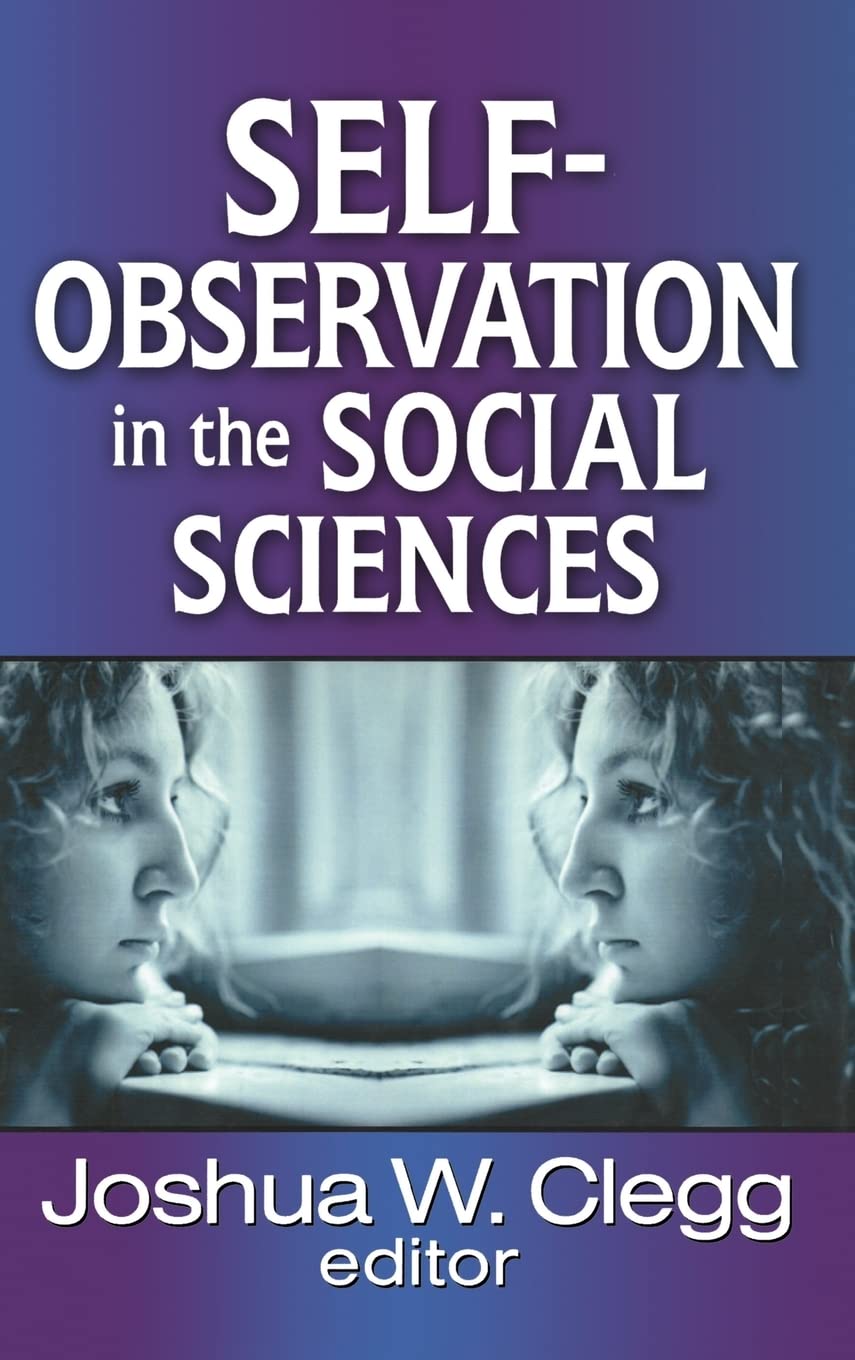
Notwithstanding the mythical demise of 'introspection,' selfobservation has always been an integral aspect of the social sciences. In the century following the 'behavioral revolution,' psychology has seen a reduction not so much in the frequency as in the rigor with which selfobservation is practiced. A great deal of selfobservation has been renamed or obscured (as, for example, 'selfreport'), but this has served only to defer and impoverish important theoretical and technical work.This volume, which contributes to the development of a rigorous theory of selfobservation, is organized around three general objectives: to reanimate a discourse on selfobservation through a historical analysis of various selfobservation traditions; to outline and begin to address some of the unique theoretical challenges of selfobservation; and to elaborate some of the technical and practical details necessary for realizing a program of research dedicated to selfobservation.In the first section of the book, three historians of psychology trace the evolution of selfobservation. In the second, three scholars who are currently working in contemporary traditions of selfobservation discuss the basic theoretical and practical challenges involved in conducting selfobservation research. In the final two sections of the book, scholars from the phenomenological and narrative traditions trace the history, theory, and practice of selfobservation in their respective traditions. SelfObservation in the Social Sciences continues the fine tradition set by Transaction's History and Theory of Psychology series edited by Jaan Valsiner. It is of interest to psychologists and to those who study methodology within the social sciences.
⚠️ WARNING (California Proposition 65):
This product may contain chemicals known to the State of California to cause cancer, birth defects, or other reproductive harm.
For more information, please visit www.P65Warnings.ca.gov.