
Title
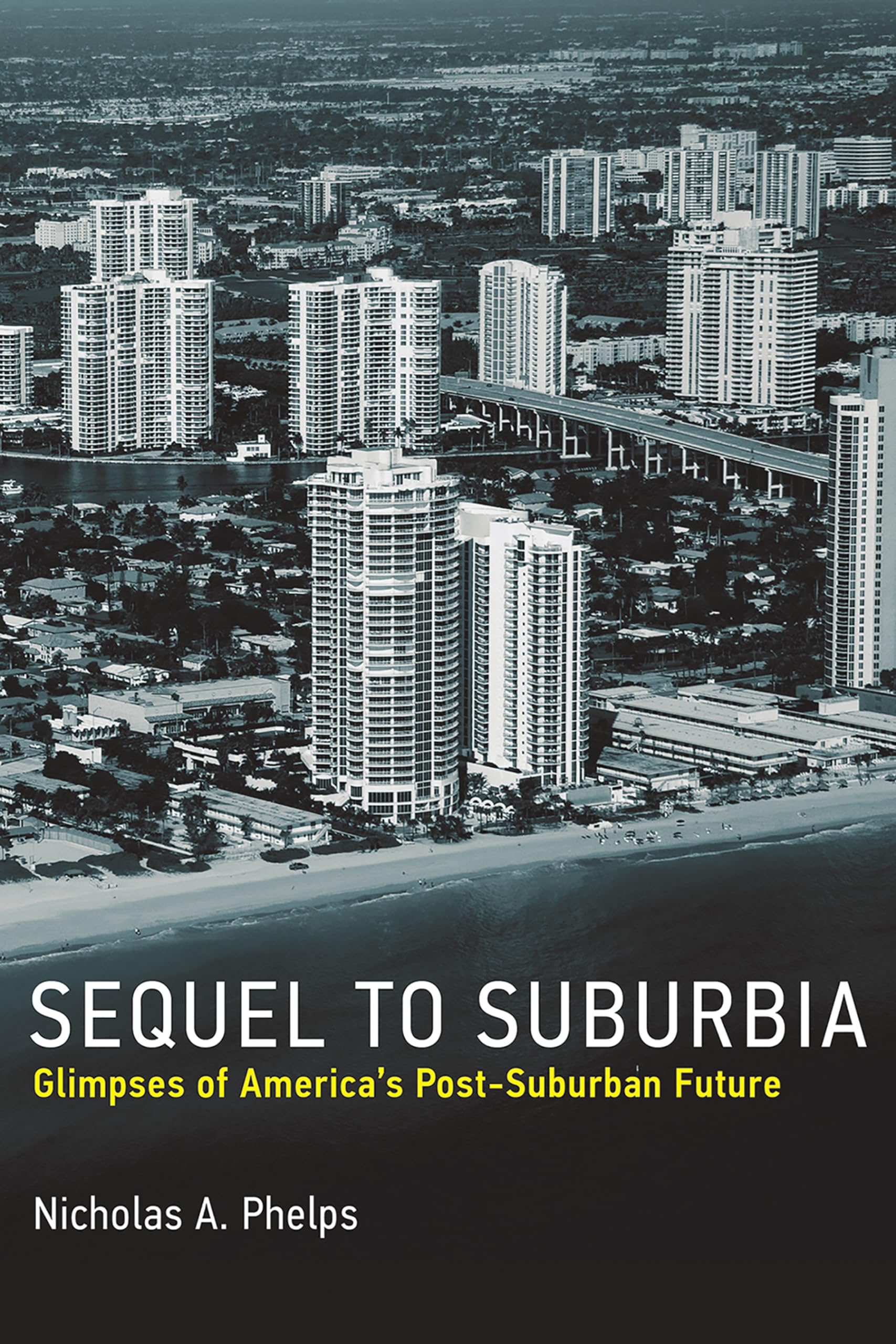
Sequel to Suburbia: Glimpses of America's Postsuburban Future (Urban and Industrial Environments),Used
Sold by Ergodebooks, an authorized reseller.
Returns accepted within 30 days | support@ergodebooks.com
Shipping Information
- Free Standard Shipping — United States only
- Processing Time: 3–5 business days
- Estimated Delivery: 6–10 business days after dispatch
- Double-boxed, fully insured & discreetly packaged
- Tracking number sent via email once dispatched
Returns & Refund
Returns accepted within 30 days of delivery.
Damaged or Defective Item
Free return shipping + replacement or full refund
Wrong Item Received
Free return shipping + replacement or full refund
Change of Mind
Return shipping at customer's expense · 25% restocking fee applies
Payment Option

How the decentralized, automobileoriented, and fuelconsuming model of American suburban development might change.In the years after World War II, a distinctly American model for suburban development emerged. The expansive rings of outer suburbs that formed around major cities were decentralized and automobile oriented, an embodiment of America's postwar massproduction, massconsumption economy. But alternate models for suburbia, including transitoriented development, smart growth, and New Urbanism, have inspired critiques of suburbanization and experiments in postsuburban ways of living. In Sequel to Suburbia, Nicholas Phelps considers the possible postsuburban future, offering historical and theoretical context as well as case studies of transforming communities.Phelps first locates these outer suburban rings within wider metropolitan spaces, describes the suburbs as a spatial fix for the postwar capitalist economy, and examines the political and governmental obstacles to reworking suburban space. He then presents three glimpses of postsuburban America, looking at KendallDadeland (in MiamiDade County, Florida), Tysons Corner (in Fairfax County, Virginia), and Schaumburg, Illinois (near Chicago). He shows KendallDadeland to be an isolated New Urbanism success; describes the replanning of Tysons Corner to include a retrofitted central downtown area; and examines Schaumburg's position as a regional capital for Chicago's northwest suburbs. As these cases show, the reworking of suburban space and the accompanying political process will not be left to a small group of architects, planners, and politicians. Postsuburban politics will have to command the approval of the residents of suburbia.
⚠️ WARNING (California Proposition 65):
This product may contain chemicals known to the State of California to cause cancer, birth defects, or other reproductive harm.
For more information, please visit www.P65Warnings.ca.gov.