
Title
Serving Two Masters: The Development of American Military Chaplaincy, 18601920,New
Sold by Ergodebooks, an authorized reseller.
Returns accepted within 30 days | support@ergodebooks.com
Shipping Information
- Free Standard Shipping — United States only
- Processing Time: 3–5 business days
- Estimated Delivery: 6–10 business days after dispatch
- Double-boxed, fully insured & discreetly packaged
- Tracking number sent via email once dispatched
Returns & Refund
Returns accepted within 30 days of delivery.
Damaged or Defective Item
Free return shipping + replacement or full refund
Wrong Item Received
Free return shipping + replacement or full refund
Change of Mind
Return shipping at customer's expense · 25% restocking fee applies
Payment Option

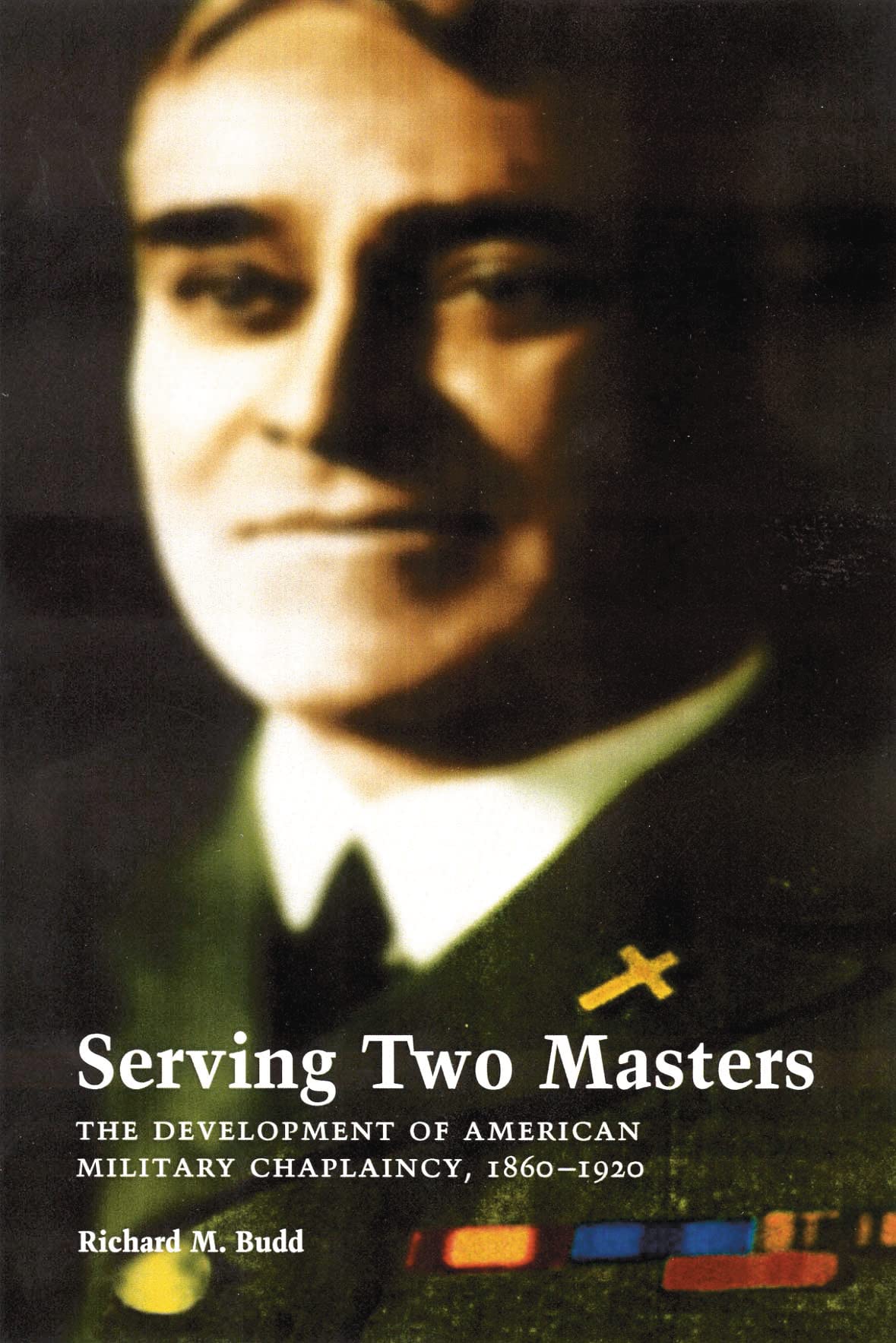
Chaplain Richard M. Budd has made a welcome, concise, well written and researched contribution to an overlooked chapter in chaplain history. Anyone interested in gaining a better understanding of how the professional and fully institutionalized chaplaincy of today's military came about would do well by consulting Budd's book.' Bradley L. Carter, On Point.Military chaplains have a long and distinguished tradition in the United States, but historians have typically ignored their vital role in ministering to the needs of soldiers and sailors. Richard M. Budd corrects this omission with a thoughtful history of the chaplains who sought to create a viable institutional structure for themselves within the U.S. Army and Navy that would best enable them to minister to the fighting men.Despite the chaplaincy's long history of accompanying American armies into battle, there has never been consensus on its role within the military, among the churches, or even among chaplains themselves. Each of these constituencies has had its own vision for chaplains, and these ideas have evolved with changing social conditions and military growth. Moreover, chaplains, acting as members of one profession operating within the specific environment of another, raised questions of whether they could or should integrate themselves into the military. In effect they had to learn to serve two institutional masters, the church and the government, simultaneously.Budd provides a history of the struggle of chaplains to professionalize their ranks and to obtain a significant measure of autonomy within the military's bureaucratic structurealways with the ultimate goal of more efficiently bringing their spiritual message to the troops.
⚠️ WARNING (California Proposition 65):
This product may contain chemicals known to the State of California to cause cancer, birth defects, or other reproductive harm.
For more information, please visit www.P65Warnings.ca.gov.