
Title
Seven Victorian Architects: Introduction by Nikolaus Pevsner,Used
Sold by Ergodebooks, an authorized reseller.
Returns accepted within 30 days | support@ergodebooks.com
Shipping Information
- Free Standard Shipping — United States only
- Processing Time: 3–5 business days
- Estimated Delivery: 6–10 business days after dispatch
- Double-boxed, fully insured & discreetly packaged
- Tracking number sent via email once dispatched
Returns & Refund
Returns accepted within 30 days of delivery.
Damaged or Defective Item
Free return shipping + replacement or full refund
Wrong Item Received
Free return shipping + replacement or full refund
Change of Mind
Return shipping at customer's expense · 25% restocking fee applies
Payment Option

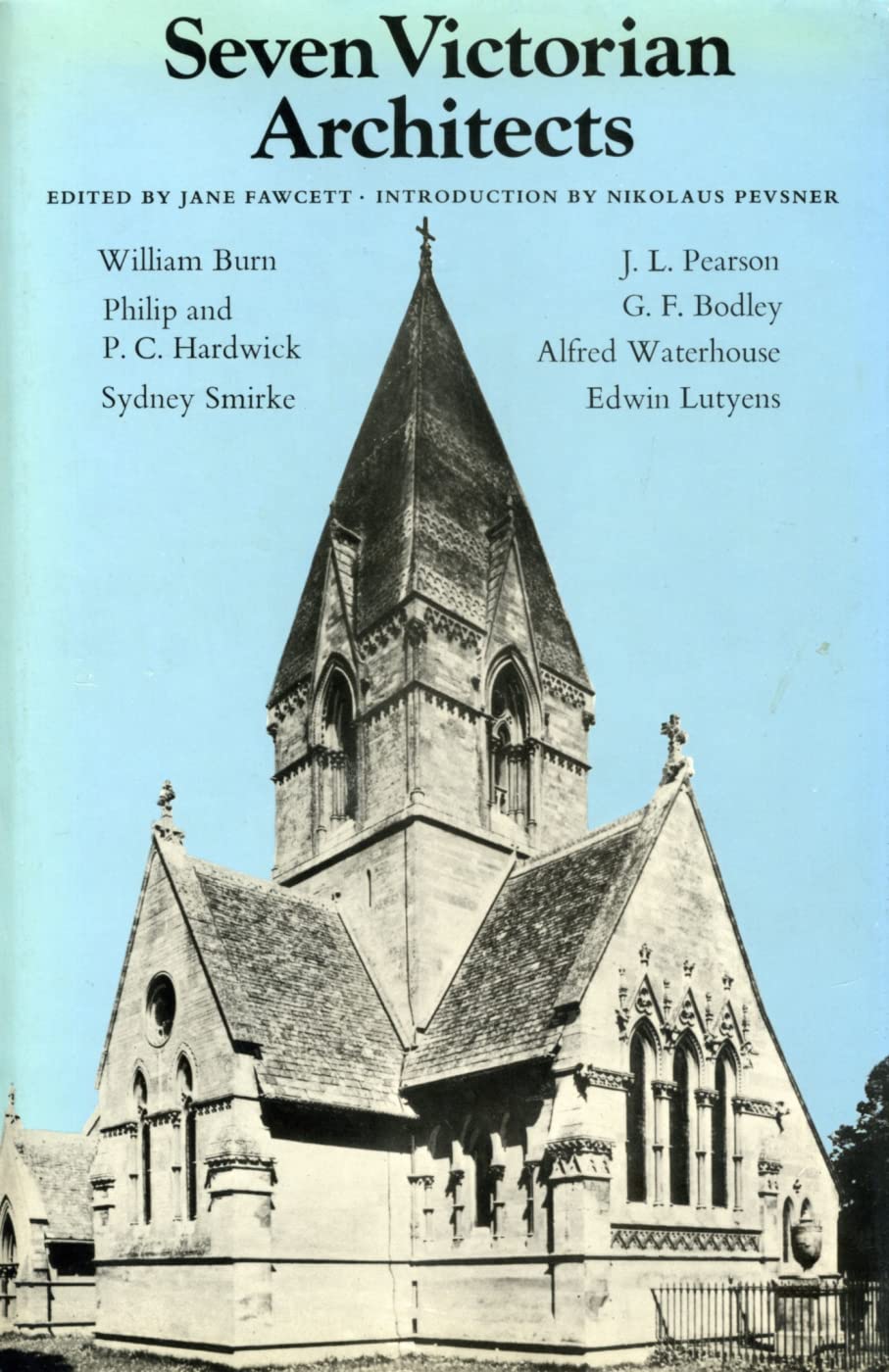
Historicism, a reliance on inspiration by styles of the past, was the dominant aspect of Victorian architecture. The individual architect's response to earlier styles, however, varied widely, and one of the hallmarks of a creative career was the architect's handling of his chosen precedents. This study presents the largely unpublished work of seven English architects, tracing influences on their individual styles, and provides a cross section of some of the most characteristic themes and qualities of Victorian architecture. The seven architects included are William Burn, Philip and P.C. Hardwick, Sydney Smirke, J.I. Pearson, G.F. Bodley, Alfred Waterhouse, and Edwin Lutyens. Social, technological, and functional aspects of architecture during this period are explored from several viewpoints in the works of these individual practitioners. In addition to the expected country houses and churches, other building types included are railway terminals, libraries, docks, shopping areas, museums, hospitals, and workingclass housing.
⚠️ WARNING (California Proposition 65):
This product may contain chemicals known to the State of California to cause cancer, birth defects, or other reproductive harm.
For more information, please visit www.P65Warnings.ca.gov.
- Q: How many pages does this book have? A: This book has one hundred sixty-five pages. It offers a comprehensive exploration of Victorian architecture through the works of seven architects.
- Q: What are the dimensions of this book? A: The dimensions of this book are six point two six inches in length, zero point seven one inches in width, and nine point four nine inches in height. These sizes make it a suitable addition to any bookshelf.
- Q: What type of binding does this book have? A: This book is hardcover bound. Hardcover books are known for their durability and longevity, making them ideal for reference.
- Q: Who is the author of this book? A: The author of this book is Jane Fawcett. She provides insightful analysis and commentary on the architects featured.
- Q: What is the main theme of the book? A: The main theme of the book is Victorian architecture and its historical influences. It examines how different architects interpreted past styles.
- Q: Is this book suitable for beginners? A: Yes, this book is suitable for beginners. It presents architectural concepts in an accessible manner, making it easy for newcomers to understand.
- Q: What kind of architecture does this book cover? A: This book covers Victorian architecture, focusing on various building types like country houses, churches, and railway terminals. It highlights the diversity within the Victorian style.
- Q: How can I use this book for research? A: You can use this book as a reference for studying Victorian architecture. It includes detailed analyses of individual architects and their influences.
- Q: Is there a specific audience for this book? A: Yes, the book targets architecture enthusiasts and students. It provides detailed insights that cater to both casual readers and serious scholars.
- Q: How do I care for this hardcover book? A: To care for this hardcover book, store it upright and keep it away from direct sunlight. This will preserve the binding and cover.
- Q: Can I clean the book if it gets dirty? A: Yes, you can clean the book by gently wiping the cover with a soft, dry cloth. Avoid using water or cleaning solutions, which could damage it.
- Q: What should I do if the book arrives damaged? A: If the book arrives damaged, contact the seller for a return or exchange. Most sellers have policies in place to handle such situations.
- Q: How should I store this book? A: You should store this book in a cool, dry place away from humidity. Proper storage will help maintain its condition over time.
- Q: Is this book a good choice for architecture students? A: Yes, this book is an excellent choice for architecture students. It offers a thorough exploration of themes relevant to architectural studies.
- Q: What other topics does the book explore? A: The book explores social, technological, and functional aspects of architecture during the Victorian era. It provides a comprehensive look at the era's architectural developments.
- Q: Will this book provide insights into modern architecture? A: Yes, while it focuses on Victorian architecture, the insights may help understand the evolution of architectural styles leading to modern architecture.