
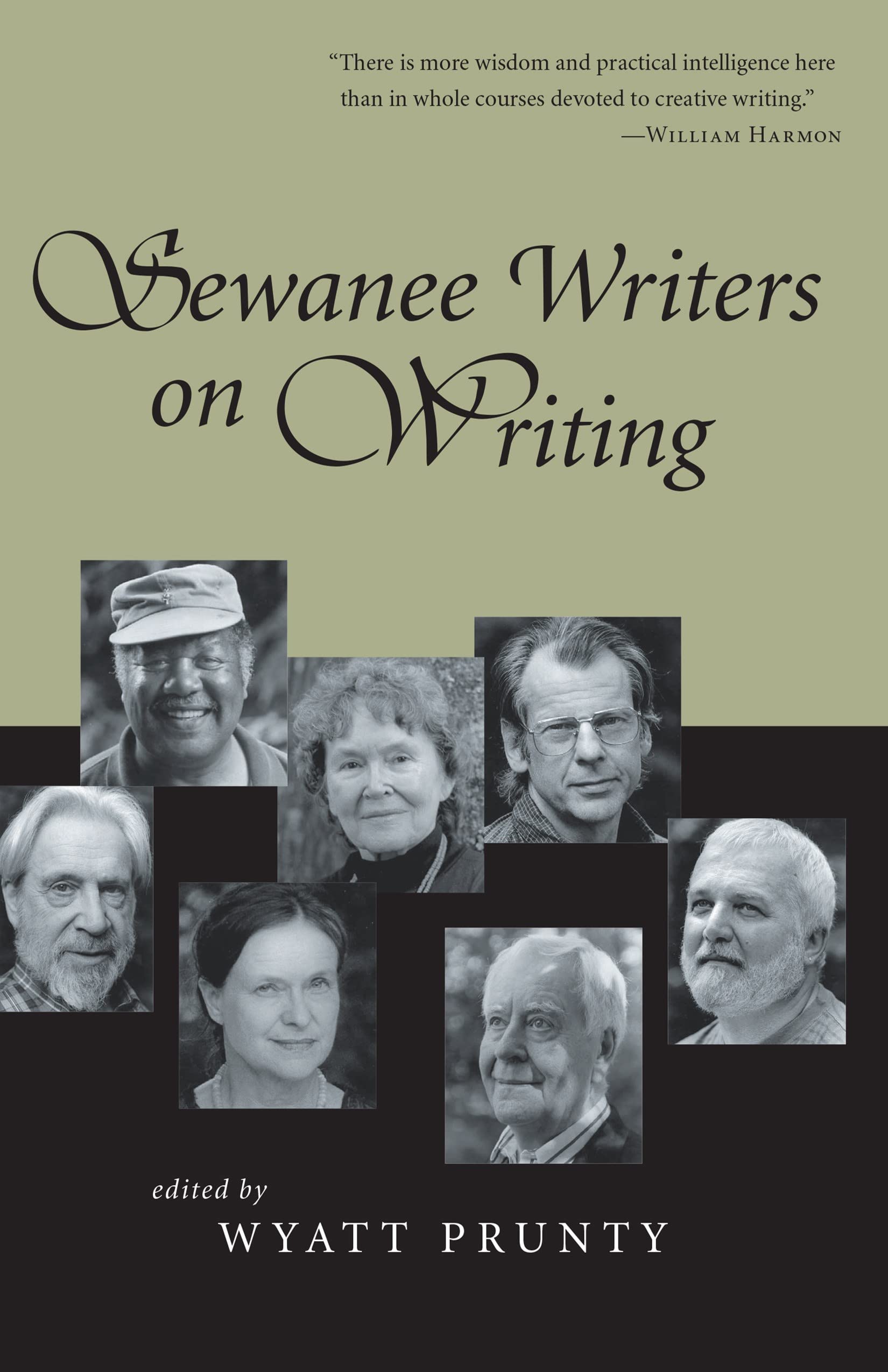
Title
Sewanee Writers On Writing (Southern Literary Studies),Used
Sold by Ergodebooks, an authorized reseller.
Returns accepted within 30 days | support@ergodebooks.com
Shipping Information
- Free Standard Shipping — United States only
- Processing Time: 3–5 business days
- Estimated Delivery: 6–10 business days after dispatch
- Double-boxed, fully insured & discreetly packaged
- Tracking number sent via email once dispatched
Returns & Refund
Returns accepted within 30 days of delivery.
Damaged or Defective Item
Free return shipping + replacement or full refund
Wrong Item Received
Free return shipping + replacement or full refund
Change of Mind
Return shipping at customer's expense · 25% restocking fee applies
Payment Option

For two weeks every year, literary figures from throughout the country gather in rural Sewanee, Tennessee, to lead the Sewanee Writers Conference, a series of workshops and colloquia aimed at cultivating the craft of writing. Gleaned from the first ten conferences, the craft lectures collected in Sewanee Writers on Writing offer a range of perspectives on writing as practiced by various playwrights, poets, and fiction writers whose gifts have made the Sewanee conference a mecca for developing talent.The essays offer a banquet of topics that will whet the appetite of all authors, professional and amateur. Russell Banks ponders the role of research in the constitutive power of the imagination, John Casey considers simultaneity in art, and Ellen Douglas describes how a writer confronts the changing shape of memory.Reviewing the many changes he has witnessed in his distinguished career as a playwright, Horton Foote offers his perspective on the collaborative spirit of the theater, and Ernest Gaines explains why his subject matter must always remain the people of Louisiana. Anthony Hecht responds to W. H. Auden, revealing the ways both poets pair talent with subject, and in a discussion of Robert Frost, John Hollander explores the delicate subtleties of Frosts figurative thought.Diane Johnson offers a witty and frank answer to the question all writers face at one time or another: Write what? Donald Justice expounds on the virtues of obscurity in poetry, and Romulus Linney offers practical guidelines for using dramatic action to revise a play. In her examination of Nabokov's Bend Sinister, Alice McDermott demonstrates that fiction writers are bound by no rules other than do whatever you can get away with. Marsha Norman provides a witty list of the dos and don'ts of playwriting and Francine Prose stresses the importance of detail to a storys credibility. Finally, volume editor Wyatt Prunty discusses the figure of vacancy in the stories of Flannery OConnor and Peter Taylor.
⚠️ WARNING (California Proposition 65):
This product may contain chemicals known to the State of California to cause cancer, birth defects, or other reproductive harm.
For more information, please visit www.P65Warnings.ca.gov.